

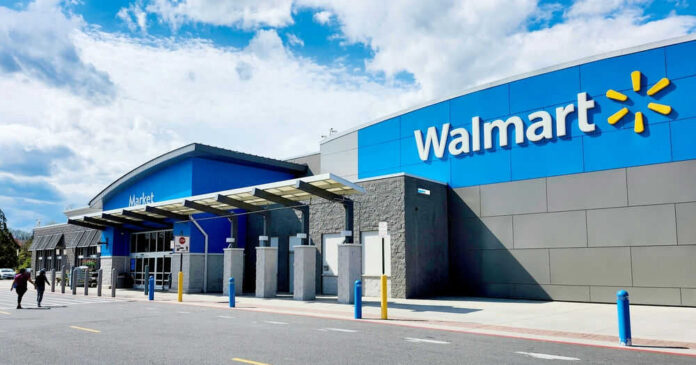
When the apps blinked and planes paused, Walmart’s water and propane flew off shelves.
At a Glance
- Walmart says shoppers bought more bottled water, propane, camping gear, and staples after tech outages.
- Walmart’s finance chief said sales in these categories were higher, but not extreme.
- Analysts and other outlets saw similar “pantry loading” across big-box rivals.
- Short bursts of preparedness buying often follow shocks, then cool fast.
What Walmart Saw And Said, Plain And Simple
Walmart reported a jump in emergency-ready items after a string of technology disruptions rocked daily life. A company spokesperson said shoppers were stocking up on bottled water, propane, and camping gear. Staples like soup and other shelf-stable foods also moved faster than usual. Major outlets shared these comments, citing the company directly and offering a clear window into how households reacted when screens froze and systems glitched.
Chief Financial Officer John David Rainey added a key qualifier. He said Walmart had seen “a small amount” of this behavior, and called out jugged water and propane as standouts. His point suggests a real but measured change in demand rather than a frenzy. That lines up with common sense: when payments stall, or flights stop, people don’t wait for a memo. They add basic insurance they can store at home and get on with life.
The Outages That Nudged People To Prepare
The buying burst followed a busy week of failures across airlines, banking, and large technology platforms. Media reports described how the outages piled u,upleleavingonsumers unsure which systems would fail next. That uncertainty drove some to pick up backup power, water, and food, plus basic camping gear that doubles as home resilience. Research firms and retail watchers reported these patterns across several chains, not just one store or region.
Conservative instincts read this as prudence, not panic. Families took small, practical steps to guard their needs. Water is non-negotiable. Propane runs grills and heaters. Soup and shelf-stable foods bridge short service gaps. These are not luxury choices. They are low-cost ways to ride out brief shocks without leaning on a fragile supply chain. Households acted as first responders for themselves, which is how resilience should start.
Short Spikes, Not A New Normal
Analysts who track shopping behavior often see spikes like this fade within days. People top off their pantry and call it good. The Walmart team’s “small amount” framing supports that read. Demand rose, but not in a way that broke stores or hinted at sustained hoarding. That matters for planning. Retailers can absorb a blip in water and propane. They start sweating only when the surge spreads to fuel, medicine, and core groceries for weeks on end.
Walmart Reports Jump in Sales of Soup, Water, and Food as Tech Outages Trigger Panic Buying ~ https://t.co/nAam1Cbvkt
— MikeKirby (@mikekirbyone) November 22, 2026
Media accounts showed the same arc at other big-box chains. Shoppers grabbed generators and emergency kits, then activity cooled as systems came back online. This follow-the-shock pattern has a long track record. Households react to visible trouble, add a few durable goods, and move on. That cycle can be healthy. It refreshes home kits and pushes families to think through real risks, not doom scrolls. It also reminds leaders to keep core infrastructure sober and simple.
What This Signals For Households And Retailers
Households signaled that trust has limits. They will not outsource everything to the cloud or the grid. A few gallons of water and a backup fuel source are cheap insurance. That is not fear. That is adulthood. Retailers should take the hint and keep emergency aisles clear, pricing fair, and staff ready to manage quick surges without drama. Clear signs and tight end-cap displays can move volume fast while keeping order. Calm beats hype every time.
Policy makers and utilities should treat this as a dress rehearsal. Outages will happen. When they do, clear, steady communication keeps people from overbuying. Straight answers build confidence that services will come back. That is how to align common sense at home with steady hands in charge. Walmart’s data point is a small story with a big lesson: when complex systems wobble, simple preparedness carries the day.
Sources:
foxbusiness.com, finance.yahoo.com, cbsnews.com