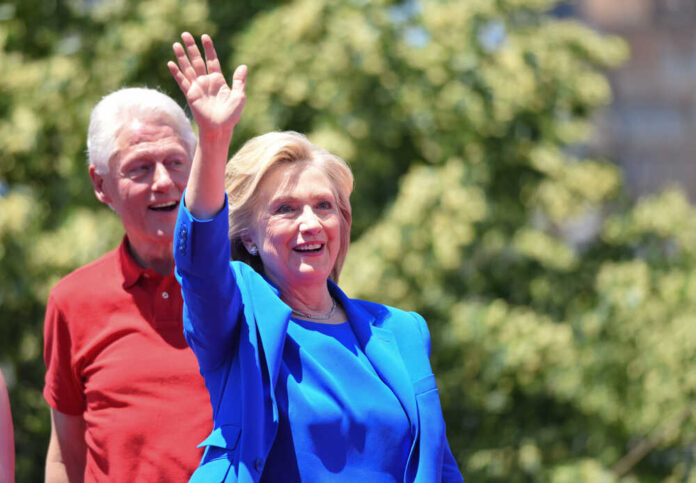
Hillary Clinton opened the 2026 midterms by backing Minnesota’s Peggy Flanagan for the United States Senate, and she did it with a direct ask to voters.
Story Snapshot
- Clinton issued her first 2026 congressional endorsement for Peggy Flanagan in Minnesota’s Senate race.
- She praised Flanagan’s record on children and families and urged Minnesotans to elect her.
- Flanagan welcomed the endorsement and tied it to a shared focus on families.
- Major outlets reported the endorsement on the same day with consistent details.
Clinton’s First Midterm Pick Lands In Minnesota
Hillary Clinton endorsed Minnesota Lieutenant Governor Peggy Flanagan for the United States Senate and framed it as her first House or Senate endorsement of the 2026 cycle. She posted a clear appeal: Minnesota voters should choose Flanagan as their next senator. Clinton highlighted Flanagan’s path “from the Children’s Defense Fund to the Lieutenant Governor’s office” and said she had delivered for children and families. This was not a tease. It was a formal, public entry into the 2026 endorsement season.
Clinton’s message carried two parts: biography and marching orders. The biography linked Flanagan’s early work for children with her executive role in Saint Paul. The marching orders told Minnesotans to “please take” the chance to send her to the Senate. That framing tells donors and activists where to look next. It also tells party insiders which races may draw national help. First endorsements signal priority, not just preference.
Why This Endorsement Matters In A Crowded Cycle
First endorsements set tone and tempo. They show where a party heavyweight wants to spend attention now, before late money floods in. Research on political signaling finds endorsements rarely flip broad electorates, but they do shape media oxygen, donor focus, and activist energy. That is the practical effect here. A Clinton nod guarantees more cameras, more inbox buzz, and likely a quicker path to small-dollar momentum for Flanagan. That can help define the race’s frame early.
Endorsements also work as shortcuts for busy voters. Many people decide whom to trust before they decide what to think about a race. Source credibility often boosts message impact, even when the message is simple. Clinton’s brand tells loyal Democrats that Flanagan is a safe and serious pick. That cue can narrow the search for undecided primary voters and harden support among party regulars. Newsrooms tend to dramatize the effect on votes, but the biggest shift is often in attention, not persuasion.
Flanagan’s Response And The Stakes Ahead
Peggy Flanagan acknowledged the endorsement and linked it to a decades-long fight for families, placing her work in the same lane Clinton praised. That reply kept the focus on competence and care for children, which fits a general election message in Minnesota. The race now gains a clear narrative: experience with children’s policy, executive leadership, and a national validator behind it. That story will drive bookings, debates about records, and who defines “results” first.
CLINTON ENDORSEMENT: Former Secretary of State Hillary Clinton has made her first congressional endorsement of the 2026 election cycle, backing Minnesota Lt. Gov. Peggy Flanagan for Senate. pic.twitter.com/lerzcCmDj1
— Pascalsmc (@Pascalsmc) October 8, 2026
Republicans will likely frame the move as national Democrats meddling, because that line rallies their base. Voters should sort the noise by asking a simple question: did the endorser point to specific work or only vibes? Clinton cited concrete milestones in Flanagan’s public service. That aligns with common-sense judging: reward clear records over slogans. One small caveat exists in reports about whether the post landed Tuesday or Wednesday, but all agree on the substance and sequence: Clinton endorsed Flanagan first in 2026.
How To Read The Signal Without The Hype
Three filters help. First, timing: early endorsements matter most for setting the field and drawing money. That box is checked here. Second, content: specificity beats platitudes, and this message cited work with children and service in statewide office. Third, amplification: synchronized coverage across outlets raises reach and keeps the story in feeds beyond a day. Expect a fundraising bump, sharper contrasts in policy rollouts, and more national surrogates testing messages in Minnesota.
Voters do not need to love endorsements to use them. Treat them like mile markers. They show where campaigns think momentum can rise fast. If you prefer limited government and fiscal sanity, watch whether the endorsement drives policy detail or only culture-war clips. If you prize social safety nets and local results, watch whether it spurs concrete plans for families. Either way, the 2026 midterms just got a map pin in Minnesota. The next pins will tell you where the fight shifts next.
Sources:
thehill.com, washingtonsun.com, huffpost.com, x.com, peggyflanagan.com