

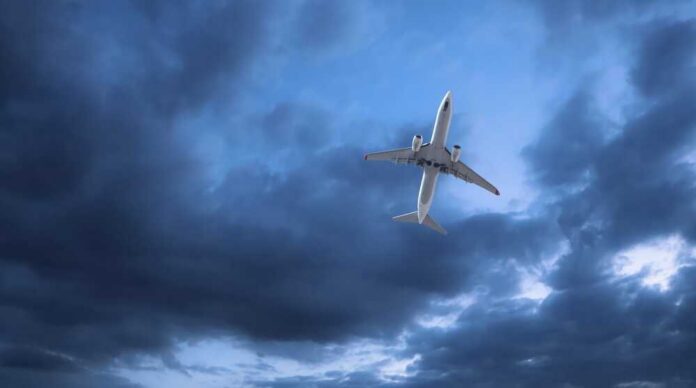
At 39,000 feet over the Atlantic, six flight attendants suddenly felt sick, and American Airlines says the culprit was an onboard oven.
Story Snapshot
- A Rome-to-Philadelphia flight diverted to Dublin after a strange odor spread through the cabin
- Six of nine flight attendants reported dizziness or illness, plus one passenger
- American Airlines says the odor was traced to a galley oven, but released few details
- The incident fits a larger pattern of “odor” events that raise safety and trust questions
When A Routine Flight Turned Into A Midair Mystery
American Airlines Flight 719 took off from Rome headed for Philadelphia, just another packed transatlantic run with 281 passengers and 12 crew on a Boeing 787-9 Dreamliner. About three hours into the flight, somewhere over the North Atlantic, the routine broke.
A strange odor began to spread through part of the cabin. Within a short window, six of the nine flight attendants reported feeling dizzy or ill, and the pilots made a choice no one takes lightly: divert to Dublin.
An American Airlines flight from Rome to Philadelphia diverted to Dublin after a mysterious odor onboard caused six flight attendants to become ill. https://t.co/H2Lm6Ag3nK
— PennLive.com (@PennLive) July 29, 2026
The crew told air traffic control they had a medical emergency on board, and the jet turned toward Ireland. The aircraft landed safely on Dublin’s runway, with paramedics waiting at the gate. Medical teams evaluated the sick flight attendants and one passenger, then released everyone without sending them to the hospital.
American Airlines put travelers up overnight in hotels at no charge and rebooked them to Philadelphia the next morning, trying to turn a tense story back into a normal travel hiccup.
What American Airlines Says Happened In The Galley
American Airlines has given one clear public line: the diversion happened “due to a reported odor onboard caused by an oven”. A spokesperson told a business outlet that the smell was traced to an oven in the galley area of the aircraft.
Another report from Indian media, citing American sources, said early checks pointed to the oven as the source of the odor but admitted the exact nature of the smell was still unclear. That wording suggests the oven angle comes from an initial operational assessment, not a full engineering report.
The company also stressed that paramedics evaluated the affected crew and passenger “out of an abundance of caution” and then released them. That phrase matters. It frames the incident as a safety-first decision in a situation that may or may not have been truly dangerous.
That is exactly what you want: pilots and corporate leaders willing to disrupt schedules and eat hotel costs to protect people, even when the problem might turn out to be minor. At the same time, it keeps the story in a gray zone.
Why Odor Incidents Make Travelers Uneasy
This flight is not the first time American Airlines has had to explain a diversion with the single vague word “odor.” Other cases involved a “chemical spillage,” a “potential odor,” or “fumes in the cockpit,” and in at least one past incident the airline had to walk back an early claim that a cleaning product was to blame after maintenance found otherwise.
Across the aviation world, odor events are messy. Smells can come from ovens, spilled soap, overheated wiring, engine oil leaks, or cabin systems, and symptoms like dizziness can overlap across all of them.
Journalists and frequent flyers have learned to treat first explanations as provisional. The cockpit can fill with an odd scent, crew can feel sick, and the airline’s public statement will often boil a complex technical question down to one simple cause.
Without access to maintenance logs, regulator reports, or internal safety reviews, the rest of us are left to take or leave the official story on trust. That tension is sharp in America right now, where many citizens already feel large institutions dodge hard truths until they are forced into the open.
Safety And Transparency
The key facts here line up in two columns. On one side, the system worked: pilots diverted, paramedics evaluated, no one was hospitalized, and American Airlines paid to lodge and rebook customers.
That is how you want a big company to act when something odd happens at 39,000 feet. On the other side, the public still does not see a firm, technical root cause. We have “an oven” and “a reported odor,” but not a clear finding about what burned, leaked, or malfunctioned.
Reasonable people will differ on how much more detail they deserve. Many will shrug and say, the plane landed, folks went home, move on. Others will remember earlier American Airlines odor cases that changed stories later and ask whether this oven explanation is just a neat label slapped on a more complex fume event.
That second group is not being paranoid. They are asking the same question they ask about government agencies and big tech: if nothing serious happened, why not show more of the evidence?
What This Incident Signals About Flying And Trust
For older travelers who remember when flying felt glamorous and rare, this kind of story is a jolt. Today’s air travel is packed, hurried, and heavily automated. Yet a single odd smell can still bring a widebody jet down early and send half the cabin crew to paramedics.
Flight 719 shows that modern safety culture is strong enough to act fast, but it also shows how thin the public record can be afterward. A short statement and a few news blurbs carry the entire narrative.
The deeper pattern is simple but important. Odor events are hard to diagnose, easy to downplay, and politically charged in an era of low institutional trust. For now, the known facts support American Airlines’ official story more than any rival theory. The oven may well be the whole answer.
Yet until maintenance findings or regulator documents surface, the mystery smell over the Atlantic will stay in that uneasy middle ground where facts, caution, and skepticism all share the cabin.
Sources:
foxbusiness.com, usatoday.com, nypost.com, bbc.co.uk, aeroinside.com, facebook.com, aviation.direct, bbc.com, fox17.com