
Airbnb just drew a hard line on guest chores worldwide, rewriting checkout culture overnight.
Story Snapshot
- Airbnb now bans hosts from requiring time-consuming guest chores like dishwashing and stripping beds.
- Light tasks remain fine: put used dishes in the sink, gather towels, sort trash into indoor bins.
- Policy applies to new bookings from November 20 and includes narrow local exceptions.
- Hosts cannot charge fees if guests skip banned chores; listings can be flagged for violations.
What Changed And When It Takes Effect
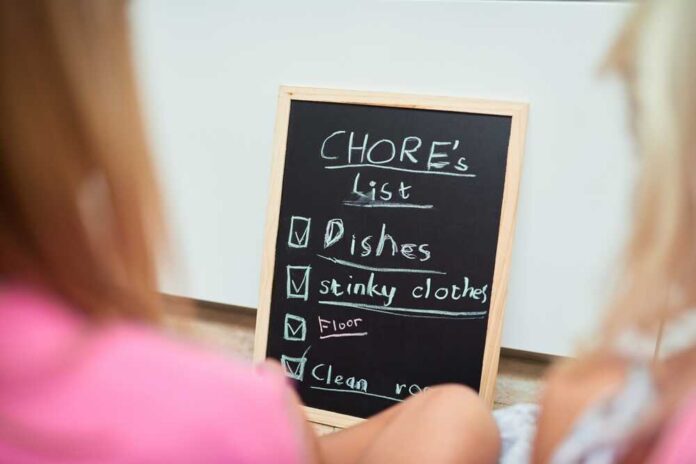
Airbnb updated its house-rules guidance to restrict what hosts may ask at checkout. The company says hosts generally cannot require chores that “take significant effort or time” or jobs a cleaner does, such as washing and putting away dishes, stripping beds, or hauling trash off-site. The rule applies to reservations booked on or after November 20. Guests can still do simple things, like place used dishes in the sink, gather towels, and sort trash into the right indoor bins.
Airbnb framed the change as common sense: if guests pay a cleaning fee, they should not also do the cleaner’s work. The company drew a bright line to remove friction that swelled as fees rose and chore lists got longer. Media reports captured the logic plainly. The cleaning fee is for professional turnover, not a second bill paid in guest labor. The new guidance makes that division explicit across the platform’s global listings.
The New Boundaries: What Hosts Can Still Ask
The guidance does not ban all requests. Hosts may ask guests to keep basic order. That includes putting used dishes in the sink, placing used towels together, and sorting trash and recycling into labeled indoor containers. Airbnb also carved out narrow exceptions for local realities. A home in bear country can direct guests to a secure outdoor bin. A property in a drought can ask for shorter showers. But the core ban on heavy chores still stands.
Enforcement gives the policy teeth. Guests can flag listings with noncompliant checkout lists inside the app. Airbnb says it will review, require changes, and block hosts from charging extra fees when guests do not do banned tasks. Hosts can appeal case decisions. The company, not the guest or host, serves as the final referee on what crosses the line, keeping standards consistent across markets while allowing local exceptions.
Airbnb is banning hosts from requiring guests to wash dishes, do laundry or complete other unreasonable checkout chores under new rules taking effect November 20
Hosts who violate the policy could face warnings, flagged listings and reduced visibility in search results pic.twitter.com/iNIQUGssJw
— non aesthetic things (@PicturesFoIder) October 21, 2026
The Backlash And The Real Cost Question
Some hosts say the rule shifts labor and cost onto them and their cleaners. A host interviewed by ABC News warned that off-site owners who rely on outside teams will face higher cleaning invoices and will pass costs to guests. She also raised hygiene concerns about full bins left inside on hot days. She estimated that about one in ten guests leave a mess that drives up costs for everyone else.
News outlets sampled similar pushback. A host petition called the policy “unreasonable” and predicted higher prices as cleaners handle dishes and trash. Commenters argued the change signals to guests that basic manners are optional. These claims capture a real tension over price versus service. But they remain assertions, not audited outcomes. No independent study yet shows higher post-policy prices, reduced host supply, or lower guest satisfaction because of this rule.
Why This Move Aligns With How People Actually Shop
Travelers judge value on the final price and what it includes. Hidden labor feels like a junk fee in disguise. When platforms make add-on fees more visible, hosts often adjust. One analysis tied more transparent pricing to modest drops in cleaning fees and offsetting tweaks to nightly rates. That shift tracks with basic market behavior: people reward clear, all-in pricing and punish checkout surprises. This rule cleans up the product, not just the house.
Common-sense takeaway for both sides is simple. Hosts should treat cleaning as a service they sell, not a chore guests owe. Guests should leave a place tidy, even if cleaners finish the job. The policy draws that middle line, bans the worst lists, and leaves room for local sense. If enforcement holds, the result should be fewer arguments, clearer pricing, and a stay that feels closer to hotel norms without losing the home feel.
Sources:
cbsnews.com, nbcnews.com, cbs19.tv, bbc.com, airbnb.com, news.sbs.co.kr, reddit.com, cnn.com, fastcompany.com