One spicy pepper just turned into a statewide warning sign about how fragile our food chain really is.
Story Snapshot
- Health officials in Minnesota are probing 110 salmonella cases linked to jalapeños at Mexican restaurants, many at Chipotle.
- Chipotle used its traceability system to flag one common lot of jalapeños and pulled those peppers from affected restaurants.
- The company swapped in jalapeños from different growers and is working closely with state investigators.
- Officials say they are “not concerned” about Chipotle now, but warn other restaurants may still be serving risky produce.
Jalapeños At The Center Of A Salmonella Investigation
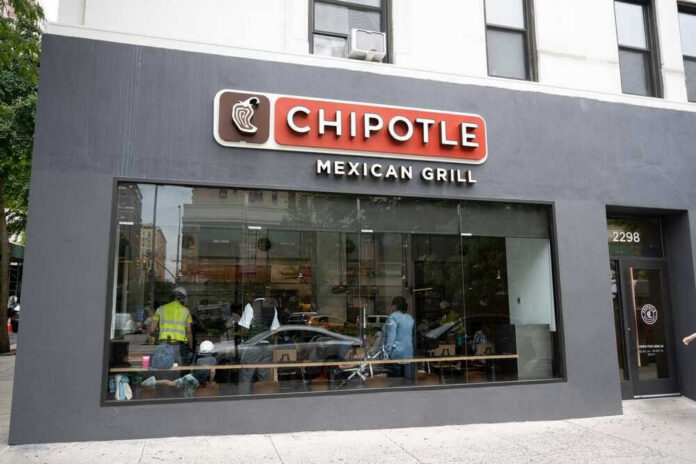
The Minnesota Department of Health says 110 people have been sickened in a salmonella javiana outbreak tied to jalapeños served at Mexican restaurants in the state. Of 84 patients interviewed, about 75 percent reported eating at a Chipotle between mid June and mid July, with the rest pointing to other Mexican-style restaurants.
That pattern turned jalapeños from a simple topping into the main suspect and pushed health officials to look closely at how those peppers moved through the food supply.
State epidemiologists traced what sick diners ate and found jalapeños showing up again and again on their orders. That kind of repeated hit on a single ingredient is a classic warning sign in foodborne illness work.
Investigators then dug into which restaurants shared the same pepper suppliers and lots. Once they saw a common jalapeño lot feeding multiple locations, the focus tightened. The question stopped being “what made people sick?” and became “how fast can we stop more people from getting sick?”
Chipotle’s Rapid Pullback And Traceability Playbook
Chipotle says that once it learned of a potential outbreak linked to its restaurants, it fired up its ingredient traceability system to track problem peppers back through its supply chain. Company records flagged jalapeños from one common lot and matched them to the restaurants that received that product.
Chipotle then removed those jalapeños from those locations “out of an abundance of caution” and replaced them with peppers from different growers. That move fits a larger pattern where firms act before lab certainty to show they can control risk.
No one wants regulators running every kitchen, but people do want companies to take responsibility fast when their food might be linked to harm.
Chipotle’s early pullback protects customers, limits legal exposure and protects long-term brand value, which is basic market discipline at work. It also shows why keeping detailed supplier records is no longer optional in modern food service.
How Health Officials View The Outbreak Risk
Carlota Medus, a senior epidemiologist in the Minnesota Department of Health foodborne diseases unit, says Chipotle has “fully collaborated on every aspect of this investigation,” from records to rapid mitigation steps.
She notes that Chipotle removed the suspected jalapeños from all restaurants that received that product, not just the ones tied to known sick customers. Because of that, health officials say they are not currently concerned about Chipotle as the source going forward, even though many cases ate there before getting sick.
Medus still warns the outbreak may continue if contaminated jalapeños are being served at other restaurants that shared the same supply. That detail matters for anyone who thinks this is only a “Chipotle problem.”
The state’s own reporting points to a broader supply chain issue that hit several food service retailers. That means the real question is how quickly growers, distributors and restaurants can identify and replace the suspect produce across the board, not just in one national chain that has already acted.
What This Shows About Modern Food Safety And Personal Risk
This outbreak highlights the tradeoff that comes with convenience dining. One shared pepper lot can reach dozens of locations and hundreds of families. When that system works, everyone enjoys fast, cheap food. When it fails, government health workers and private companies have to move in sync to limit the damage.
Here, Minnesota officials built the case, while Chipotle used traceability tools and voluntary removal to reduce future risk. That kind of cooperation is a quiet success story inside a scary headline.
For everyday customers, the lesson is simple but serious. Food safety is not just about cooking meat well; fresh produce can carry serious bacteria too. Jalapeños, lettuce and tomatoes never see the grill, but they still cross many hands.
When firms wait for perfect proof before acting, more people get hurt. When they act early and transparently, they earn trust one meal at a time.
Sources:
apnews.com, cnn.com, 6abc.com, bloomberg.com, reuters.com