Utah officials tied four recent deaths to illegal, lab-altered kratom chemicals slipped into “cat’s claw” and similar herbal products, and they want buyers to stop now.
Story Snapshot
- State health and agriculture agencies warned about four deaths linked to semi-synthetic kratom compounds.
- Officials flagged mitragynine pseudoindoxyl and dihydro-7-hydroxymitragynine as the suspected illegal chemicals.
- Products were sold as “cat’s claw” or “kratom-free” alternatives in gas stations and smoke shops.
- Investigators are pulling products and tracing supply chains with law enforcement and federal partners.
Utah’s Warning: Four Deaths, One Pattern
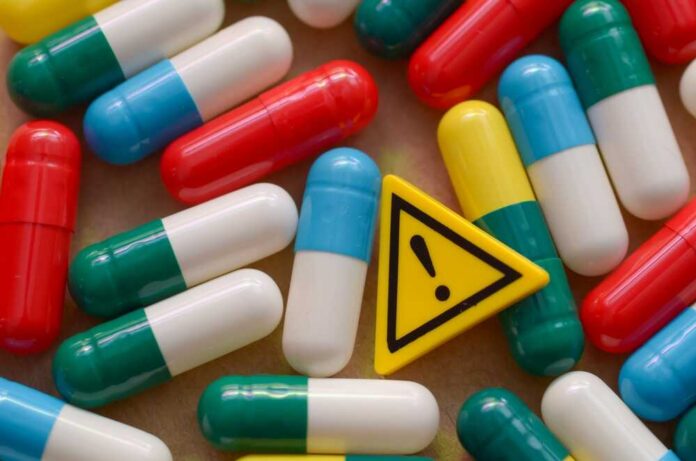
Utah’s Department of Health and Human Services said four people died after taking herbal products that contained illegal, high-potency kratom-derived chemicals. The warning names mitragynine pseudoindoxyl and dihydro-7-hydroxymitragynine as the culprits, both described as opioid-like and unlawful in the state. The state’s message is simple: do not buy or use these items, and call poison control if exposed. That clarity cuts through the fog that often surrounds “natural” labels and glossy retail claims.
Officials said some products were marketed as “cat’s claw,” implying a benign rainforest vine, not a kratom analog. Regulators linked a Buzzers-branded cat’s claw tablet line to a death and several severe incidents and began removing products from shelves. The Utah Department of Agriculture and Food said it is working with law enforcement and the United States Food and Drug Administration to identify companies behind these sales and to stop further harm. The goal is to reduce immediate risk while lab work and case files catch up.
What Investigators Say These Compounds Do
State materials and press reports describe the targeted chemicals as kratom-derived and opioid-like, meaning they can slow breathing, cause dependence, and lead to overdose at relatively small doses. Naloxone can still help in an overdose, so the advice is to call 911 and use it if you have it. This is not about traditional kratom tea leaves. The concern is lab-altered molecules that hit opioid receptors harder and faster. That jump in potency shrinks the margin between a “buzz” and a stop-breathing emergency.
Public health responders often act when clusters form, then fill in details later. That cadence matches other supplement scares: take products off shelves first, finalize toxicology after. A broader body of research shows most kratom-associated deaths involve other drugs or adulterants, not the raw plant. That context supports Utah’s focus on semi-synthetic, high-strength compounds rather than a blanket attack on all kratom use. The immediate threat is potency spiked into pills with coy branding.
Manufacturer Claims Versus State Findings
The maker of Buzzers claims on its site that its product does not contain kratom and instead uses an indole alkaloid extracted from cat’s claw to mirror kratom’s effects. A retailer posted a lab test that reported no detectable dihydro-7-hydroxymitragynine, one of the illegal chemicals Utah named. Those statements aim to reassure buyers that the tablets are legal and “natural.” The problem: the state’s warning points to kratom-derived, opioid-acting chemicals linked to deaths, and says products were mislabeled to look kratom-free.
Four deaths in Utah have been linked to potent semi-synthetic kratom compounds, state officials say. https://t.co/LpJzTyKi67
— NBC News (@NBCNews) October 7, 2026
Common sense favors the state’s position. First, four deaths in a short window triggered action. Second, investigators said they found illegal kratom alkaloids in a product sold as cat’s claw. Third, the company’s own pitch admits it aims to copy kratom’s effects, which invites the question: how does a non-kratom plant do that without chemical tricks? Conservative values prize clear labels, lawful commerce, and accountability. When a pill mimics an opioid’s punch but hides behind a vine’s name, regulators should step in.
Practical Guidance For Shoppers And Sellers
Buyers should avoid any product promising a psychoactive lift from “herb-only” pills sold at convenience counters. Do not trust “kratom-free” or “not a dietary supplement” taglines as safety guarantees. If a product claims opioid-like calm, it may also carry opioid-like risk. If you or a loved one used these tablets and feel drowsy, confused, or short of breath, call 911 and use naloxone if available. Sellers should pull suspect lots and cooperate with agencies now; waiting invites lawsuits and criminal exposure.
What Comes Next In Utah
Utah agencies are tracing supply chains, testing seized product, and coordinating with federal partners to identify manufacturers and distributors. Stores are removing Buzzers-labeled cat’s claw tablets and similar items while cases proceed. Expect civil and criminal actions if evidence confirms illegal compounds. Expect also a push to tighten labeling and to adopt or sharpen a Kratom Consumer Protection Act model, which several states use to police contamination and misbranding. That combination of enforcement and standards respects adult choice while stopping bait-and-switch chemistry.
Sources:
nbcnews.com, dhhs.utah.gov, ag.utah.gov, standard.net, kutv.com, ground.news, ksl.com, newsbreak.com, thegreendragoncbd.com, kures.co, kslegislature.gov