

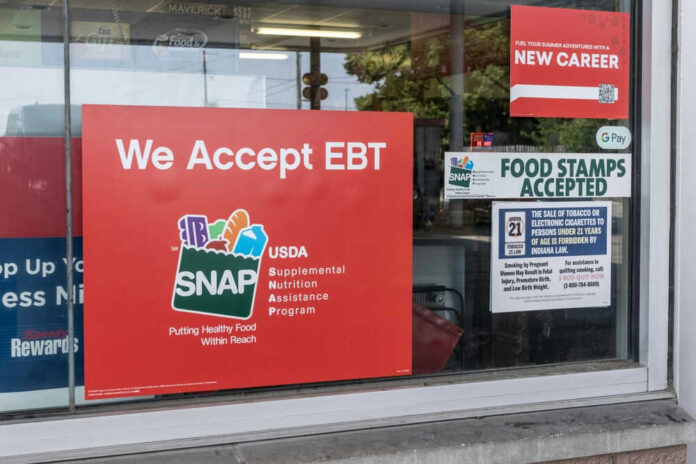
President Trump’s July 2025 SNAP reform megabill introduces crucial work requirements and eligibility restrictions that will remove over 3 million Americans from taxpayer-funded food assistance programs over the next decade.
Key Points
- New work requirements extended to able-bodied adults up to age 64, affecting 1.1 million recipients.
- Asylum seekers and refugees lose SNAP eligibility, ending decades of federal precedent for 90,000 people.
- States must share program costs starting in 2028, potentially forcing some to exit SNAP entirely.
- CBO estimates a total of 3+ million Americans will lose benefits, promoting self-reliance over dependency.
Work Requirements Promote Self-Sufficiency
The Trump administration’s SNAP reforms raise work requirements for able-bodied adults without dependents from age 54 to 64, while tightening exemptions for parents with children aged 14-17.
These changes reflect conservative principles of personal responsibility and reducing government dependency. Congressional Budget Office data shows that 800,000 able-bodied adults and 300,000 parents will transition off benefits between 2025 and 2034.
Critics argue these are merely “work reporting requirements,” but the policy encourages productive participation in the economy rather than indefinite reliance on taxpayer assistance.
SNAP is back, but millions of Americans could lose benefits due to new restrictions https://t.co/3jSQxhZ3yR
— ABC7 Eyewitness News (@ABC7) November 18, 2025
Immigration Reform Closes Benefit Loopholes
Trump’s megabill eliminates SNAP eligibility for refugees, asylum seekers, and those granted humanitarian protection, affecting approximately 90,000 individuals. This policy reverses decades of federal precedent that allowed non-citizens to access American taxpayer-funded benefits immediately upon arrival.
The reform prioritizes American citizens and lawful permanent residents, who must still wait five years after receiving green cards.
Only specific categories like Cuban/Haitian entrants and Compact of Free Association participants retain eligibility, creating a more merit-based system aligned with America First principles.
States Bear Responsibility for Program Management
Starting in 2028, states with SNAP error rates exceeding 6% must contribute 5-15% of benefit costs, shifting $128 billion in federal expenses to state budgets. This accountability measure encourages proper program administration and reduces federal spending.
The Commonwealth Fund analysis suggests some states may opt out entirely, affecting 300,000 recipients. This approach returns decision-making power to states while ensuring taxpayer dollars are managed responsibly.
States that prioritize efficient administration will maintain full federal support, while poorly managed programs face financial consequences.
Reform Targets Government Dependency Culture
Despite activist claims of increased hunger, the reforms address decades of unchecked expansion in government assistance programs. Data shows most SNAP families have working members, contradicting the narrative that recipients cannot work.
However, National Bureau of Economic Research findings indicate work requirements successfully transition 53% of eligible adults off benefits within 18 months, demonstrating their effectiveness in promoting independence.
The removal of exemptions for veterans, homeless individuals, and former foster youth reflects the belief that capable Americans should contribute to society rather than remain dependent on government assistance.