

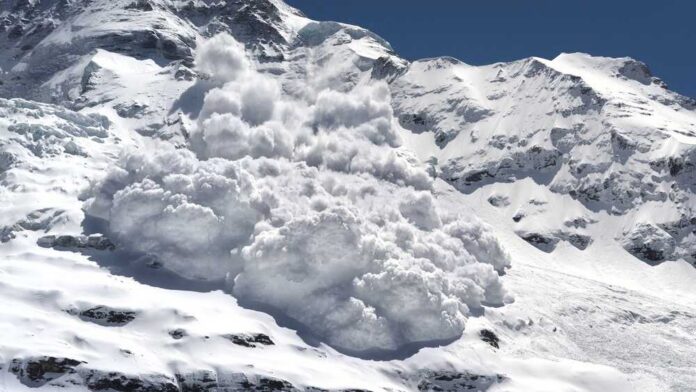
Ten backcountry skiers remain missing after a massive avalanche struck the Castle Peak area near Lake Tahoe during a powerful winter storm, exposing the deadly consequences of venturing into remote wilderness during extreme weather conditions.
Story Snapshot
- An avalanche struck Frog Lake in the Castle Peak area on February 10, 2026, trapping skiers on the final day of a backcountry expedition
- Six skiers were found alive and sheltering in place, while ten remain missing; 46 first responders deployed in a dangerous rescue operation
- Whiteout conditions with 2-3 feet of snow in 36 hours severely hampered rescue efforts as teams battled blizzard on skis and snowcat
- Incident occurred during a high avalanche danger period with fragile snowpack, gale-force winds, and snow accumulating at 2-4 inches per hour
Avalanche Strikes During Peak Storm Conditions
Emergency crews received a 911 call at 11:30 a.m. on Tuesday, February 10, reporting an avalanche with people buried at Frog Lake in the Castle Peak area, northwest of Lake Tahoe. The Nevada County Sheriff’s Office immediately mobilized 46 first responders to the remote backcountry location.
Three rescue teams—two on skis and one aboard a snowcat—began fighting through treacherous conditions to reach the victims. The group of approximately twelve skiers, including four professional guides, was completing a three-day backcountry skiing expedition when the avalanche struck during the height of a severe winter storm.
Extreme Weather Creates Deadly Backcountry Conditions
Brandon Schwartz, Tahoe National Forest lead avalanche forecaster, warned that conditions were “particularly dangerous in the backcountry right now just because we’re at the height of the storm.” Steve Reynaud, another Tahoe National Forest avalanche forecaster with the Sierra Avalanche Center, explained the deadly combination: rapidly accumulating snowfall piling on already fragile snowpack layers, coupled with gale-force winds.
The Soda Springs area had received at least 30 inches of snow in the 24 hours before the avalanche. Forecasters predicted the western slope of the Sierra Nevada could see up to 8 feet of snow before the storm passed.
Remote Location Complicates Rescue Efforts
The skiers were staying at Frog Lake Hut, a remote backcountry shelter requiring up to four miles of skiing through rugged mountainous terrain at an elevation of 9,110 feet. This isolated location placed the group far from immediate rescue infrastructure during the storm. Six survivors were instructed to shelter in place “as best they can” while rescue teams battled whiteout conditions to reach them.
The avalanche warning remained in effect through the morning of February 19. Interstate 80 was closed in both directions from Colfax to the Nevada state line due to dangerous conditions, with multiple spinouts and crashes halting traffic.
Crews pushed through mountainous wilderness near Lake Tahoe during a snowstorm to rescue six backcountry skiers who survived an avalanche but were trapped by its snow and ice. Nine others from their tour group remained missing.https://t.co/pvDKoZ4jzW
— KATU News (@KATUNews) February 18, 2026
Backcountry Risks Vastly Exceed Resort Dangers
Experts emphasized the stark contrast between backcountry and resort skiing risks during avalanche conditions. Avalanche forecasters noted that resorts along highways have avalanche mitigation programs and were not expected to be at as high of a risk as the backcountry, where travel in, near, or below avalanche terrain was strongly discouraged.
Despite these warnings, the group ventured into the backcountry during peak avalanche season. The National Avalanche Center reports that 25 to 30 people die in avalanches annually in the U.S. Just one month earlier in January 2026, an avalanche in the same region buried and killed a snowmobiler, demonstrating the area’s persistent danger.
This incident underscores a fundamental principle: personal responsibility and risk assessment matter. While these skiers had every right to pursue backcountry adventures, their decision to venture into extreme conditions during a major storm placed them at risk and required dozens of first responders to risk their own lives attempting rescue operations.
The choice to ignore expert warnings about dangerous avalanche conditions during peak storm intensity reflects poor judgment that burdened emergency services stretched thin by the severe weather.
When professional forecasters explicitly discourage backcountry travel and major ski resorts—including Mammoth Mountain, Boreal, Kirkwood, and Palisades—completely cease operations due to dangerous conditions, recreational skiers should heed those warnings rather than forge ahead.
Sources:
10 skiers missing after Northern California avalanche – Iron Mountain Daily News
Rescuers search for nine missing skiers after California avalanche – BBC News