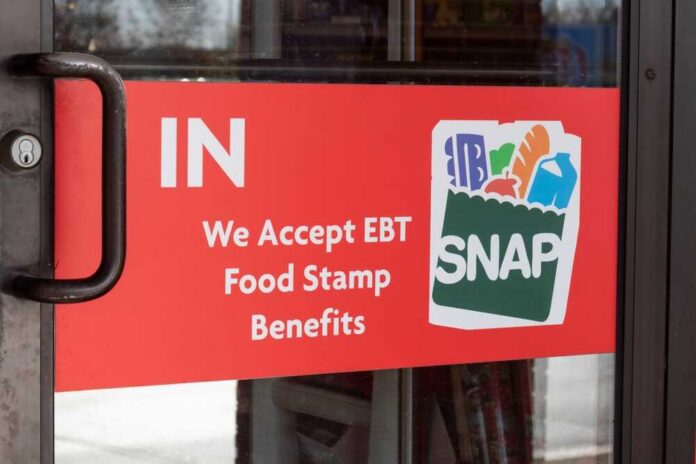
The clock on emergency SNAP money runs out September 30, and the rules that follow will reward accuracy, not autopilot.
At a Glance
- Work rules are baked into SNAP law; ignoring them can mean losing benefits.
- Adults without dependents must hit 80 work or program hours a month to keep aid.
- USDA found a 10.62% payment error rate for 2025, far above the 6% target.
- States with high error rates will owe some benefit costs and must fix the problems.
What the law requires, not what the rumor mill says
The United States Department of Agriculture says people must meet work rules to get Supplemental Nutrition Assistance Program benefits, and that failing to do so can lead to disqualification.
That is not new, and it is not a rumor; it is on the department’s own eligibility page. The rule that draws the hottest fire is for adults without dependents. They must work or train at least 80 hours a month, or combine both to reach that mark.
Nationwide, about 5 million Americans have lost access to SNAP benefits since the One Big Beautiful Bill became law, according to the Center on Budget and Policy Priorities, and SNAP funding could face a major shake-up at the end of September.
Read more: https://t.co/ZpcLLWR3Ld pic.twitter.com/YogSU7nf6X
— ABC News (@ABC) September 14, 2026
These rules sit inside the One Big Beautiful Bill Act’s implementation lane. The department’s public page on the act lists a formal memorandum on exceptions to the adult time limit rule, which signals active management rather than guesswork. The simple idea is consistency.
If Congress sets work rules, the agency posts the playbook, and states follow it. Critics can dislike the standard, but they cannot claim the government hid the ball.
Why September feels like a cliff
Congress bolstered the program with a contingency fund that was always meant to be temporary. Lawmakers set aside three billion dollars for a reserve that remains available through September 30, 2026, to cover operations if regular funds fell short.
Calendar deadlines create drama, but the date comes from statute, not spin. When a reserve expires on a fixed day, administrators must plan for life after the cushion. That forces states to tighten paperwork and verify work hours on schedule.
Americans see the deadline as a needed return to normal order. A reserve should bridge gaps, not become a habit. Families deserve stable rules and honest math. That means clear notices, workable reporting, and firm expectations.
It also means saying no to open-ended emergency footing. If Congress sets an end date, agencies should meet it, and states should prepare, not plead for endless extensions.
Error rates, state skin in the game, and what happens next
The Department of Agriculture reported a national payment error rate of 10.62 percent in fiscal year 2025, far above the six percent benchmark Congress used to shape accountability.
Under the department’s framework, states at or above that threshold must pay a share of their own benefit costs, scaled at five, ten, or fifteen percent, and file a corrective action plan. That is a blunt incentive. Get eligibility right, or help pay for getting it wrong. Taxpayers should expect no less.
USDA economists also note a scheduled shift starting in fiscal year 2028 when the act will require states to cover a share of benefit costs based on their error rates. That timeline matters because it separates today’s paperwork push from later budget consequences.
The policy does not yank the rug overnight. It phases in fiscal pressure so states can clean up eligibility systems, recertification timing, and notice delivery before real money is on the line.
Claims of mass losses and what the record actually shows
Advocacy groups claim millions lost benefits after last year’s changes and urge Congress to delay shifting costs to states. Some outlets cite sharp enrollment drops and stories of missed notices and failed recertifications.
Treat those as warnings about administration, not as proof the rules are wrong. The strongest federal record confirms work requirements, the 80-hour standard, and the error-rate trigger. It does not provide verified counts of people cut solely because of the September deadline.
This won’t save money.
It will cost more.
They will Raise state funding
A state legislature will allocate additional money to keep SNAP operating at current levels despite reduced federal support. That might mean higher taxes, spending cuts elsewhere, or using budget…
— Robert Welch II (@WelchRobII) September 13, 2026
The fair test is simple. Do states send clear notices, offer work-program slots, and allow quick cure of paperwork slips? If yes, then exits likely reflect either higher income, noncompliance with work rules, or resolved ineligibility. If not, then agencies should fix the process fast.
Sources:
abcnews.com, fna.usda.gov, californiatoday.com, ers.usda.gov, congress.gov