

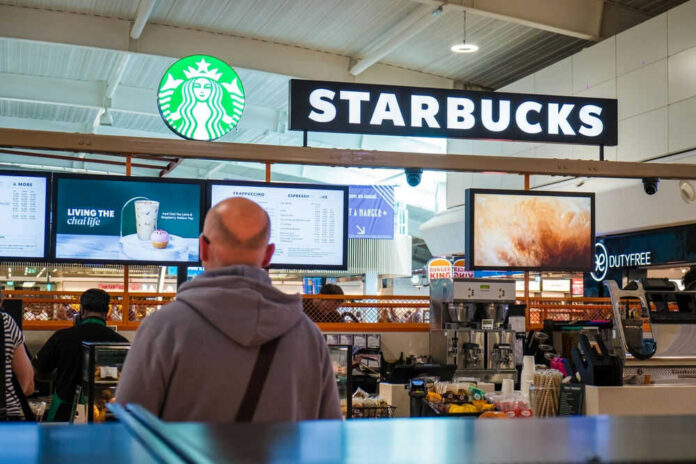
Starbucks just rolled out one of its most aggressive menu expansions in years, signaling the coffee giant’s confidence that CEO Brian Niccol’s turnaround strategy is working—but will adding complexity back to operations undermine the gains that got them here?
Story Overview
- Starbucks launched nine new internationally inspired menu items on February 9, 2026, including Dubai chocolate bites, yuzu citrus blossoms, and matcha beverages
- The menu expansion follows 18 months of operational simplification that eliminated 25% of products and achieved a 4% same-store sales increase
- CEO Brian Niccol declared the company is “now on the offensive,” transitioning from cost-cutting to innovation-driven growth
- The strategic shift responds to customer feedback that the menu needed to “feel more relevant” with globally inspired flavors
From Defensive Cuts to Offensive Innovation
Starbucks spent the past year and a half stripping down its menu, cutting roughly 25% of products to fix operational inefficiencies that had plagued the chain.
CEO Brian Niccol, brought in to reverse consecutive quarterly same-store sales declines, focused on speed, consistency, and execution rather than flashy new offerings. The strategy worked—by January 2026, same-store sales climbed 4%, validating the back-to-basics approach.
Now Niccol is pivoting from defense to offense, betting the operational foundation is strong enough to support innovation without sacrificing the quality improvements customers finally started noticing.
The Starbucks bakery has been given new life, with a host of fresh baked goods moving into the lineup. We got a first taste to share with you which is worth it. https://t.co/NkHk7RYYYf
— Tasting Table (@TastingTable) February 9, 2026
Nine New Items Across Three Categories
The rollout introduced six internationally inspired bakery items: Dubai chocolate bites, cookie croissant swirls, berry blondies, strawberry matcha loaves, yuzu citrus blossoms, and chocolate pistachio loaves.
Starbucks also added two permanent matcha beverages—Iced Double Berry Matcha and Iced Banana Bread Matcha—alongside a new 1971 Roast dark coffee honoring the brand’s Pike Place heritage.
The geographic diversity of flavors reflects a deliberate effort to appeal to cosmopolitan tastes and address customer complaints that the menu felt stale and disconnected from global culinary trends increasingly influencing American preferences.
The Risk of Reintroducing Complexity
While the expansion signals confidence, it reintroduces the operational complexity Starbucks spent 18 months eliminating. Food now accounts for 25% of U.S. sales, making bakery innovation financially important, but training employees on specialty ingredients like yuzu and managing supply chains for internationally sourced items adds layers of complexity.
The company’s Global Chief Brand Officer, Tressie Lieberman, emphasized maintaining a “disciplined innovation pipeline,” acknowledging the tension between growth ambitions and execution capability.
Whether Starbucks can balance innovation with the operational excellence it fought to achieve will determine if this expansion fuels sustained growth or recreates the problems Niccol was hired to fix.
Market Position and Competitive Implications
The strategic timing matters: Starbucks launched this expansion after demonstrating tangible turnaround success, not during crisis mode when desperation drives poor decisions. Competitors in the quick-service restaurant space will likely accelerate their own menu innovation cycles in response, validating Starbucks’ hybrid model of operational efficiency paired with aggressive product development.
The company is betting customers will reward relevance and variety now that service quality has improved. A spring menu launching March 3 with customizable chai, toasted coconut beverages, and lavender flavors extends the momentum of innovation, suggesting this isn’t a one-time gamble but a permanent shift toward frequent, category-spanning updates.
What This Means for Customers and Investors
For customers frustrated by years of declining service quality and uninspired menus, the changes offer tangible benefits if they are executed well. Employees face increased training demands, but may experience improved job satisfaction if brand momentum translates into better store performance.
Investors watching same-store sales will scrutinize whether the innovation drives traffic and average transaction values without eroding the margins gained through simplification.
The broader lesson applies beyond coffee shops: companies can pursue growth through innovation, but only after establishing operational stability. Starbucks is testing whether it built a foundation strong enough to support expansion—or whether it’s reverting to the complexity that necessitated a turnaround in the first place.
Sources:
Starbucks adds internationally inspired menu items as part of turnaround effort – CBS News
Starbucks’ turnaround enters new phase with menu expansion – Axios
Starbucks Spring 2026 Menu – Delish