Two Fort Hood soldiers died when an Army Apache went down in a Salado field, and the crash lit the grass on fire.
Story Snapshot
- Army officials said an AH-64 Apache from Fort Hood crashed near Salado, killing two soldiers.
- Bell County crews raced in after a 911 call just after 1:30 p.m., finding a violent crash scene.
- The impact sparked a fast-moving grass fire and forced nearby evacuations, but no homes were struck.
- The cause remains under investigation; officials have not released a preliminary finding.
What happened in the sky and on the ground
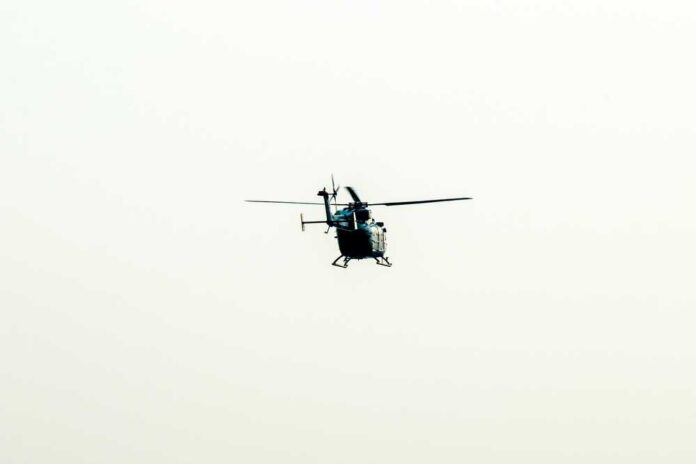
The U.S. Army confirmed the helicopter was an AH-64 Apache based at Fort Hood. The two-seat attack helicopter went down in a field near Salado in Bell County. Both soldiers on board died at the scene, according to local officials and Army statements.
The crash kicked up dust and then fire, pushing flames across dry grass as responders arrived. Fire crews from nearby towns formed lines and worked to keep the blaze from homes and roads as the wreckage burned.
Two people were killed when a U.S. Army Apache helicopter from Fort Hood crashed in Salado, Texas, on Wednesday, local authorities said. https://t.co/dvVsSE11DW pic.twitter.com/0GpBMFBSKd
— CBS Evening News with Tony Dokoupil (@CBSEveningNews) August 12, 2026
Dispatchers took a 911 call at about 1:33 p.m., and the first wave of deputies and firefighters found debris and fire spread by wind across open pasture. A Bell County Sheriff’s Office spokesperson described a “violent crash” and said roads were quickly closed to keep people clear of the scene.
Fire bosses called in more brush trucks and water tenders as the perimeter grew. Evacuations were ordered for a small area while aircraft fuel and heat fed flare-ups.
The tightrope of early facts and open questions
Officials quickly agreed on the core facts: the aircraft type, the Fort Hood link, the location, and the loss of both soldiers. Reporters on scene tracked fire size and containment, but those numbers shifted as crews updated maps and got better eyes on the line.
That is normal in the first hours of a crash-and-fire event. What remains unknown is the cause. Investigators have not released a likely chain of events, and there is no public accident board summary yet.
Helicopter accident work takes time. Teams will mark the debris field, recover flight components, and secure the engines and gearboxes. They will look at maintenance records, mission plans, and any preflight notes.
They will hunt for flight data and radio calls that can shape a minute-by-minute timeline. Grass-fire ignition points can also help show the angle and speed of impact. Until that record is built, any sure claim about cause is guesswork, and guesswork helps no one.
What we know about the Apache and the mission set
The AH-64 Apache is the Army’s front-line attack helicopter. It carries sensors, rockets, and a nose gun. It is fast, nimble, and tough, but it still depends on skilled crews, tight maintenance, and stable weather. Training flights push crews to fly low and fast, work in teams, and practice target runs.
These profiles can be demanding near the ground. Small margins at low altitude leave little room to fix a sudden issue, which is why safety drills and post-flight checks matter so much.
Officials with Fort Hood confirmed that the crash in Salado involved an AH-64 Apache attack helicopter based at the installation. https://t.co/IGDavtoQ0L
— THV11 (@THV11) August 13, 2026
When a crash happens stateside, the mission is often training. That means the safety lessons learned will feed right back into the next week’s syllabus. The Army typically issues a safety stand-down for the unit, reviews procedures, and inspects sister aircraft.
That step protects the rest of the formation while investigators do the deeper work. Families deserve clear answers, and so do the soldiers who strap into the next sortie. Speed matters, but accuracy matters more.
Community impact, accountability, and what comes next
Neighbors watched a military aircraft fall and a wildfire start in minutes. Deputies blocked roads. Firefighters set backburns. Homeowners grabbed hoses and waited. Those local acts kept a bad day from getting worse. Officials said the helicopter did not strike homes or other structures, which spared the area added harm.
The sheriff’s office and Fort Hood will keep the public updated as the facts harden, and any policy or maintenance fixes should follow from those facts, not press pressure.
Some commentary will try to fill the gap with blame or politics. That rush helps no one and can mislead families and crews. The better course is the American habit of disciplined fact-finding, clear accountability, and real fixes.
If the record shows a part failed, change the part. If training or scheduling pushed risk too high, shift the plan. If weather or terrain fooled the crew, update charts and tactics. That is common sense, and it saves lives on the next flight.
Sources:
cbsnews.com, abcnews.com, youtube.com