
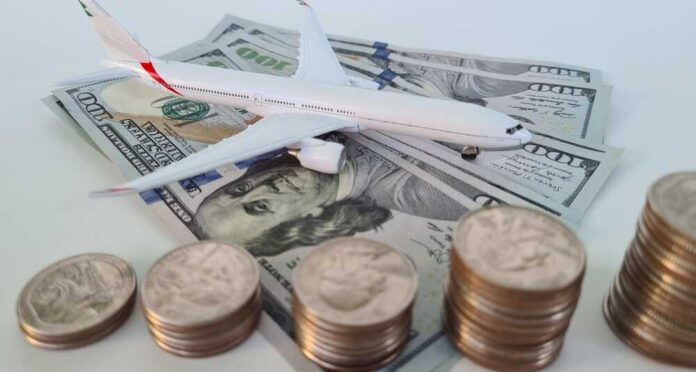
JetBlue just made flying home for the holidays more expensive, raising its checked bag fees for the second time this year and tying the hike directly to fuel costs.
Quick Take
- JetBlue raised checked bag fees on November 3, with the first bag now costing $50, up from $45, when booked more than 24 hours ahead during non-peak travel.
- Peak-period and same-day prices climbed even higher, reaching $55 for advance peak bookings and up to $70 for same-day peak check-ins.
- The airline says the hike helps cover “rising fuel and operating costs,” the same reason it gave for a March increase that pushed first-bag fees to at least $39.
- Customers with JetBlue’s co-branded credit card or elite frequent-flyer status still avoid the fee.
What Changed And When
Starting November 3, JetBlue’s first checked bag jumped from $45 to $50 when purchased more than 24 hours before a non-peak flight. Peak-period pricing rose from $49 to $55 under the same advance-purchase window. Travelers who wait until the day of departure now pay $60 during non-peak periods and $70 during peak travel. The airline confirmed the new numbers in a statement sent to reporters the same day.
JetBlue framed the move in plain terms. “We’re adjusting checked bag fees to help offset rising fuel and operating costs,” the airline said in a statement quoted by multiple outlets. That language mirrors what JetBlue said back in March, when it raised the first-bag fee to at least $39 from $35 while insisting it wanted to keep base fares competitive for the average traveler.
A Pattern Of Fee Increases Through 2026
This marks at least the second confirmed fee hike JetBlue has rolled out in 2026, following the March adjustment. Several outlets, including CBS News and Skift, describe the November change as the year’s second increase, not a third. Whatever the exact count, the trend line is clear: JetBlue has leaned on baggage pricing twice in one year to manage costs it says are climbing out of its control.
Not every JetBlue customer feels the pinch equally. Travelers holding JetBlue’s co-branded credit card or carrying elite frequent-flyer status still check their first bag free. That carve-out means the fee increase hits occasional flyers and bargain-fare shoppers who haven’t signed up for the airline’s loyalty perks, while rewarding JetBlue’s most loyal, card-carrying customers.
Why Airlines Lean On Bag Fees Instead Of Fares
JetBlue isn’t inventing a new playbook here. Airlines have split ticket prices from extra charges since the late 2000s, and baggage fees have become one of the most reliable ways to pad revenue without touching the advertised base fare. Industry-wide, checked-bag revenue exploded from roughly $464 million in 2007 to $3.4 billion in 2010, a sevenfold jump in just three years.
Researchers who study airline pricing point out that bag fees can do double duty: they bring in cash while also discouraging passengers from checking heavy luggage, which cuts handling costs for the airline. For a company like JetBlue, that means a $5 or $10 increase on a checked bag isn’t just about covering jet fuel. It also shapes how many bags show up at the gate in the first place, trimming labor and logistics costs behind the scenes.
JetBlue Raises Baggage Fees Again: Charges Reach Up to $70
US-based airline JetBlue Airways has increased its checked baggage fees for the second time in 2026, citing rising fuel and operating costs. Under the new pricing structure, which took effect on November 3, economy class… pic.twitter.com/bmFkG81fRE
— AirwayBuzz (@AirwayBuzz) November 4, 2026
None of that changes the core math facing JetBlue customers this fall. A family of four checking one bag each could now pay an extra $20 to $100 round-trip compared with earlier this year, depending on how close to departure they book. For an airline built on a budget-friendly reputation, repeated fee hikes test how much goodwill price-sensitive flyers will extend before they start shopping elsewhere.
Competitors have so far held off on matching JetBlue’s latest move, with some low-cost rivals keeping their own bag fees unchanged for now. That gap gives travelers a real choice heading into the busy holiday season, and it puts pressure on JetBlue to prove its fuel-cost explanation holds up as fuel prices shift in the months ahead.
Sources:
cnbc.com, cbsnews.com, usatoday.com, skift.com