

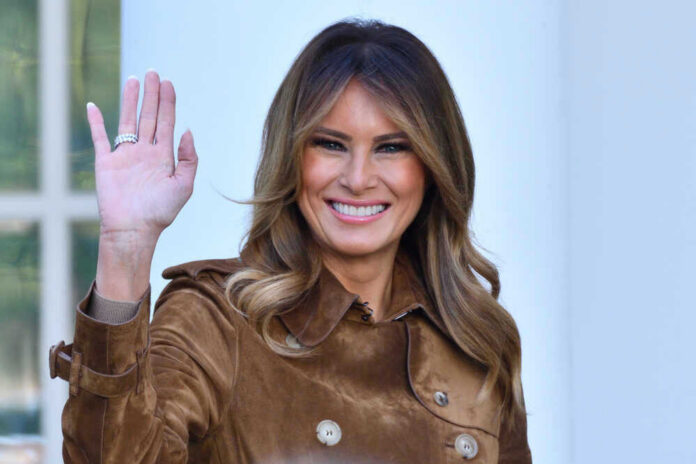
Russia confirmed it will sit down with Ukraine and the United States in Abu Dhabi, and the First Lady is setting the stage with a ceasefire playbook that just worked once.
Story Snapshot
- The Kremlin set November 10–11 for trilateral talks in Abu Dhabi, naming its lead negotiator.
- The White House credited Melania Trump with a six-day local ceasefire that allowed evacuations.
- Agenda items include de-escalation, energy ceasefires, and Black Sea shipping safety.
- Kyiv signals low expectations but wants swaps and energy protections to start.
What Russia, Ukraine, and Washington just put on the calendar
The Kremlin said Russia will meet Ukraine and the United States in Abu Dhabi on November 10–11. Moscow named Vladimir Medinsky, a top aide, to lead its team, which signals a formal channel, not a trial balloon. Reporting tied to that announcement outlined practical agenda lanes: de-escalation steps, humanitarian access, an energy strike pause, and a possible Black Sea truce to support grain exports. A United States special envoy has been cited as confirming an American mediation role, which matches the trilateral format.
The White House said First Lady Melania Trump helped secure a six-day ceasefire in Oleshky and nearby areas that enabled evacuations and aid before it expired on November 1. That pause did not stop the wider war, but it showed that narrow deals can open doors. In diplomacy, small wins create habits, contacts, and timelines. Those tools matter when you try to lock down bigger steps like an energy ceasefire before winter or a corridor that keeps food moving.
What the talks can realistically deliver first
Ukrainian officials have tempered hopes for a sweeping deal at the first session. Kyiv wants progress on prisoner exchanges and a halt to strikes on power sites, which is the fastest way to save lives and keep the grid online as cold weather hits. President Volodymyr Zelenskyy drew a bright line on security. He said guarantees for Ukraine must be strong and cannot be dictated by Russia. He also said freezing the lines could be a minimum first step, followed by talks on those guarantees.
Russia’s attendance shows engagement, not surrender. The record does not show agreed terms on borders, force pullbacks, or enforcement. That gap explains why expectations should stay tight. Still, defined teams, dates, and a working agenda reduce noise and delay. The process can test practical swaps, daily strike limits, and targeted ceasefires in sectors that hit civilians hardest, like energy and food routes. Those pieces are not peace, but they are measurable.
How a First Lady figures into hard security
The First Lady’s role creates headlines and friction. The White House credited her with “independently initiated engagement” that produced the Oleshky pause. Skeptics will ask for documents and third-party logs, which are fair questions in any war. Yet the core point stands: local pauses happened and allowed evacuations, and they ended on time. Results on the ground beat theories on cable panels. If that access repeats and scales, it can anchor broader de-escalation steps.
Conservatives will judge this by outcomes and leverage, not theater. Protect civilians. Cut the odds of grid collapse. Bring home prisoners. Keep grain ships moving without ransom. Those goals line up with common sense. They also fit a peace-through-strength frame: test Russia with clear, limited steps, verify compliance, and escalate diplomacy only when each step holds. If Moscow balks, the record will show it, and the United States can tighten pressure with allies.
The open questions that decide whether Abu Dhabi matters
The rumored leaders’ meeting with Presidents Trump, Putin, and China’s Xi Jinping remains only “under consideration,” not scheduled, and should not be treated as a given. Europe’s seat is another question. Kyiv and European voices have pushed for real European involvement, since any deal will need European money, security support, and energy resilience to stick. The talks will also face live-fire reality if strikes on Ukraine’s power grid continue during or after the sessions.
The Kremlin confirmed Russia, Ukraine and the U.S. will hold 3-way peace talks in Abu Dhabi on Nov 10-11, the first since February. Envoy Steve Witkoff says the U.S. will mediate; Jared Kushner joins the U.S. side. (Reuters) #Ukraine #PeaceTalks pic.twitter.com/3mNURr2gc0
— The Harold (@theharold_news) November 4, 2026
Here is the scoreboard that counts after November 11: fewer missile and drone strikes on energy sites, more prisoners home, safer Black Sea lanes, and verified pauses that last longer than a long weekend. If those needles move, trust grows and bigger items get airtime. If not, the process slides into pageantry. History favors stepwise deals in hot wars. Abu Dhabi can be that step if the sides cash small checks fast and keep writing more.
Sources:
cnbc.com, whitehouse.gov, thedailybeast.com, kyivindependent.com, newscord.org, yahoo.com