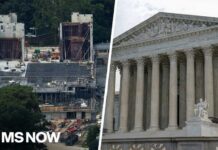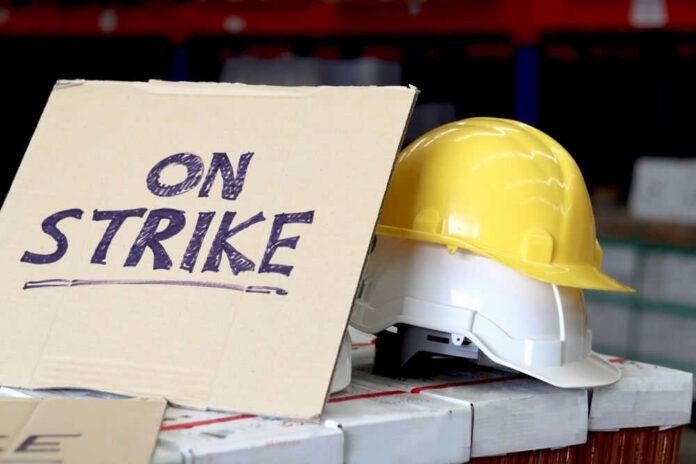
3,800 American workers at one of the nation’s largest beef plants walked off the job today, striking against a multinational giant amid soaring costs from years of Biden-era inflation.
Story Snapshot
- Nearly 3,800 unionized meatpackers at JBS Greeley plant launched an Unfair Labor Practice strike at 5:30 a.m. on March 16, 2026, after eight months of failed talks.
- Workers demand wage hikes to match Colorado’s high living costs, safety gear reimbursement, and better healthcare—frustrations built under inflationary pressures from past fiscal mismanagement.
- First U.S. meatpacking strike since 1985, threatening beef supply chains that President Trump’s policies aim to strengthen for American families and farmers.
- JBS offers raises but shifts production elsewhere, prioritizing profits over Greeley workers and local communities hit hard by globalist economic policies.
Strike Launch and Historical Significance
United Food and Commercial Workers Local 7 members at the JBS USA beef processing plant in Greeley, Colorado, initiated the strike precisely at 5:30 a.m. on March 16, 2026. This action followed the union bargaining committee’s vote on March 9 to end a contract extension, after negotiations stalled since July 2025.
The facility, headquarters of JBS USA and one of the country’s largest beef processors, handles cattle for nationwide distribution. This marks the first major U.S. meatpacking strike since 1985 at Hormel Foods in Minnesota and the first in Colorado since 1980 at the Monfort plant, now JBS-owned. Such labor peace endured for decades until now.
About 3,800 workers at one of the nation’s largest meatpacking plants are set to strike in Colorado in what union representatives say would be the first walkout at a U.S. beef slaughterhouse since the 1980s. https://t.co/CvJmi6r8Ms
— NBC News (@NBCNews) March 16, 2026
Core Disputes: Wages, Safety, and Unfair Practices
UFCW Local 7 represents 3,800 workers demanding wage increases to counter Colorado’s rising living costs, where the state minimum wage stands at $15.16 per hour—over twice the federal $7.25 in states like Texas and Utah. Additional demands include reimbursement for safety equipment and coverage for healthcare costs, plus pension restoration.
JBS proposes a 60-cent raise in the first year and 30 cents annually thereafter, aligning with a 2025 national agreement at 14 other plants. Wages rose 46% since 2019, but unions claim this lags inflation in the Front Range. The strike qualifies as an Unfair Labor Practice action, with allegations of company threats to withhold bonuses and retaliation against advocates.
Company Response and Stakeholder Positions
JBS USA spokesperson Nikki Richardson stated the company will shift production to other facilities with excess capacity to maintain beef supply for consumers. Labor relations head Matthew J. Lovell accused the union of abruptly walking away from an updated offer after over two dozen meetings.
UFCW President Kim Cordova countered that JBS prioritizes profits, calling a $3 million gap a “rounding error” for the global giant with 132 plants and 109,000 employees. The American Justice League supports workers, citing JBS’s role in Northern Colorado’s economy as a fiduciary duty for fair practices. UFCW International, parent to Local 7, notes its 2025 national deal precedent.
Past incidents fuel tensions: JBS paid $55 million in 2024 to settle wage-collusion allegations with other beef firms. Unions frame this as ongoing suppression, while JBS calls such claims absurd given wage growth outpacing regional inflation by 21 points since 2019.
Economic Impacts and Broader Risks
Short-term, 3,800 workers forgo paychecks, Greeley production halts temporarily, and Northern Colorado communities face ripples from losing a major employer. JBS aims to minimize supply disruptions, but beef prices could rise, hitting American families already strained by prior administration overspending and inflation.
Long-term, this strike could set precedents for industry wages, safety policies, and labor relations, potentially sparking actions elsewhere and raising costs in a sector vital to U.S. food security. Under President Trump, stable supply chains support farmers and consumers against globalist disruptions—yet union successes might inflate prices further, echoing failed leftist economic policies.
3,800 workers are on strike at one of the largest meatpacking plants in the US https://t.co/qDGWsZWgJR via @@YahooNews
— Greig Murry (@DruggedAmerican) March 16, 2026
Looking Ahead: Industry Precedent in Trump’s America
Resolution remains uncertain, with unfair practice details needing investigation beyond union claims. Outcomes may redefine meatpacking benchmarks nationally, influencing 109,000 JBS workers globally but centered on American jobs.
Conservatives value hard-working families fighting corporate overreach, yet worry union militancy could burden consumers and erode the business freedoms Trump’s policies protect.
This dispute underscores tensions between worker rights and economic stability in Colorado’s high-cost environment, a legacy of unchecked spending and open-border inflation from the Biden years. Monitoring continues as impacts unfold.
Sources:
Colorado Sun: JBS meatpackers in Greeley authorize strike over wages, safety gear
UFCW Local 7 Official Statement: JBS Workers to Strike Over Unfair Labor Practices
SupplyChainBrain: Workers at U.S. Meat Processing Plant to Strike