A federal judge just called a White House “fee” a tax—and wiped it off the books.
Story Snapshot
- A federal judge voided the $100,000 charge on new H-1B visa petitions [1][3].
- The court said the charge worked like a tax, not a user fee [1].
- The ruling said the executive branch lacked clear authority from Congress [1].
- The court tossed the policy in full under the Administrative Procedure Act [1][3].
Judge Sorokin’s ruling yanked a six-figure roadblock off the H-1B on-ramp
United States District Judge Leo Sorokin ruled for a coalition of 20 states and invalidated the Trump administration’s policy that imposed a $100,000 payment on new H-1B visa petitions [1][3]. The policy aimed to raise costs for employers who sponsor high-skilled foreign workers.
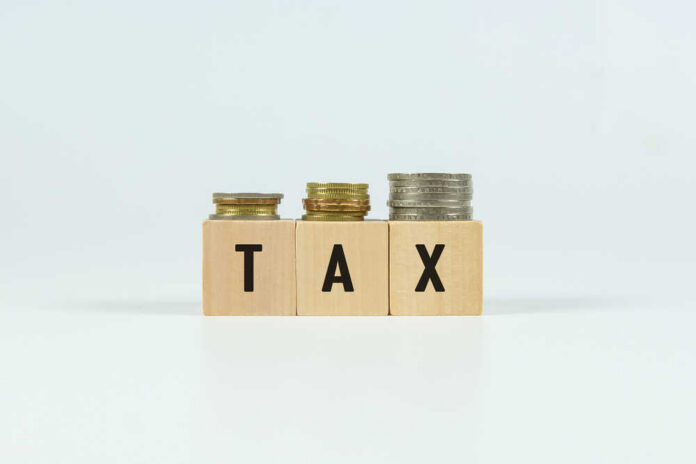
The court concluded the payment functioned as a tax, not a fee, which changed the legal stakes [1]. That framing matters. Congress writes the tax laws. Presidents do not get to invent new taxes by relabeling them as fees.
A federal judge struck down a $100,000 fee President Donald Trump ordered for H-1B visa applications, providing a reprieve for US technology companies that rely on hiring skilled foreign workers https://t.co/aESreZ0vLl
— Bloomberg (@business) June 8, 2026
The case turned on basic separation of powers. The court found no statute that granted the executive branch power to impose a six-figure charge on H-1B filings [1].
The decision also said the administration did not reasonably explain the policy in the record. Agencies must show their work. When a rule comes with a price tag this high, judges expect a solid explanation tied to law and facts [1]. Lacking both, the policy fell in full, not just in part [1][3].
Why calling it a “tax” cracked the policy
The label did not save the charge. The court looked at what the payment did and who paid it. The $100,000 was not about covering agency costs. It aimed to change behavior and raise large sums. That is what taxes do. Fees usually offset a service. Taxes fund broader goals.
By calling the charge a tax in substance, the ruling forced the government to show clear congressional approval. It could not do so, which made the policy unlawful [1][3].
The tax-versus-fee line is not academic. If an agency can add six-figure “fees” without Congress, then the limits on executive power fade fast. Conservatives often warn about this slope. If one administration can price out visas today, another could price out guns, gasoline, or church permits tomorrow.
The court’s stance fits common-sense guardrails: big charges that change markets need permission from lawmakers, not a creative label from regulators [1].
Winners, losers, and the next moves
States that joined the lawsuit, along with hospitals, universities, and tech firms that rely on high-skilled talent, get immediate relief from the $100,000 burden [1][3].
Many employers would have faced a choice: halt growth, move jobs offshore, or swallow a punishing cost. Removing the charge makes it easier to fill hard-to-staff roles and keep projects in the United States. That helps patients, students, and customers who need specialized services on time. It also steadies visa planning for the next filing cycles [3].
3. Federal Judge Voids Trump $100K Fee for H-1B Visas
US District Judge Leo Sorokin, a Barack Obama appointee based out of Boston, on Monday “invalidated President Donald Trump’s policy imposing a $100,000 fee on new H-1B visas for high-skilled foreign workers, finding it…
— Liberty Nation (@libertynation) June 9, 2026
The government could appeal, seek a stay, or try again with a narrower rule, but the current record, as reported, shows a sweeping defeat of the policy under the Administrative Procedure Act [1][3].
Reported summaries do not include the full opinion or the exact statutes at issue, which limits the public view of the court’s step-by-step analysis. Even so, the core finding is clear: no clear authority, no adequate explanation, and a tax in substance means the rule cannot stand as written [1][3].
The broader lesson: policy by price tag rarely survives
Courts often allow presidents to set conditions at the border or adjust processing rules. Courts push back when agencies morph program fees into de facto taxes or skip the hard homework that the law requires. The safer path runs through Congress.
If a White House wants to change the economics of a visa program by this much, it should make the case to lawmakers and the public. That route takes time. It also produces sturdier policy that lasts beyond one news cycle [1][3].
Sources:
[3] Web – Trump’s $100K fee for H-1B visas struck down | Higher Ed Dive