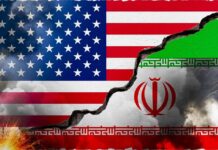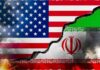

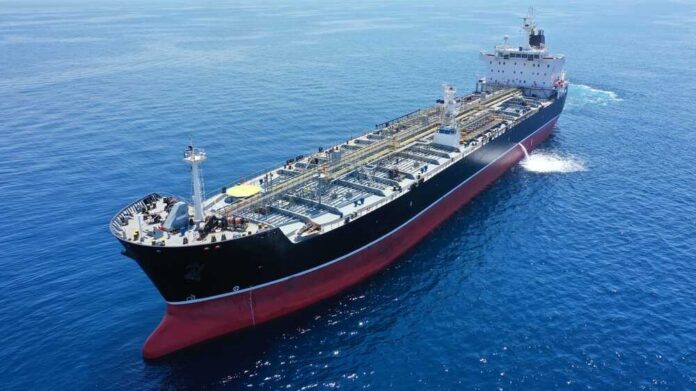
The United States did not just bomb Iran after the tanker attacks; it slammed shut a brief opening that had let billions in Iranian oil money flow, and that one-two punch is going to echo through global markets and Middle East politics for years.
Story Snapshot
- The United States revoked a rare sanctions waiver that briefly let Iran sell oil after three tankers were attacked near the Strait of Hormuz.
- U.S. Central Command called Iran’s actions “unwarranted, dangerous, and a clear violation of the ceasefire,” tying the policy reversal directly to the strikes.
- President Trump said the Iran ceasefire was “over” and backed new military strikes without asking Congress for fresh approval.
- Iran denies blame and claims it controls the Strait, but key U.S. allies and markets are acting as if Tehran pulled the trigger.
How tanker attacks instantly killed Iran’s oil waiver
The 60-day window that let Iran legally sell some oil was never meant to last forever, but it did not die of old age; it died the minute missiles and projectiles hit three commercial ships near the Strait of Hormuz.
The license allowed specific at-sea sales of Iranian crude and petrochemicals, a narrow but lucrative lifeline that experts said could earn Tehran billions if talks held. When tankers from Saudi Arabia and Qatar were struck while using a route backed by the United States Navy, that lifeline snapped.
News outlets from Bloomberg to The Hill describe the revocation as a direct response, not a slow policy tweak. The Treasury Department moved first, announcing that new sales of Iranian oil were barred after July 7, with only a short grace period for traders to unwind deals already in motion.
A U.S. official said clearly that “Iran’s actions in the Strait were wholly unacceptable” and that benefits like sanctions relief would only come from “good behavior,” not attacks on ships crewed by civilians.
Military strikes, presidential power, and conservative instincts
U.S. Central Command did more than send a warning statement; it announced “a series of powerful strikes” against Iranian air defenses, radar sites, anti-ship missile positions, and dozens of small boats used by the Islamic Revolutionary Guard Corps.
The command said the tanker attacks were “unwarranted, dangerous, and a clear violation of the ceasefire,” framing the strikes as a direct consequence. For many Americans who value strength and deterrence, this looks like the textbook response: hit back hard, close the cash spigot, and make sure Iran pays a price.
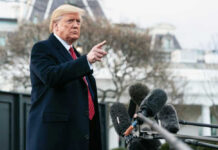
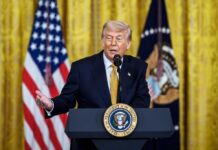
President Trump then did something that will keep lawyers and lawmakers arguing. Standing at a North Atlantic Treaty Organization summit, he declared the tentative Iran ceasefire “over” and called the deal “a waste of time.”
He justified both the military response and the oil decision without seeking new approval from Congress, leaning on executive authority and existing war powers. From a common-sense angle, his message was simple: if Iran keeps attacking ships, the United States will not keep rewarding it with oil money and diplomatic cover.
What the public still cannot see about the evidence
Here is where things get murky. The United States and its allies say Iran launched the attacks, but the public record does not yet include the kind of detailed forensic proof many remember from earlier Gulf incidents.
The June 2019 Gulf of Oman case, for example, came with video showing men on a small boat removing what looked like an unexploded mine, plus statements from the United Kingdom calling it “almost certain” that the Iranian Revolutionary Guard Corps was responsible. Today’s tanker strikes have no such released images or fragment analysis, at least so far.
That does not mean there is no evidence; it means the evidence is still classified or summarized in broad strokes. Reports mention missiles fired at tankers, projectiles hitting hulls near Oman, and routes that Iran had warned foreign ships not to use. Intelligence sources almost certainly have radar tracks, satellite shots, and communications intercepts.
But U.S. officials have chosen to lean on statements and timing rather than laying out a public case piece by piece. For skeptics, especially outside the United States, that gap raises doubts even as they watch the same ships burn.
Iran’s denial, the Strait of Hormuz, and a shrinking audience
Iran’s officials push a very different story. They “categorically” reject U.S. claims, saying hostile actors are trying to wreck Iran’s ties with the world.
State media say at least one commercial tanker was attacked after trying to use a U.S.-backed corridor without coordinating with Iranian authorities, hinting that the strike was a warning against the American route, not an Iranian act of aggression. Tehran also insists it controls the Strait of Hormuz, while the United States and its partners call it an international waterway.
US reinstates sanctions on Iranian oil sales after LNG, oil tanker attacks
WASHINGTON, July 7 (Reuters) – The United States on Tuesday re-imposed sanctions on Iranian oil, as a U.S. official warned that Iran's attacks on vessels in the Strait of Hormuz were "wholly… pic.twitter.com/7yixo2bstE
— Divine Oreoluwa (@Divine_Oreoluwa) July 8, 2026
The problem for Iran is that most of the audience that matters is not buying this denial. The Qatari Foreign Ministry publicly blamed Iran and said the attacks were a “serious and clear violation of international law.” Past tanker incidents saw the United Kingdom, Germany, and others side with U.S. assessments and describe the evidence against Iran as strong.
Markets are also voting with their feet: ships are turning back from the Strait, threat levels are raised to “severe,” oil prices are jumping, and analysts tie the chaos to Iranian risk, not some unnamed mystery actor.
Sanctions as a reset button, not a punishment spree
This revocation also fits a larger pattern. For years, American presidents of both parties have used sanctions waivers as a bargaining chip: lift a little pressure to test talks, then slam it back down if Iran hits ships, enriches uranium, or arms proxies.
The recent 60-day waiver was described as a “huge concession” that let Iran earn big money while giving up very little on nuclear issues, which never sat well with many who saw it as paying for promises.
By ending the waiver after just a few weeks and pairing that move with visible military strikes, the Trump administration is sending a clear signal: there is no free ride for bad behavior, and every tanker attack risks both bombs and lost revenue.
For readers who want foreign policy grounded in basic common sense, the logic is straightforward. Iran can choose trade routes and talks, or it can choose missiles and mines, but it cannot choose both and expect Washington to keep its oil money flowing.
Sources:
cnbc.com, thehill.com, bloomberg.com, en.wikipedia.org, wsj.com, instagram.com, facebook.com, nytimes.com, ofac.treasury.gov, abcnews.com, bbc.com, youtube.com, aljazeera.com, cbsnews.com