
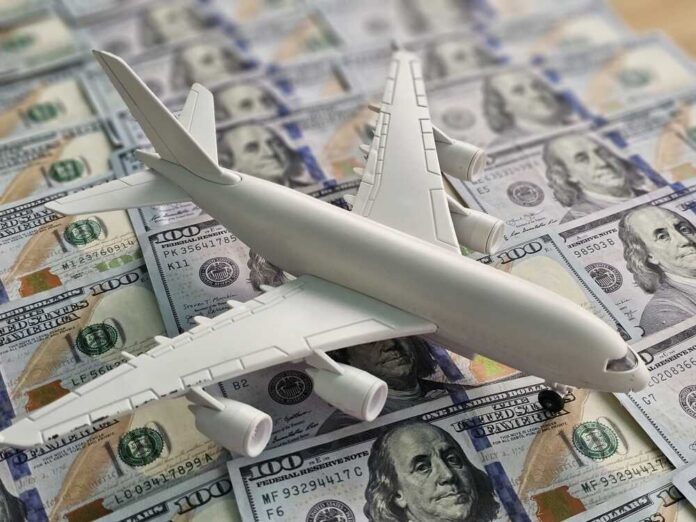
Australia’s best-known budget airline has found a new thing to sell you: the overhead locker above your head.
Story Snapshot
- Jetstar will start charging from about A$25 to A$52 to put a bag in the overhead locker.
- Every passenger still gets one small under-seat bag for free, but anything bigger costs extra.
- The airline says the change will speed up boarding, cut stress, and help more flights leave on time.
- Many travelers see it as the latest “nickel and dime” fee in the low-cost airline model.
Jetstar turns overhead space into a paid product
Australian budget airline Jetstar will start charging passengers to use the overhead lockers from February 2027, in one of the biggest changes to its carry-on rules since it launched.
Under the new policy, your ticket still includes one small personal bag that must fit under the seat in front of you. Any larger cabin bag that needs overhead space becomes a paid extra, sold as “Priority Carry-on” on top of the basic fare.
Australian airline Jetstar will charge passengers to use overhead lockers for their bags https://t.co/YgJ4QHpGqq pic.twitter.com/ncSuXXpoA0
— New York Post (@nypost) August 5, 2026
The numbers make the shift very real. On short domestic routes, prices for overhead access will start at about A$25 one way, with typical trunk routes like Sydney to Melbourne from around A$33.
Longer international flights will run higher, with routes such as Cairns to Tokyo starting around A$52 for that overhead spot. The fee uses the same kind of “dynamic pricing” used for airfares, so the cost changes with route and demand.
What changes for your bag on board
Jetstar links this new fee to a second big change: scrapping its long-standing seven kilogram weight limit on free carry-on bags. Today, most passengers get stressed at the gate when staff wheel out the scales and force people to repack, pay extra, or check bags at the last minute.
Jetstar says this gate-weighing drama came up again and again in feedback from customers and crew as one of the most stressful parts of flying.
From 2027, the airline will shift to a size-based model instead of weighing every free bag. Everyone gets one small item that must fit under the seat in front, up to about 40 by 30 by 20 centimeters, at no extra charge.
If you want to bring a larger cabin suitcase up to about 56 by 36 by 23 centimeters, you pay for the Priority Carry-on extra that both unlocks overhead space and lets you board earlier.
How Jetstar sells it versus how travelers hear it
Jetstar is very clear about the sales pitch. Company leaders say the change will “make better use of overhead locker space, streamline boarding and help more flights depart on time,” and will let people “pay for what they need” instead of raising base fares for everyone.
That message lines up with what many low-cost airlines worldwide have claimed when they started charging for cabin bags and other services.
Travelers, though, are split and loud about it. Some see value in getting rid of the seven kilogram limit and all the gate drama that goes with it, especially if they usually travel light and can live with a small under-seat bag.
Others call the move “silly, unfair, unnecessary,” arguing that something as basic as overhead space, which has always been part of flying, should not become a separate line item that families now need to budget for.
The low-cost model and common sense
This change fits a pattern that has spread through airline travel for years: unbundle everything, then sell each piece. Jetstar already charges strict excess baggage fees at the airport for checked bags that go over the allowance, billed per extra kilogram.
Overhead space is simply the latest frontier. There is a clear logic here. People who want more convenience can choose to pay more, while those who pack smaller can keep paying the lowest advertised fare.
🟠 JETSTAR WILL START SELLING YOU THE OVERHEAD LOCKER FROM 2 FEBRUARY 2027, SO WE PRICED A REAL SYDNEY TO MELBOURNE TRIP TO SEE IF THE CHEAP FARE IS ACTUALLY CHEAP 🟠
Jetstar boss Steph Tully says the change helps "keep our fares low". We booked nothing and priced everything,… pic.twitter.com/aziOOS0nwD
— One News Australia (@OneNewsAu) August 5, 2026
The tension comes when the “headline fare” feels like a bait-and-switch. Many working families do not travel with only a thin laptop sleeve under the seat. For them, a realistic trip now includes a paid overhead bag or paid checked bag either way.
The airline may not raise the base fare, but the real price of travel rises. Common sense says transparency matters: people accept fees when they feel honest, upfront, and tied to real costs and real service.
Will this really speed up boarding?
Jetstar argues that fewer, more clearly paid-for overhead bags will make boarding smoother, cut aisle chaos, and help flights leave on time. The logic is plausible.
Planes often run late because passengers block the aisle while hunting for space, and crew scramble to find room for oversized free bags. If only those who paid for Priority Carry-on can use the lockers, with earlier boarding, that crowding could ease.
The risk is that tight limits and new fees push more people toward checking bags they once carried on. That can shift delays from the gate to the baggage belt. It can also add stress at booking, as people try to guess the best mix of cabin and checked options to avoid surprise airport charges.
In the end, the market will judge the trade-off. If flights really feel calmer and more on-time, some grumbling will fade. If not, this will look less like “less stress” and more like one more fee bolted onto modern air travel.
Sources:
nypost.com, mothership.sg, jetstar.com, news.com.au, dailymail.com, english.mathrubhumi.com