He scored, celebrated with teammates, then collapsed on the sideline and was gone before halftime.
Story Snapshot
- William Jewell College announced junior running back MicahJo Barnett died after a sideline medical emergency during the season opener.
- The game in Liberty, Missouri, stopped as medical teams responded and was then postponed.
- Barnett was 20 years old and a business administration student, the college said.
- Sudden medical events in college sports are rare but demand fast, trained response with defibrillators.
A touchdown, then a sudden collapse on the sideline
William Jewell College said MicahJo Barnett, a junior running back and business administration student, died Saturday after a medical emergency during the team’s season opener in Liberty, Missouri. Local and national reports said he had scored a touchdown earlier in the game before collapsing on the sideline.
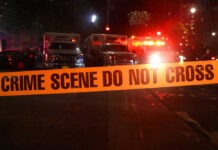
Medical staff rushed in and the game was halted. Officials later postponed the contest between William Jewell and Fort Lewis College after the emergency response and announcement.
Missouri college football player MicahJo Barnett, 20, died after collapsing on the sidelines moments after scoring a touchdown in William Jewell College’s season opener. pic.twitter.com/XRXNXroK0u
— Breaking911 (@Breaking911) August 30, 2026
The college shared the news hours later and offered prayers and support to his family, teammates, and the Liberty community.
A regional report added that the emergency occurred roughly 20 minutes after kickoff, underscoring how quickly the day changed from routine to tragic.
Authorities had not released a cause of death at the time of the college’s statement. The core facts remain clear: a student-athlete went down on the sideline, responders acted, and he did not survive.
What we know, and why speed on the sideline matters
Medical teams at college games train for fast action because minutes decide outcomes in cardiac arrest. Best practice calls for a venue plan, clear roles, and an automatic defibrillator within a short walk so a shock can be delivered within about three minutes if needed.
That standard exists because sudden cardiac arrest is a leading nontraumatic killer in college sport, even though events are uncommon overall. Preparedness increases survival odds when the cause is cardiac.
Cardiac-related events sit at the center of many catastrophic collapses in athletics. A major interassociation consensus estimated the risk of exertion-related sudden cardiac death in National Collegiate Athletic Association athletes at about one in fifty-four thousand athlete-years, and higher in men.
Numbers like that explain two things at once. These tragedies are rare. They also repeat enough that every program must drill and equip for the worst day they hope to never see.
The human cost for a team, a campus, and a town
William Jewell described Barnett as a beloved junior and former Liberty North Eagle, a local tie that tightens the grief across the city. Teammates lose a friend in the locker room and a runner in the huddle.
Coaches lose a young man they mentored. Professors lose a voice in class. Parents and siblings face the empty chair no family wants. The school urged the community to lean on counseling and faith, and to show up for one another in the days ahead.
Let’s be praying for the family and loved ones of MicahJo Barnett, and the whole William Jewell community. 🙏
The 20-year-old running back tragically died after suffering a medical emergency during his team’s season opener.#MicahJoBarnett #WilliamJewell #CollegeFootball pic.twitter.com/1M9qXQsWmP
— Sport and Faith (@sportandfaith) August 31, 2026
Officials postponed the game, a decision that respects players and staff who just watched a teammate fight for his life. That choice aligns with common sense and basic decency. Competition can wait; people cannot.
Campus leaders now carry two duties: honor Barnett’s life with care for the living and review emergency readiness with clear eyes. Both acts show what a healthy community does under strain.
Preparedness is not optional in college sports
Every athletic department should treat this as a sober drill. Confirm the emergency action plan for each venue.
Assign who calls emergency services, who retrieves the defibrillator, who meets the ambulance, and who leads chest compressions. Then practice it until it is muscle memory. That work is not about fear. It is about stewardship.
Sources:
nytimes.com, jewellcardinals.com, timesnownews.com, reddit.com, nata.org