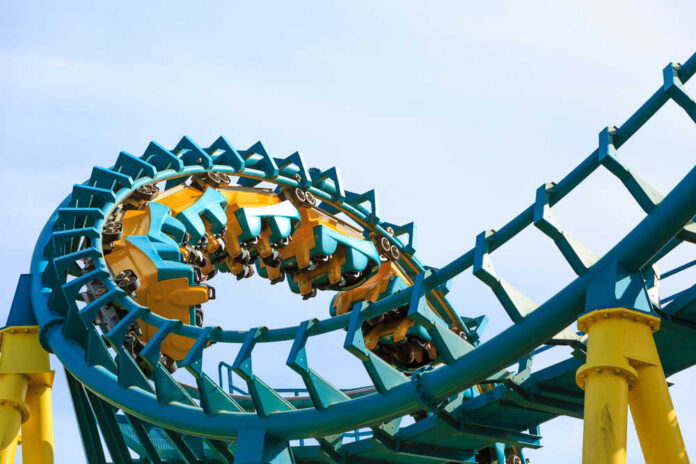
The Atlanta-area park that once drew families with cheap thrills and a record-breaking coaster just quietly closed after 36 years, and what happens next says a lot about how modern entertainment survives—or does not—in a changing America.
Story Snapshot
- Fun Spot America Atlanta in Fayetteville closed for good after August 2, 2026.
- The park ran for about 36 years, becoming a budget-friendly staple for local families.
- Owner John Arie Jr. pointed to weak attendance and tough business math behind the shutdown.
- Fans now obsess over the fate of star coaster ArieForce One, while the land and jobs fade from view.
An era ends at a modest park with big emotional weight
Fun Spot America Atlanta was never Disney World, but for three and a half decades it did something Disney no longer tries: it gave working families a day of thrills without wrecking the monthly budget.
The park in Fayetteville, about twenty miles south of Atlanta, started in 1990 and grew into a quiet fixture for locals who measured summers in go-kart races, arcade runs, and the rumble of coasters rather than flights to Orlando. Its closure on August 2 drew crowds not just for one more ride, but for one last look at their own past.
When word came in late June that the park would shut down after one final summer, the parking lot filled in a way that should make any business owner wince. People who drifted away for years rushed back for “last ride” photos and nostalgia, as if they sensed something larger was disappearing.
The irony was sharp: the surge that showed how much the park meant to the region also proved it had become more of a memory than a routine habit, which is poison for any business trying to pay staff and maintain steel.
Hard numbers, softer answers, and the business reality
On camera and in statements, owner John Arie Jr. kept the explanation simple: attendance in Georgia never reached the level needed to keep growing and stay profitable. That lines up with a pattern we see across entertainment today. Families face higher costs for housing, food, and taxes, and they trim “extras” first.
A regional park that depends on repeat local visits can get squeezed while big national brands chase once-in-a-decade trips from wealthier tourists.
Atlanta-area amusement park closes after nearly 4 decades https://t.co/veUoGsaxbz
— FOX Business (@FoxBusiness) August 4, 2026
Corporate language also hints at a strategic shift. Reports describe the closure as part of a focus on the company’s Florida parks, which remain open and receive more investment. That is a reminder that capital goes where returns look strongest.
Fayetteville brought memories; Orlando brings volume, travel dollars, and partnership deals. Some fans read this as a cold move, but responsible owners cannot run a park as a charity. They owe their workers and lenders reality, not nostalgia. A 36-year run in one spot is not failure; it is a full chapter.
Thrill-ride fate overshadows the people and the place
As soon as the shutdown became public, the center of the online conversation shifted from the park itself to one asset: ArieForce One, the record-setting coaster that helped put Fun Spot Atlanta on the wider thrill map.
Industry coverage and fan channels poured energy into guessing which park might buy it, how much the steel is worth, and how the ride could be moved. There are hints the company wants to find the coaster a new home, and even reports of calls and emails from interested buyers, but no signed deal in public view.
Moments before what would be our last ride on ArieForce One at Fun Spot Atlanta as we know it. Where do you think this incredible roller coaster will end up? pic.twitter.com/1Ni5oAJGbN
— Coasters and Brews 🍻 (@coastersnbrews) August 3, 2026
Here is where values clash with attention spans. From a business angle, selling a top-tier coaster is smart if the land use is changing or the park is gone. But when fans talk only about where the ride might go, the story turns into a game of fantasy football for roller coasters.
The jobs lost, the families whose teens grew up under those lights, the question of what replaces a once-busy local space—those get pushed aside. For a culture that claims to care about community, it is telling that metal and track get more airtime than the people who made them matter.
What Fun Spot’s closure says about local fun in a national age
The Georgia park’s final weekend felt like a farewell not just to one site but to a certain kind of American leisure. Families drove in for one last simple night: parking that did not require a loan, rides priced to allow impulse trips, staff who remembered regulars. That model struggles now.
National players chase “experiences” that look great on social media and pull in tourists with higher credit limits. Smaller parks rely on steady local turnout, which weakens when households juggle rising bills and more screens at home.
This should spark concern. When only massive coastal operators survive, regional culture thins out. Kids grow up with fewer real-world places to gather, and more time in digital worlds that do not employ local teens or generate property tax on physical land.
Fun Spot Atlanta’s shutdown is a practical business decision, but it is also a quiet warning. If we let every modest, family-scale venue die while we chase distant “destination” trips, we should not be shocked when our own towns feel less like home.
Sources:
foxbusiness.com, ajc.com, atlantanewsfirst.com, cbsnews.com, timesofindia.indiatimes.com, wsbtv.com, facebook.com