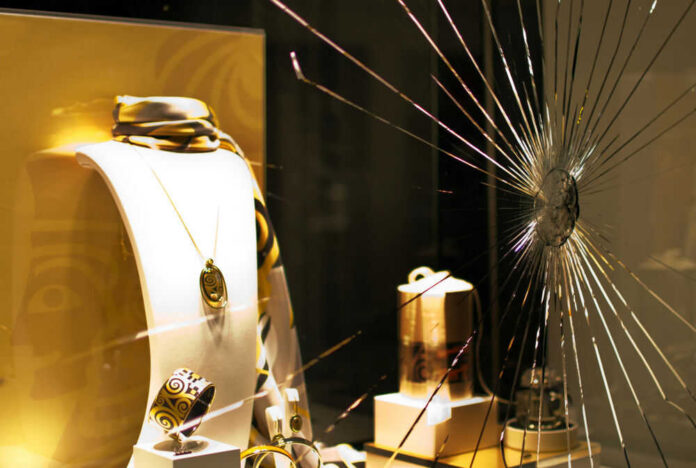
Masked thieves slipped into a quiet French village museum at dawn and walked out with glittering Lalique jewels worth millions, exposing just how fragile Europe’s cultural treasures have become.
Story Snapshot
- Burglars struck the Lalique Museum before sunrise, smashing six cases and stealing about 20 crystal jewelry pieces.
- The alarm went off, but a delayed response from private security gave the thieves a crucial escape window.
- The loss is estimated near €4 million, adding a fresh scar to France’s growing list of high-value museum thefts.
- The raid comes months after the Louvre crown jewel heist, raising hard questions about what, if anything, has really changed.
A quiet village, a glassmaker’s legacy, and a 5:30 a.m. smash and grab
The Lalique Museum sits in Wingen-sur-Moder, a small town in northeastern France built around glass and craft. That quiet image shattered early Sunday morning when a masked gang forced open a door at about 5:30 a.m. and headed straight for the jewelry room. This was not clumsy vandalism.
They knew where the valuables were and moved fast, like people who had watched the building and learned its weak points.
Burglars stole millions of dollars worth of jewelry from the museum of French luxury glassmaker Lalique in a daring early-morning raid on Sunday, just months after a stunning gem heist at the Louvre in Paris. https://t.co/VJHhPpSIYE
— CBS News (@CBSNews) July 6, 2026
Inside the museum, the target was clear. Six display cases stood between the thieves and René Lalique’s crystal jewelry, prized for design rather than gem content. The gang smashed all six, grabbed around twenty pieces, and vanished into the morning.
These works held no diamonds to melt down, but they carried real market value and deep cultural meaning. A source close to the investigation put the likely loss at around four million euros, though the final figure still requires a full inventory.
Alarms, delays, and a familiar French security problem
Once the glass broke, the system technically worked. An alarm triggered and notified the museum’s private security company. The real failure came next. The security firm did not move quickly to confirm the alert, chewing up minutes that should have belonged to police.
By the time officers arrived on scene, the thieves were gone. For anyone who values common sense and basic accountability, this looks less like bad luck and more like predictable negligence.
The museum itself did what it could after the fact. It announced on its website and social media pages that the site would close for several days due to the burglary.
Investigators started combing through closed-circuit television footage from inside and around the building, hoping the cameras captured faces, vehicles, or license plates.
Yet as of the latest reports, no suspects were publicly named, no arrests had been shared, and no forensic details about tools or DNA had been released. The story, for now, ends at the smashed door.
Why this was not an isolated fluke but part of a pattern
This Lalique raid did not happen in a vacuum. Over the past year, France has suffered a string of museum thefts that all exploit gaps in security and slow responses.
Analysts tracking art crime point to at least four major museum or heritage thefts since late 2025, including the Adrien porcelain heist and the theft of a five-kilogram Australian gold nugget from the Paris natural history museum. The same pattern repeats: focused criminals, predictable systems, and institutions slow to adapt.
🚨 Masked thieves steal 27 crystal jewelry pieces worth €4.5M ($5.1M) from France’s Musée Lalique. The smash-and-grab raid lasted just 11 minutes, marking the 4th major French museum heist in 10 months. Alarms sounded, but security failed to alert police. #Heist #ArtTheft pic.twitter.com/6euU8szSgq
— European Union club (@TheEuropeanUC) July 7, 2026
The most famous warning shot came from the Louvre crown jewel robbery in October 2025. There, four thieves used a vehicle-mounted lift, power tools, and less than ten minutes to break into the Galerie d’Apollon in daylight and escape with eight pieces of royal jewelry worth about €88 million.
A preliminary review showed one in three rooms in the affected area had no camera coverage, and a key balcony camera pointed the wrong way. France’s culture minister admitted the Louvre’s security was “totally obsolete” and ordered a full audit.
Media drama versus hard questions about responsibility
Major outlets and social accounts rushed to call the Lalique case another “daring raid” or “brazen heist,” borrowing language from the Louvre coverage and turning real failures into a kind of dark spectacle.
That framing may be exciting, but it quietly shifts blame from institutions to unstoppable super-criminals. From this view, the more relevant point is not the flair of the thieves but the repeated failure of rich, well-connected institutions to protect national heritage.
So far, there is no serious counterclaim alleging that the Lalique burglary did not happen or that the details are fabricated. The core facts—time of entry, forced door, six smashed cases, rough value of loss, and temporary closure—align across different reports and match how museum burglaries typically unfold.
The real debate sits elsewhere: why museum leaders and security contractors, even after the Louvre shock, still allow weak alarms, blind spots on cameras, and slow human response.
What comes next for the Lalique jewels and for France’s museums
Crystal jewelry without diamonds or gold may not be easy to fence on the mass market, which is one reason some experts think these pieces may disappear into private collections rather than be chopped up for parts.
That outcome would make recovery hard, because buyers with money and no scruples do not file claims or talk to police. Interpol’s database helped flag the Louvre crown jewels worldwide. It is unclear whether Lalique’s mostly crystal works will get the same level of international attention.
The Lalique case should, in theory, put pressure on French museums to complete security audits, close camera gaps, and require faster-response contracts from private firms. After the Louvre heist, officials talked about upgrades and reforms.
Yet this early-morning village raid suggests that talk has not turned into consistent practice. For readers who care about culture, order, and simple responsibility, the real drama is not the smash-and-grab itself.
It is whether France’s museum leaders finally treat security as seriously as the treasures they claim to protect.
Sources:
cbsnews.com, koreaherald.com, artdependence.com, scmp.com, straitstimes.com, youtube.com, art-crime.blogspot.com, rapaport.com, interpol.int, en.wikipedia.org, instagram.com