An American A-10 lost a wing and about eight F-15s took damage in Iran’s strike on a U.S.-used base in Jordan, yet the fighters kept flying.
At a Glance
- Iran struck Muwaffaq Salti Air Base in Jordan, hitting U.S.-used aircraft.
- One A-10 Thunderbolt lost a wing; about eight F-15s had light damage.
- Most damaged F-15s returned to service soon after.
- The attack fits a broader pattern of Iranian hits on U.S.-used sites across the region.
Confirmed Damage Pattern On The Ramp
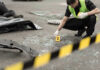
Reporting from CBS News says multiple American aircraft were damaged during overnight strikes on the Muwaffaq Salti Air Base in Jordan. Sources with direct knowledge described a dramatic hit on an A-10 Thunderbolt that cost the aircraft a wing.
They also said about eight F-15 fighters had light damage and returned to service after checks and quick fixes. Reuters repeated the same details soon after, underscoring the unusual mix of one major hit and several minor ones.
Air and Space Forces magazine echoed that profile. It cited one A-10 with a severely damaged wing and about eight F-15E Strike Eagles that remained serviceable following the attack. The outlet tied the damage to the same strike window and to the same base in Jordan.
Together, these reports outline a clear pattern: one close or direct strike that maimed a slow, rugged attack jet on the ground, plus scattered shrapnel or blast effects that nicked faster air-superiority fighters.
Where It Happened And Why It Matters
The strike hit Muwaffaq Salti Air Base, also known as Azraq, about 50 miles east of Amman. The base hosts U.S. forces and coalition aircraft focused on air defense, strike, and surveillance missions. The type mix on the ramp matters. A-10s work low and slow to support ground troops.
F-15s handle air cover and deep strike. Damaging both in one volley sends a message: parking ramps and maintenance areas are soft targets unless hardened or dispersed, and readiness can be bent by shrapnel even when jets survive.
Multiple American military aircraft were damaged in Iranian strikes overnight Tuesday into Wednesday local time on Muwaffaq Salti Air Base in Jordan, people with direct knowledge of the matter told CBS News. https://t.co/EM5oRpOkG8
— CBS News (@CBSNews) September 10, 2026
The timeline ran overnight Tuesday into Wednesday local time, with publication on September 9 and 10. That window tracks with other recent Iranian actions against U.S.-used sites in Jordan and the broader region.
It also matches a months-long pattern of tit-for-tat exchanges that test defenses, burn Patriot and other interceptor stock, and probe where Washington draws lines. One brief caveat: outlets sourced many details to people not named in print.
How Eight Fighters Get “Light Damage” And Still Fly
Light damage on fighters usually means pierced skins, nicked control surfaces, canopies peppered by fragments, flat tires, or damage to non-critical panels. Crews can patch, swap parts, or sign off safe-to-fly after inspections.
The A-10’s wing loss points to a very near detonation or a direct hit. The F-15 damage pattern points to fragments and overpressure at some distance from the blast. That is why the fighters went back to work while the Warthog did not.
Common sense says this: the first job is to protect American troops and assets, then keep sortie rates high. That requires layered defenses that intercept threats far out, hardened shelters that blunt what gets through, and old-school dispersal so one warhead cannot catch many planes.
Parking jets under shelters and spreading them across more ramps reduce risks at a cost in logistics and time. That trade is worth it when opponents can lob precision missiles.
The Broader Strike Ledger Across The Region
Independent reviews show a wide set of Iranian attacks on U.S.-used sites since the war began. A Washington Post analysis presented to Congress said at least 228 structures or pieces of equipment were damaged or destroyed at U.S. military sites across the Middle East.
BBC reporting said Iran has damaged 20 U.S. military sites since the start of the war, with satellite images backing that spread. Another BBC analysis tallied about eight hundred million dollars in damage early in the conflict.
🚨🇮🇷🇺🇸🇯🇴 CBS News: Multiple U.S. military aircraft were damaged during Iran’s recent missile strikes on Muwaffaq Salti Air Base in Jordan.
According to CBS, one A-10 Thunderbolt lost a wing, while around eight F-15 fighter jets sustained minor damage and were later returned to… https://t.co/Aqk6q2DOMR pic.twitter.com/JsQ55ECIJl
— Raaz News – En (@raaznewsen) September 10, 2026
Those numbers explain why a lost A-10 wing and several nicked F-15s in Jordan fit a larger arc. Iran has mixed ballistic missiles, drones, and cruise weapons to reach runways, shelters, fuel, and radars.
Each strike forces choices about where to base, how to defend, and when to surge or pause. For the United States, the answer has often been more interceptors, better dispersion, and faster repairs to keep pressure on adversaries without handing them an easy propaganda win.
What This Means For U.S. Readiness And Deterrence
Readiness held at Azraq because maintainers turned jets around fast and defenses likely filtered most inbound threats. But deterrence relies on cost and risk.
If Iran can force the United States to spend far more on interceptors and hardening than Iran spends on missiles, the balance tilts over time.
The fix is layered: push intercept lines outward, harden parking, disperse squadrons, and hit launch systems when they light up. Strength, clarity, and speed deter better than speeches.
Sources:
cbsnews.com, airandspaceforces.com, reuters.com, youtube.com, defencesecurityasia.com