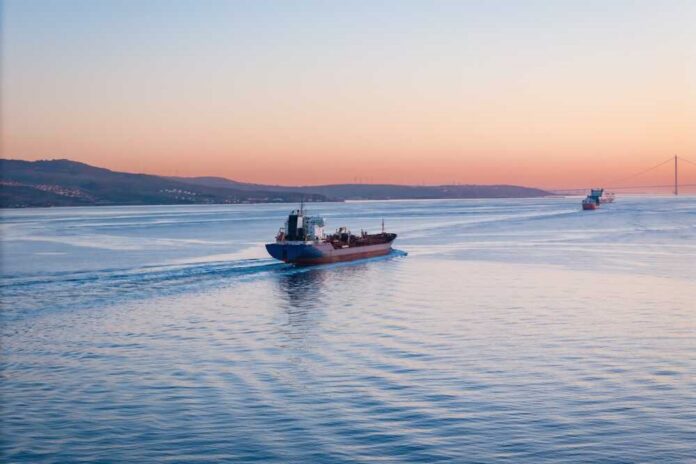
Six deaths in the Red Sea turned a shipping raid into a much larger warning about how fragile this waterway has become.
Quick Take
- Yemeni authorities say Houthi forces attacked the cargo ship Tihamah in the Bab al-Mandeb Strait and killed six people.
- The dead included four crew members and two members of the Yemeni government-allied National Resistance Forces who joined the rescue effort.
- Reports say the ship was hit again after the first blast, a detail that fueled claims of a double-tap strike.
- The attack marked the first reported shipping deaths in the Red Sea in more than a year and raised pressure on the United States and its allies.
The Strike That Changed the Story
Yemeni officials said Houthi militants struck the Egyptian-owned, Tanzania-flagged cargo ship Tihamah in the Bab al-Mandeb Strait, the narrow mouth of the Red Sea.
The attack killed four crew members and, in a follow-up strike, two rescue workers from the government-aligned National Resistance Forces. Reuters reported that the ship was attacked while sailing from Salalah in Oman via Djibouti, showing how quickly a commercial route can become a battlefield.
6 Killed, 10 Injured In Suspected Houthi Attack On Cargo Ship Near Bab el-Mandeb
Read Full News Here 👉 https://t.co/b12IkGk0Pd#MarineInsight #Merchantnavy #Merchantmarine #MerchantnavyShips #BabElMandeb #news #cargoship #maritime #houthis pic.twitter.com/LtKneTghCR
— MarineInsight (@MarineInsight) August 12, 2026
The casualty count mattered because it broke a grim pattern. Houthi attacks on shipping had already shaken the region for months, but earlier incidents often caused damage, panic, or evacuations rather than deaths.
Reuters said this was the first fatal Houthi strike on Red Sea shipping since the larger regional war escalated, and CNBC said it was the first reported shipping deaths in more than a year. That makes the strike feel less like a headline and more like a turning point.
Why Bab al-Mandeb Matters
Bab al-Mandeb is not just another sea lane. It is one of the world’s most sensitive chokepoints, linking the Red Sea to the Gulf of Aden and the Indian Ocean. BBC reporting described Houthi attacks there as a threat to a vital shipping corridor and part of a wider Middle East crisis.
That is why every missile launch, rescue call, and course change draws instant attention far beyond Yemen. A single attack can threaten trade, insurance rates, and military response plans at once.
Houthi-linked reporting offered a different frame. Reuters said a Houthi-run outlet claimed the group had attacked a Saudi ship carrying military equipment, not a neutral merchant vessel.
That claim matters because it shows how the Houthis try to cast maritime violence as wartime action, not criminal attack. But the public record provided here does not prove that version. The clearest documented facts still point to a commercial ship carrying food supplies and a rescue team caught in the blast zone.
How the Narrative Split So Fast
This event moved through two stories at once. One story is about a commercial ship under fire in a contested waterway. The other is about armed groups trying to justify attacks by tying them to military cargo or hostile transit.
Additional reports show that first-wave accounts often differ on cargo, ownership, and target status before the facts harden. That gap gives every side room to frame the same explosion in its own language.
Four crew killed in the first fatal Houthi shipping attack of the current conflict.
The Egyptian-owned cargo ship Tihamah was struck in the Bab el-Mandeb while at anchor northeast of Perim Island. Three Pakistani and one Indonesian crew member were killed. The vessel had… https://t.co/gdBhq2DPCd
— The Red Sea Monitor (@redseamonitor) August 12, 2026
The rescue strike detail made the case even darker. If the second blast hit responders, then the attack was not just aimed at stopping a vessel. It also deepened the sense of chaos around the scene.
That is why public reaction has been so sharp. People do not just see a ship attack. They see a chokepoint under stress, a rescue operation under fire, and a region sliding toward a wider maritime war.
The U.S. Response and the Bigger Message
CNBC’s reporting says a U.S. strike followed the Houthi attack on the container ship, which shows how quickly maritime violence can trigger a broader military answer.
Once a commercial route becomes a combat zone, outside powers start treating each new incident as part of an unfolding campaign, not an isolated event.
That is the part worth watching next. The ship itself may be gone from the headlines by tomorrow, but the deeper issue will remain.
Was this a one-off attack, or another step in a widening contest over who controls movement through the Red Sea? The answer will shape insurance, shipping schedules, and military posture long after the smoke clears.
Sources:
cnbc.com, youtube.com, aljazeera.com, tribune.com.pk, middleeasteye.net, cbc.ca, reuters.com, bbc.com