
Iran is testing how far it can sidestep U.S.-led sanctions by turning the world’s most critical oil chokepoint into a crypto-powered toll booth.
Quick Take
- Iran is demanding a $1-per-barrel transit fee for tankers crossing the Strait of Hormuz, with payment required in cryptocurrency or Chinese yuan.
- The Islamic Revolutionary Guard Corps (IRGC) is enforcing the system through vessel screening, routing rules, and permit-style approvals.
- The policy adds cost and compliance risk for shippers and could ripple into higher energy prices if traffic normalizes under the ceasefire.
- The payment structure appears designed to bypass the U.S. dollar and complicate sanctions enforcement during a fragile U.S.-Iran ceasefire.
Iran’s Hormuz Toll: A New Price Tag on “Free” Passage
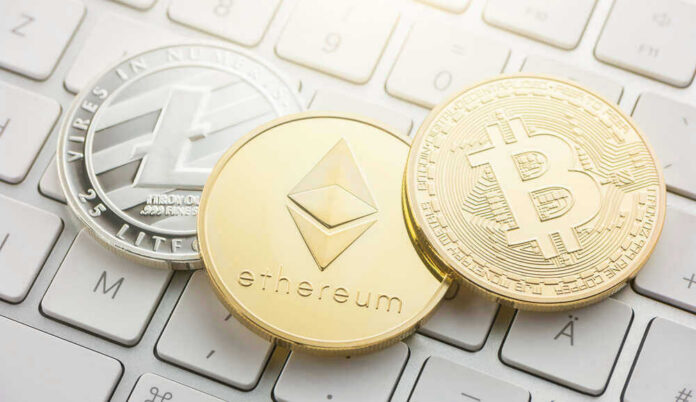
Iran has begun charging oil tankers a $1-per-barrel toll to transit the Strait of Hormuz, according to multiple sources. The requirement is unusual not because maritime transit fees are unheard of, but because Iran is demanding payment in cryptocurrency—such as Bitcoin and stablecoins—or in Chinese yuan.
The timing follows a fragile ceasefire that has allowed cautious shipping to resume after recent U.S.-Iran hostilities.
Iran is demanding that oil tankers passing through the Strait of Hormuz make toll payments in the form of cryptocurrency, including Bitcoin and stablecoins such as Tether’s USDT or the Trump family’s USD1. Vessels have been told to email Iranian authorities prior to passage… pic.twitter.com/CjMpvw8Q3X
— OSINTdefender (@sentdefender) April 9, 2026
Iran’s approach matters because Hormuz is not a niche waterway. The strait is roughly 21 miles wide at its narrowest point and is widely described as a global energy chokepoint, carrying about 20 million barrels of oil per day—often estimated at roughly 20% to 30% of world supply.
When any actor asserts new “rules” there, the impact can spread far beyond the Gulf, hitting consumers through prices and volatility.
How Enforcement Works: Screening, Routing, and IRGC Leverage
The IRGC is the practical enforcer of the new regime, with processes that go beyond a simple invoice. Shipping firms must provide details such as ownership and cargo information, and vessels may be directed along routes closer to Iran’s coast.
One account described a “friendliness ranking” used to assess risk or acceptability based on perceived links to the U.S. or Israel, alongside one-time codes or permits used to coordinate transits.
Details vary, but the cost can add up fast for the largest ships. A $1-per-barrel fee on a Very Large Crude Carrier can translate into fees approaching the low millions of dollars, depending on the cargo size.
One industry voice cited in coverage described payments being made through crypto because transactions can settle quickly and, in their view, with less exposure to seizure or interference.
Why Crypto and Yuan: De-Dollarization Meets Sanctions Evasion
The biggest strategic takeaway is the payment method itself. By steering payments toward crypto or yuan, Iran appears to be reducing reliance on the U.S. dollar and the dollar-based financial system that makes sanctions enforcement powerful.
Even when sanctions do not directly stop a ship at sea, they often constrain insurance, payments, counterparties, and compliance. Iran’s model looks designed to route around those chokepoints—at least for ships and buyers willing to play along.
That does not mean the plan is cost-free for participants. Shipping and commodity trading rely on banks, insurers, port services, and global compliance teams, many of which remain exposed to U.S. and allied enforcement.
A toll paid in stablecoins or Bitcoin may settle “in seconds,” but the legal and commercial risk can linger for months. For a ceasefire that is already described as fragile, injecting a sanctions-bypass mechanism into a vital trade corridor is a recipe for continued uncertainty.
What It Could Mean for Americans: Energy Prices and Security Risk
For Americans, the immediate question is whether this becomes another upstream pressure on energy prices. Even modest per-barrel costs can be amplified through shipping, refining, and distribution—especially if the strait’s traffic recovers toward pre-conflict levels.
Some estimates in coverage suggest Iran could raise very large sums annually if volumes normalize, though those numbers depend on assumptions that are not yet proven, given that traffic is still well below normal.
The political dimension is just as important. The Trump administration’s ceasefire opened a narrow window for stability, but Iran’s toll policy signals Tehran still intends to convert geography into leverage—while trying to blunt U.S. financial pressure.
Sources:
Iran Imposes $1 Oil Transit Fee in Crypto as Strait of Hormuz Reopens Under Fragile Ceasefire
Report: Iran Charges Crypto and Yuan Tolls for Strait of Hormuz Oil Tanker Passage
BTC Price Eyes Recovery as Iran Adopts Bitcoin for Oil Transit Fees
Iran plans bitcoin tolls Strait of Hormuz
Iran Bitcoin toll Hormuz Strait tankers