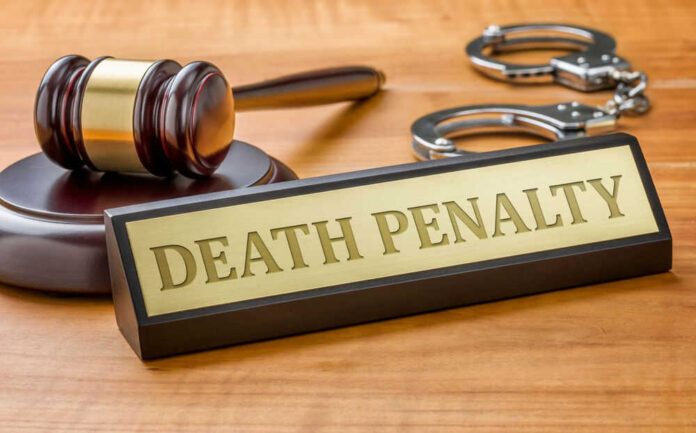
After two decades of hand-wringing, legal gridlock, and endless taxpayer-funded delays, the federal appeals court has torpedoed a plea deal that would have spared the so-called 9/11 mastermind, Khalid Sheikh Mohammed, from the death penalty—leaving Americans to wonder if real justice will ever be delivered for the worst terror attack on U.S. soil.
At a Glance
- A federal appeals court ruled the Pentagon can withdraw from plea deals that would have removed the death penalty for 9/11 suspects.
- The decision throws out years of negotiations and brings the cases back to square one.
- Victims’ families are still divided, with some demanding closure while others insist on the death penalty.
- The ruling highlights ongoing dysfunction in the military tribunal system at Guantanamo Bay.
Pentagon Scraps Plea Deals, Death Penalty Back on the Table
On July 11, 2025, the D.C. Circuit Court of Appeals ruled that the Secretary of Defense has the authority to revoke plea deals for Khalid Sheikh Mohammed and his co-defendants, all accused of orchestrating the September 11 attacks. These agreements would have taken the death penalty off the table, supposedly in exchange for guilty pleas and some measure of “closure.”
Instead, the court sided with the Pentagon and the Justice Department, who argued that only the Secretary of Defense—not military judges—has the final say. So after more than twenty years and untold millions spent, we’re right back where we started: the prospect of a real trial with real consequences for the people behind 9/11. That’s assuming, of course, the government can ever get its act together and bring this endless circus to a conclusion.
The ruling undoes an attempt to resolve the case via plea agreement, a move that enraged many who believe that the only just outcome for the architects of 9/11 is the death penalty.
The decision also lays bare the total dysfunction of the Guantanamo military commission system, where gridlock, secrecy, and endless procedural wrangling have replaced swift and certain justice. Twenty-four years after 9/11, the American people are still waiting for answers—and accountability. If you’re frustrated by government incompetence and legalistic dithering, you’re not alone.
Victims’ Families Left in Limbo—Again
Families of the nearly 3,000 innocents murdered on September 11 have spent decades caught between government promises and bureaucratic inaction. Some, desperate for closure, supported the plea deals as the only way to end the legal limbo, even if it meant forgoing the death penalty. Others view any deal as a betrayal, arguing that the only acceptable outcome for mass murderers is capital punishment.
Now, thanks to the appeals court, those who demand a full trial and the maximum penalty may get their wish—eventually. But don’t hold your breath: the same legal snags and procedural delays that have dragged this case out for two decades remain firmly in place. The military commission’s reputation for glacial pace and dubious transparency is alive and well. The only thing moving quickly at Guantanamo is the clock.
The dissenting judge didn’t mince words, calling the decision “stunning” and accusing the majority of undermining military judges’ authority. Meanwhile, the White House claims it was never told about the original plea deals—an admission that inspires little confidence in federal oversight. The Justice Department, for its part, seems content to let the process drag on indefinitely, so long as it doesn’t have to make a politically risky decision. The result? More delay, more uncertainty, and more pain for the families who have already endured too much.
A Case Study in Government Dysfunction
The 9/11 trial at Guantanamo Bay has become the poster child for everything that’s wrong with the federal government’s approach to justice, national security, and basic accountability. After years of legal and political wrangling, Congress blocked an attempt to move the trial to a civilian court, leaving it to languish in the opaque world of military commissions.
The system, created in 2006, has been plagued by questions about fairness, legality, and the use of evidence obtained under torture. No wonder it has failed to deliver results. If you thought the government might manage to resolve one of the most important cases in U.S. history with any sense of urgency or competence, think again.
Instead, we’re treated year after year to a spectacle of delays, legal appeals, and endless spending. The only people who seem to benefit are the army of lawyers, bureaucrats, and contractors making a career out of kicking the can down the road. The American taxpayer, meanwhile, foots the bill for a process that would be comical if it weren’t so disgraceful.
The big winners? Khalid Sheikh Mohammed and his fellow terrorists, who have managed to evade final judgment longer than anyone could have imagined on September 11, 2001. If this doesn’t make you question the priorities and competence of those running the show, nothing will.