

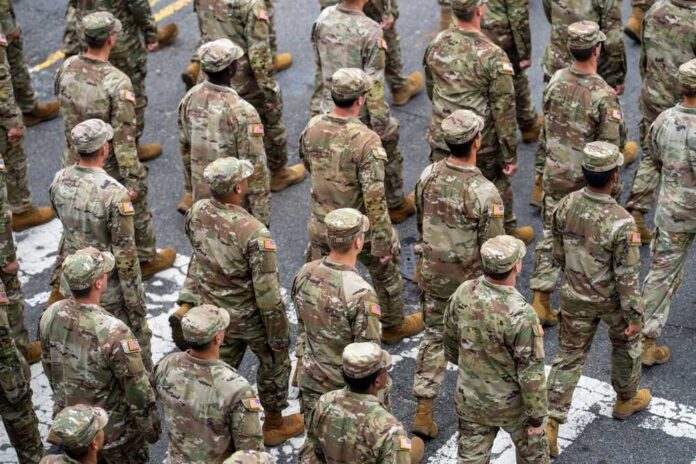
The Pentagon says the last U.S. troops left Iraq in an orderly, planned finish to a 12-year anti-ISIS mission.
Story Snapshot
- Pentagon announced completion of the Iraq withdrawal on Wednesday, ending the coalition mission against ISIS.
- Departure followed a Baghdad–Washington agreement tied to a 2024 joint statement.
- Final exit point was Erbil Air Base in northern Iraq’s Kurdish region.
- Iraqi forces now lead efforts against ISIS remnants, with U.S. support shifting to non-combat ties.
What Happened and Why It Matters
The Pentagon said U.S. troops and equipment completed an “orderly departure” from Iraq, marking the formal end of Operation Inherent Resolve inside the country. Officials tied the withdrawal to a prior deal with Baghdad that set the pace and terms, rather than a sudden exit.
The stated goal of the mission was to break ISIS as an organized military threat. Pentagon language framed the finish as the close of a successful 12-year campaign in Iraq.
The final lift-off occurred at Erbil Air Base in northern Iraq, where remaining coalition personnel departed as part of the planned drawdown.
This capped a phased transition under way since 2024, which had shifted U.S. forces from combat to advise-and-assist roles before the last units left.
Reporting over the past year tracked a steady reduction from thousands of troops to a small contingent, then to zero with this final departure. The Pentagon said Iraqi forces now lead counter-ISIS operations.
US troops WITHDRAW from Iraq as 23-year military presence NEARS END
Withdrawal set to be completed by SEPTEMBER 30 pic.twitter.com/W33Np2IDRj
— RT (@RT_com) September 29, 2026
The Path From Surge To Sunset
Washington and Baghdad structured the endgame over multiple steps, aligning on a public timeline that eased bases closed, equipment moved, and authorities handed off. Coverage across major outlets reported consistent dates and details, including the Wednesday completion.
The pullout ends more than two decades of U.S. military involvement in Iraq, including the 2014 return to fight ISIS after the 2011 withdrawal of combat troops. The Pentagon described this milestone as the conclusion of a defined mission, not an emergency retreat.
As with any large exit, exact headcounts varied by outlet and stage. Reports cited earlier levels near 4,000 during peak anti-ISIS operations, around 2,500 in advisory roles later, and roughly a hundred before the final lift.
Those ranges reflect different moments in the drawdown, not a dispute over whether the exit occurred. The core fact is settled by the Pentagon’s announcement and synchronized reporting: U.S. troops left as planned, under a bilateral framework, with Iraqi forces assuming the lead.
Security After The Hand-Off
Iraqi security forces now carry the daily burden of suppressing ISIS cells and guarding key terrain. The Pentagon’s spokesman said Baghdad will lead the continuing effort to secure the country and keep ISIS remnants down.
That track echoes the mission’s final years, when Iraqis took on more direct roles while U.S. advisors focused on intelligence, training, and air support deconfliction. The end of the coalition mission does not erase the ISIS brand, but it does mark the end of U.S. combat roles in Iraq under that banner.
This moment also resets regional politics. Some analysts warn that Iran-aligned militias may try to fill space left by the coalition, while others argue the exit removes a favorite militia target and reduces tit-for-tat risk. Both ideas can be true at once.
The sober measure now is results: whether Iraqi forces keep pressure on ISIS cells, and whether Iraqi leaders enforce a single chain of command over all armed groups. Order beats chaos. Sovereignty means responsibility.
Sources:
reuters.com, twincities.com, bostonglobe.com, stripes.com, thenationalnews.com