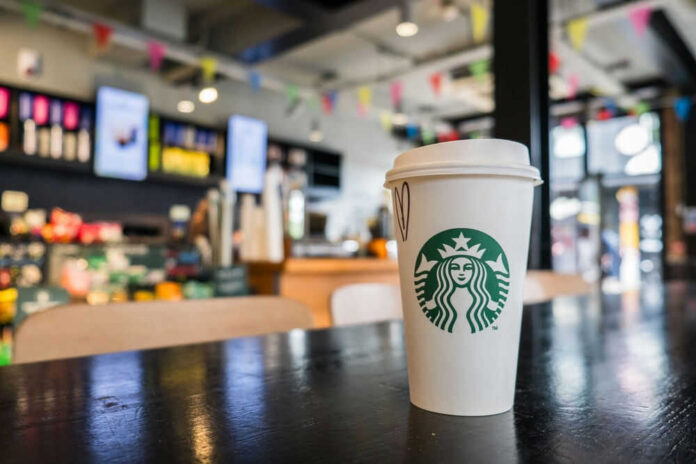
Starbucks workers across three states are suing the coffee giant for forcing them to buy new clothes to comply with a stricter dress code while refusing to reimburse the costs, potentially violating state labor laws that protect workers from bearing employer expenses.
Story Highlights
- Class-action lawsuits were filed in Illinois, Colorado, and California over Starbucks’ May 2025 dress code changes.
- Workers report spending $60-$100+ out of pocket on required black shirts, specific pants, and waterproof shoes.
- State laws require employers to reimburse necessary work expenses, but Starbucks only provided two free t-shirts.
- Legal action backed by Starbucks Workers United amid broader unionization efforts at over 640 stores.
Corporate Policy Forces Financial Burden on Workers
Starbucks implemented a new dress code on May 12, 2025, requiring employees to wear solid black shirts, specific pants or dresses, and subdued waterproof shoes.
The policy marked a significant departure from the company’s historically flexible approach that allowed colorful clothing and personal expression.
Workers immediately faced financial pressure to purchase compliant attire, with many spending their own money while earning hourly wages in an increasingly expensive economy.
Starbucks workers sue over company's new dress code's costs to them https://t.co/zxL8KRsi1B
— DailySprint (@DailySprint) September 18, 2025
The company provided only two compliant t-shirts per employee, leaving workers to cover additional clothing costs themselves. Plaintiff Brooke Allen called the policy “tone deaf” for workers living paycheck to paycheck.
This corporate decision demonstrates a concerning disregard for the financial reality facing working-class Americans who shouldn’t bear the cost of their employer’s branding decisions.
State Labor Laws Demand Employer Accountability
The lawsuits center on well-established state laws in California, Colorado, and Illinois that require employers to reimburse employees for necessary business expenses.
These protections exist precisely to prevent corporations from shifting operational costs onto workers who can least afford them.
Labor law experts confirm that mandatory work attire typically falls under these reimbursement requirements, making Starbucks’ refusal to cover the costs legally questionable.
Workers filed class-action lawsuits in Illinois and Colorado state courts on September 17, 2025, while California employees submitted complaints with the state’s Labor and Workforce Development Agency.
The legal strategy spans multiple jurisdictions, suggesting coordinated action supported by substantial legal grounds. If California’s agency declines to penalize Starbucks, the matter could escalate to a class-action lawsuit there as well.
Union-Backed Legal Challenge Gains Momentum
Starbucks Workers United, the union organizing company employees, filed an unfair labor practice charge with the National Labor Relations Board in April 2025, before the dress code took effect.
The union’s involvement highlights how this issue connects to broader labor tensions at Starbucks, where over 640 stores have unionized out of 10,000 company-owned U.S. locations since organizing efforts intensified in 2021.
The timing appears strategic, coming as workers nationwide push back against corporate policies that prioritize brand image over employee welfare.
This legal action represents more than a dispute over clothing costs—it reflects growing worker resistance to corporate overreach that treats employees as expendable resources rather than valued team members deserving basic protections.
Broader Implications for Worker Rights
This case could set important precedents for how employers handle mandatory uniform requirements across the service industry.
The outcome will likely influence whether other corporations can shift operational costs onto their workforce or must properly compensate employees for job-related expenses.
The financial burden on workers earning hourly wages demonstrates why these labor protections matter, especially during times of economic uncertainty.
Starbucks has remained silent on the lawsuits, but the company previously faced a $50 million workplace safety judgment in March 2025, indicating increased legal scrutiny of its employment practices.
The convergence of union organizing, legal challenges, and worker activism suggests Starbucks may need to reconsider policies that appear disconnected from the financial realities facing American workers today.
Sources:
Starbucks employees in United States sued over company’s new dress code – Izvestia
Starbucks workers sue over company’s new dress code – WTOP News