

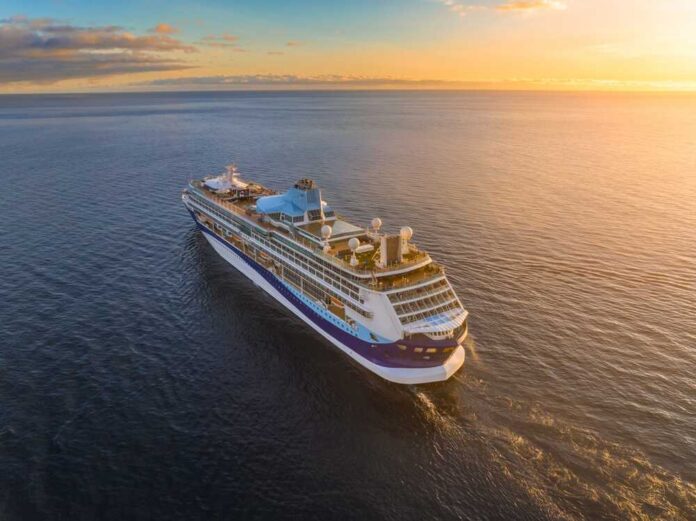
The Federal Bureau of Investigation called it a suspected homicide, and the cruise ship turned around mid-voyage to face the docks in Texas.
Story Snapshot
- The Federal Bureau of Investigation (FBI) opened a suspected homicide case aboard the MSC Seascape.
- Authorities ordered the ship back to Galveston soon after departure, according to MSC Cruises.
- Multiple agencies joined the response, including the United States Coast Guard and port police.
- A person was taken into custody in connection with a woman’s death, outlets reported.
What Triggered A Cruise Ship To Reverse Course
FBI Houston announced it was responding to a suspected homicide aboard the MSC Seascape after the ship left Galveston and then returned to port on the authorities’ instruction. MSC Cruises said staff reported a guest incident and, after that report, officials told the ship to head back to Texas. The victim was a woman, and the Galveston County medical examiner planned an autopsy, according to reporting that cited local authorities. The FBI said the investigation is active.
NBC News reported that a suspect was taken into custody in connection with the alleged homicide aboard the ship, and a Houston television station said federal authorities had a person in custody tied to the woman’s death. The ship, about 1,060 feet long, docked in Galveston for the response and later resumed its itinerary after initial actions by law enforcement and port officials were complete. No charging documents were publicly detailed in the reports cited.
How Jurisdiction Works When Crime Is Reported At Sea
Federal law sets clear steps when a serious crime is reported on a cruise ship that visits United States ports. The Cruise Vessel Security and Safety Act of 2010 requires cruise lines to report alleged homicides and suspicious deaths to the FBI and the United States Coast Guard, and to share crime data through the Department of Transportation website. That framework explains why FBI Houston publicly called this a suspected homicide and coordinated with partner agencies once the ship returned. Reporting triggers the process; final legal findings come later.
Government Accountability Office reviews show that federal agencies implemented most core safety and reporting measures, while crime-reporting transparency has needed steady work over time. The Coast Guard outlines duties on evidence preservation, medical care, and information access under the same law, which helps investigators act fast when a ship docks. Those steps give law enforcement a running start: secure the scene, identify witnesses, gather camera footage, and protect physical evidence before it degrades or disperses at sea.
Why The Turnaround Signals A Serious Case
Ordering a large cruise ship to reverse course is not routine. That choice suggests officials treated the report as a high-priority criminal matter, not a medical-only emergency, which aligns with the suspected homicide designation. Coordinated roles also explain the fast pivot. The FBI handles potential federal crimes. The United States Coast Guard manages maritime safety and assists with law enforcement at sea. Port police and Customs and Border Protection secure the dock, control access, and process people and property.
A cruise ship returned to Galveston, Texas, just hours after departing Sunday as the FBI responded to a suspected homicide aboard the vessel.
Authorities escorted 48-year-old Jason Watford off the MSC Seascape in handcuffs. A medical examiner confirmed receiving a woman’s body… pic.twitter.com/SH5YOZGldK
— CBS Mornings (@CBSMornings) November 10, 2026
This combined posture matches common-sense law-and-order priorities. Protect life. Lock down the location. Preserve evidence. Identify and separate witnesses. If a suspect can be safely detained, do it. That approach makes sense to any reader who wants swift accountability and clear answers. The cited reporting reflects that sequence: public confirmation of a suspected homicide, secure return to port, a person held, and an autopsy planned to define cause and manner of death.
What Comes Next In A Maritime Homicide Probe
The next phase depends on forensics and interviews. The medical examiner’s autopsy and toxicology guide the cause and manner of death. Investigators work cabin-entry records, ship camera video, crew logs, and passenger statements to build a timeline. If evidence supports it, prosecutors file charges in the venue with jurisdiction, which often ties to where the ship docked or where the alleged act occurred. Until then, the suspected-homicide label explains the government’s response but does not state the final legal outcome.
Sources:
apnews.com, people.com, abcnews.com, nbcnews.com, whmi.com, houstonchronicle.com, abc13.com, abc7chicago.com, gao.gov, congress.gov, transportation.gov