
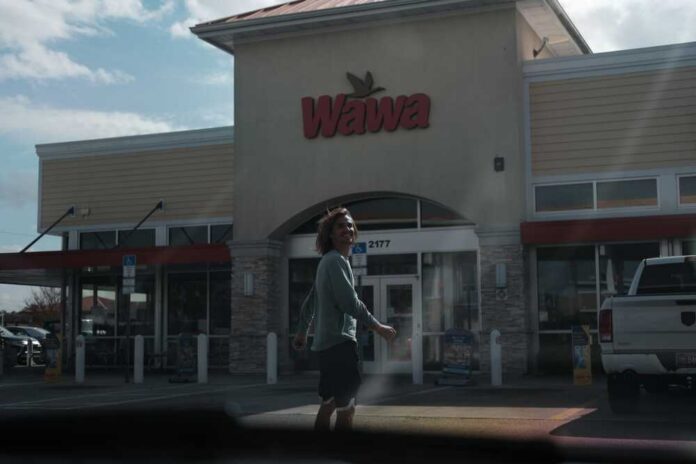
A temporary equipment malfunction at one of America’s most beloved convenience store chains just put thousands of allergy sufferers at risk, though the company’s rapid response may have prevented what could have been a life-threatening crisis.
Story Snapshot
- Wawa recalled four 16-ounce drink products across 123 stores in five states due to undeclared milk allergen contamination from equipment failure
- The affected beverages include Wawa Iced Tea Lemon, Iced Tea Diet Lemon, Diet Lemonade, and Fruit Punch sold in Pennsylvania, Delaware, Maryland, New Jersey, and Virginia
- No illnesses have been reported, and all contaminated products were removed from shelves and destroyed immediately after discovery
- The FDA warned that milk allergies can trigger serious or life-threatening reactions, making this recall critical despite the limited scope
When Equipment Failures Create Hidden Dangers
Wawa identified the contamination through internal quality control measures before any customers reported adverse reactions. The Pennsylvania-based chain, operating over 1,000 stores since 1964, discovered that shared production equipment temporarily introduced milk into beverages that should have been dairy-free.
This cross-contamination violated FDA labeling requirements under 21 CFR 101.2, which mandates clear disclosure of the “Big 8” allergens, including milk.
The equipment issue affected only a subset of 16-ounce pints, with distribution varying dramatically by product. Iced Tea Lemon appeared in 123 stores while Iced Tea Diet Lemon reached just eight locations.
The Scope and Scale of Consumer Risk
Philadelphia bore the brunt of potential exposure with at least 11 affected stores in the metro area. The recall demonstrates how regional distribution networks can limit widespread contamination while still creating significant risk for densely populated urban markets. Milk ranks among the most dangerous allergens for sensitive individuals, capable of triggering anaphylaxis and other severe immune responses.
The FDA’s stern warning about “serious or life-threatening allergic reactions” underscores why even unintentional contamination demands immediate action. Wawa’s decision to voluntarily recall and destroy inventory reflects both a legal obligation and a corporate responsibility to protect customers.
Wawa recalls 4 drink products over undeclared allergen https://t.co/V1gVhWZJf5 pic.twitter.com/In8dDWU3eH
— New York Post (@nypost) April 7, 2026
What This Reveals About Food Safety Systems
The convenience store industry relies heavily on shared equipment for beverage production, creating inherent cross-contamination risks that require constant vigilance.
Wawa’s proactive detection and response stands in contrast to recalls triggered by consumer complaints or illnesses, suggesting robust internal monitoring systems.
The chain’s cooperation with the FDA and transparent communication through dedicated recall webpages demonstrates how companies should handle potential health threats.
This incident spotlights a broader industry challenge in which efficiency and safety must constantly be balanced, particularly for chains producing fresh beverages in-house or through suppliers using multipurpose equipment.
Lessons for Consumers and Competitors
Allergy sufferers should recognize that even trusted brands can experience equipment failures, making vigilant label-checking and recall monitoring essential habits.
Wawa directed consumers to their product recall page for complete store lists, acknowledging that the affected locations varied by product. The recall’s limited economic impact, affecting roughly 200 store locations total, with destroyed inventory representing minimal chain-wide costs, may encourage other retailers to act swiftly when contamination risks emerge.
Competing chains like Sheetz might use this incident to audit their own allergen management protocols, particularly for beverages produced using shared equipment across dairy and non-dairy products.
The Bigger Picture on Allergen Accountability
No reported illnesses from this recall represent the best possible outcome, validating the value of preventive action over reactive damage control. Wawa’s 60-year reputation for fresh food and customer service faces a minor test here, one that swift corrective measures should help the company pass without lasting brand damage.
The incident reinforces why federal allergen labeling laws exist and why enforcement matters for the millions of Americans managing food allergies daily.
Equipment maintenance and cleaning protocols deserve renewed attention across the food retail sector, where a single temporary malfunction can pose hidden dangers in seemingly innocuous products like iced tea and lemonade.