

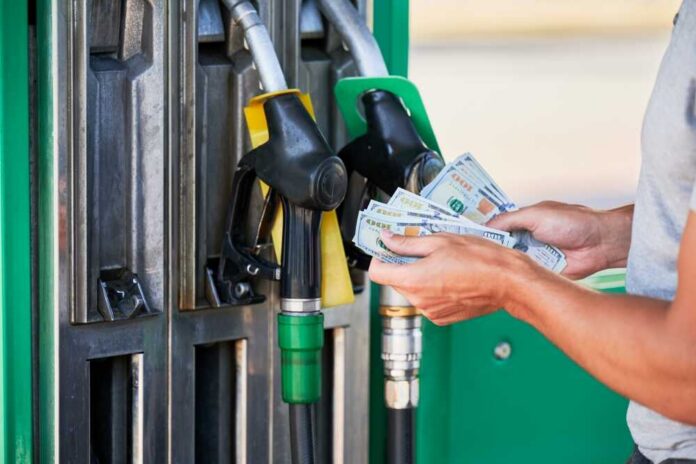
Gas prices jumped over 10 cents in a single day, with experts warning of even sharper rises as the Iran war disrupts the Strait of Hormuz.
Story Snapshot
- Brent crude surged 7% to $83 per barrel from $73, driving U.S. natural gas up 5% and gas prices higher at pumps.
- QatarEnergy halted LNG production at key facilities after attacks, spiking European gas futures 30% and LNG tanker rates over 40%.
- Maersk suspended Strait crossings amid tanker idling and fires at UAE, Saudi, Qatar sites, risking 20% of global oil flows.
- U.S./Israeli strikes killed Iran’s Khamenei, escalating threats to energy chokepoint vital for American energy security.
Strait Disruptions Spark Global Energy Chaos
The Strait of Hormuz, handling 20% of global oil and most regional LNG, faces severe disruptions from the Iran war. QatarEnergy ceased production at Ras Laffan and Mesaieed facilities following military attacks. Dozens of tankers idle off UAE and Oman coasts.
Maersk paused crossings due to high insurance risks and damaged ships. This chokepoint vulnerability exposes U.S. consumers to price shocks from foreign conflicts, underscoring the need for American energy independence that President Trump champions.
Gas prices jump over 10 cents in a day, set to rise 'very quickly' as oil surges amid Iran war https://t.co/9Zjy3csK8A
— @CTGJR (@CtgjrJr) March 3, 2026
Timeline of Escalating Strikes and Price Surges
Friday markets closed with Brent crude over $73 per barrel before war intensified. Weekend U.S./Israeli strikes killed Supreme Leader Ayatollah Ali Khamenei, pushing Brent up 8% to $78. Monday saw Qatar LNG halt and Dutch TTF gas index jump over 4 points, with freight rates soaring 40%.
Tuesday brought Brent to $83 after Fujairah terminal fire in UAE from drone interception. These rapid events differ from past symbolic threats, demanding swift U.S. action to shield families from inflation.
Saudi Arabia and UAE refineries like Ras Tanura faced strikes, though prepositioned reserves in Red Sea and elsewhere provide short-term buffers. Iran signals further infrastructure targets, heightening fears without full Strait closure. Shippers adopt wait-and-see postures, amplifying supply fears in a well-supplied pre-war market.
Consumer Pain at the Pump Hits Home
U.S. natural gas rose 5% as global chaos ripples through markets, with gas prices jumping over 10 cents daily and set to climb very quickly. Consumers face higher fuel bills amid Europe’s 30% gas surge. Gulf economies dependent on exports suffer, while shippers impose surcharges.
President Trump’s America First policies prioritize domestic production to counter such foreign-induced inflation, protecting working families from globalist vulnerabilities.
Short-term risk premiums add $13 per barrel for potential one-month disruptions. Beyond four weeks, triple-digit oil looms via storage overflows and demand destruction.
Long-term, regime change in Iran historically spikes prices 76%, though soft fundamentals could cap 2026 averages at $60 if de-escalation holds. OPEC spare capacity offers mitigation, aligning with conservative calls for limited government reliance on unstable foreign supplies.
Sources:
Strait of Hormuz Global Oil, Gas Trade Disrupt Amid Iran War
How a Conflict in Iran Could Affect Oil Markets in the Gulf Arab States
How Long Will Iran War Last? Stock Market, Oil Barrel Price – Goldman Sachs