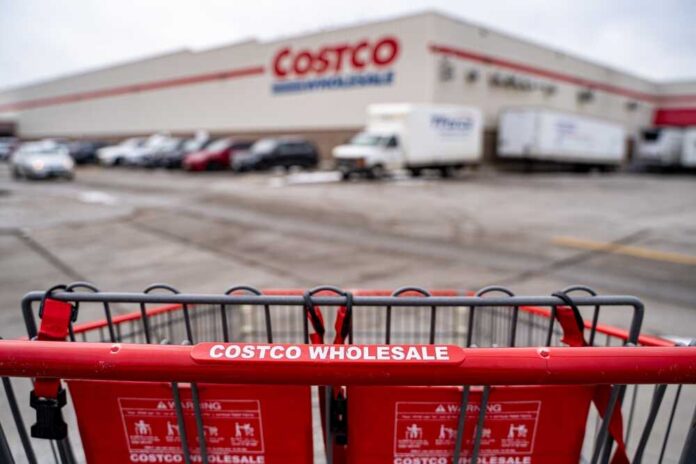
A popular electric kettle sold through Costco and other retailers is at the center of a recall that turns a routine pour into a burn risk.
Quick Take
- The recall covers Zwilling ENFINIGY electric kettles sold nationwide, including through Costco’s retail channels [1].
- Officials say the handle can loosen or separate during use, creating a spill hazard for boiling water and hot contents [1].
- The company received 163 reports of loose or separating handles, and one reported incident involved a second-degree burn [1].
- Consumers are told to stop using the kettles immediately, disable them, and dispose of them safely [1].
A Small Design Flaw With Big Consequences
The most sobering part of this recall is how ordinary the danger sounds. A kettle is supposed to be one of the safest tools in the kitchen, not a source of injury.
Yet the recall notice states that the handle on certain Zwilling kettles can separate from the body during use, potentially spilling boiling water or other hot contents onto the user [1]. That is the kind of failure that can punish a split-second mistake with a lasting burn.
Over 110K Costco electric kettles recalled after fire hazard leaves person burned https://t.co/WiREd1YT1W pic.twitter.com/uWW036pfeQ
— New York Post (@nypost) May 20, 2026
The recall matters because the complaint volume is not trivial. Zwilling said it had received 163 reports of handles loosening or separating, including five incidents tied directly to handle separation [1].
One of those incidents reportedly caused a second-degree burn [1]. That combination changes the story from a vague inconvenience into a genuine safety event. A product may survive a few consumer complaints; it cannot shrug off a pattern that includes injury.
What Products Are Included in the Recall
The affected models include ENFINIGY Electric Kettle units numbered 53101-200 and 53101-201, as well as ENFINIGY Electric Kettle Pro units numbered 53101-500 through 53101-504 [1].
The brand name ZWILLING appears on the kettle, and the model number is printed on the bottom and the power base [1]. That detail matters because recall notices live or die by identification. If consumers cannot tell what they own, the warning arrives too late to help.
About 113,440 electric kettles in the United States were recalled, with sales running nationwide from December 2019 through February 2026 [1]. That is a large enough footprint to affect many households, gift buyers, and kitchen drawers full of well-intentioned gadgets.
It also explains why the recall drew attention quickly: when a product sells widely through major retail channels, a defect stops being a niche issue and becomes public quickly.
How the Recall Remedy Works
Consumers are urged to stop using the kettles immediately [1]. Zwilling instructs owners to unplug the kettle, cut the power cord, upload a photo, and then dispose of the product safely [1].
That is a severe-sounding remedy, and for good reason. A product recall that tells people to turn off the appliance before disposal is not treating the issue as cosmetic. It is treating the item as something that should not be used to serve tea, coffee, or anything else.
The company’s response also reflects a principle that too many public warnings ignore: when a household item can injure a child, a guest, or an older adult in one bad moment, prudence beats denial.
You do not need a full engineering lecture to understand why. Boiling water does not negotiate. If a handle can fail under normal use, the consumer should not be asked to trust it again afterward.
Why This Recall Resonates Beyond One Kitchen Gadget
This case fits a familiar pattern in product safety. The public often assumes danger comes from dramatic machinery, but many injuries begin with a small mechanical weakness in everyday objects.
A kettle handle, a lid latch, a cord, or a switch can become the weak link that turns normal use into a hazard. That is why recall language often sounds blunt. It has to cut through routine habits before someone reaches for the appliance again.
The larger lesson is not complicated. Keep an eye on appliance recall notices, check model numbers before assuming a kitchen item is harmless, and treat burn hazards with the seriousness they deserve.
A kettle is not a luxury item, but neither is a burn. The speed of the recall response suggests the risk was large enough to warrant immediate action rather than casual monitoring.
Sources:
[1] Web – Electric kettles sold at HomeGoods recalled due to burn risk