A Florida widower says his wife died after eating a bag of organic blueberries pulled from Publix freezers, and now he’s suing to prove it.
Story Snapshot
- Richard Mullins filed a lawsuit in Pinellas County claiming his wife Karla died after eating recalled GreenWise frozen blueberries.
- The suit says another family member, Spencer Mullins, also got sick from the same berries.
- Federal officials tied a multistate E. coli outbreak to the blueberries and expanded the recall to all lots.
- Government tracking data through September did not list any deaths among the outbreak’s confirmed cases, creating a gap the lawsuit will need to close.
A Family’s Loss Lands In Court
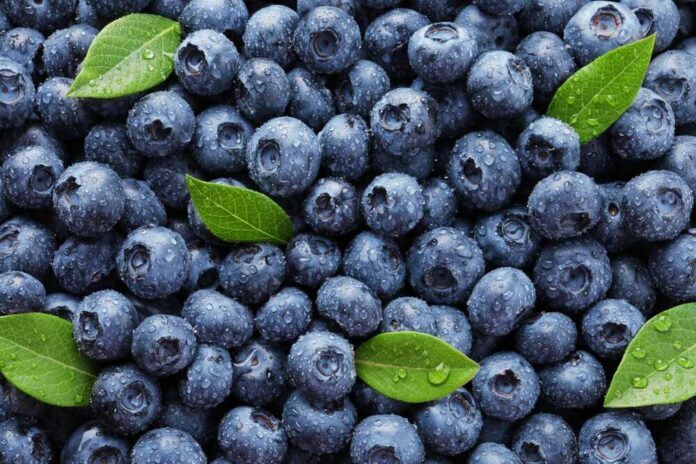
Richard Mullins filed his complaint in Pinellas County, naming Publix and two supply-chain companies. He alleges his wife, Karla, died after eating Frozen GreenWise Organic Whole Blueberries. He also says their family member Spencer got sick from the same package.
The suit points to a specific supply chain, claiming Quirch Foods Inc. supplied Publix and that a Chilean company, Frutas y Hortalizas del Sur S.A., harvested the fruit.
The lawsuit lands inside a recall that federal regulators had already flagged as serious months earlier. The Food and Drug Administration (FDA) recall notice identifies the exact product: Frozen GreenWise Organic IQF Blueberries, 10 ounces, lot code 60401, with a best-by date of February 9, 2028. That single lot went out to Publix stores in eight states before the company pulled it from shelves.
Florida woman died after eating E coli-tainted frozen blueberries from Publix, lawsuit alleges https://t.co/nb0NyIfwEf
— FOX Business (@FoxBusiness) September 23, 2026
How A Single Lot Became A Nationwide Recall
What started as one recalled lot grew fast. Publix later expanded the recall to cover all lots of its GreenWise Organic Whole Blueberries and Whole Mixed Berries, not just the original batch.
That expansion signaled health officials weren’t confident the contamination was limited to one shipment. The Centers for Disease Control and Prevention (CDC) confirmed the outbreak strain as E. coli O145:H28, a dangerous toxin-producing bacteria that can cause severe illness.
Lab testing added weight to the concern. The CDC reported that Publix collected and tested samples of its own GreenWise blueberries, and one sample came back positive for the exact outbreak strain making people sick.
That is a meaningful data point. It links the product itself, not just consumer complaints, to the bacteria circulating through the outbreak.
The Case Count Question That Complicates The Lawsuit
Here is where the public record gets complicated for the family’s claim. Multiple outbreak updates from health authorities counted 12 confirmed illnesses tied to the blueberries, a number that later grew to 17 as more cases surfaced in Florida and Georgia.
But those same federal tallies, through their final updates, did not list any deaths connected to the outbreak. That gap does not disprove the family’s account. It does mean the lawsuit will carry the burden of proving what the government’s own case count did not capture.
This is not unusual in food-poisoning litigation. Outbreak investigators track confirmed lab-matched illnesses, not every downstream health event a family believes is connected.
A death can occur from complications tied to an infection without ever appearing in a public health agency’s running tally, especially if it wasn’t reported through the same channels or confirmed with matching lab work in time.
What The Lawsuit Will Need To Prove
Winning this case likely means more than pointing to a recall notice. The family will need medical records, autopsy findings, and lab confirmation tying Karla Mullins’ death specifically to the E. coli strain named in the outbreak.
Receipts, freezer photos, or loyalty-card records showing the household actually bought lot 60401 would strengthen the timeline connecting purchase, consumption, and illness.
Common sense says a family grieving a sudden death deserves real answers, not corporate silence or bureaucratic shrugging. At the same time, a recall notice proves a company acted responsibly once it learned of contamination risk.
It does not automatically prove a specific death. Courts will sort out where responsibility lands, but Publix pulling every lot from shelves shows a company that took the danger seriously rather than downplaying it.
The outbreak investigation officially closed in September after health officials declared it over. For the Mullins family, though, the fight is just beginning.
Their case now rests on turning a public health statistic into a courtroom fact, and proving that grief has a name, a lot number, and a bag of blueberries behind it.
Sources:
foxbusiness.com, goodhousekeeping.com, wsbtv.com, fda.gov, local3news.com