
President Trump’s revived attacks on voting machines run headfirst into the paper-trail reality that already checked the counts and confirmed the winners.
Story Snapshot
- Election officials created paper backups, audits, and recount paths to verify machine counts.
- Security bodies said no voting system deleted, lost, or changed votes in 2020.
- Georgia’s hand tally compared to machine results and affirmed the winner.
- Glitches and delays occurred, but officials reported fixes and safeguards.
The Claim Meets The Controls
Trump questions midterm results and again targets voting machines. The question is direct: did machines miscount votes or hide tampering? The authoritative record says no. Federal election-security officials from the Department of Homeland Security’s election councils stated that no voting system was shown to delete, lose, or change votes in 2020, and they called that election the most secure in American history. That statement also laid out why confidence is warranted: paper records, certification, testing, and audits backstop the machines.
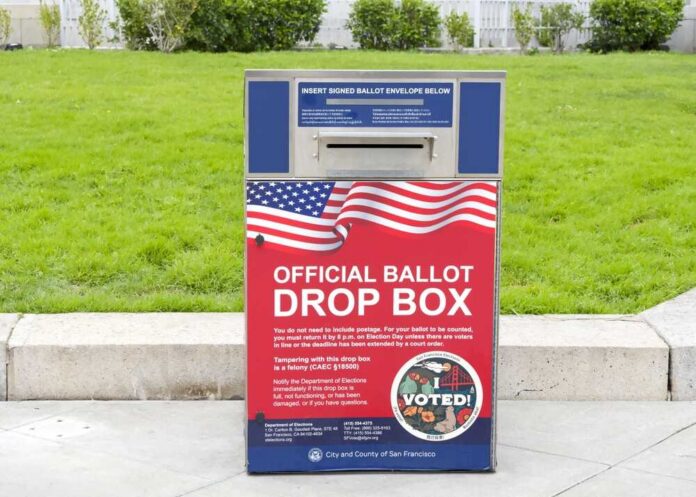
Machines are not magic. They are tools inside a system built with checks. States certify equipment. Local officials test before each election. Most voters use paper ballots that can be counted by hand if needed. Those layers make it hard for any undetected, outcome-changing scheme to slip through. When technology hiccups, paper covers the gap. Reporters documented glitches that slowed reporting, but officials said they were fixed, and paper options stayed available.
What The Paper Proved
Georgia supplied the hardest test: count every presidential ballot by hand. The statewide manual tally reaffirmed the machine outcome, with differences in the small band that hand counting normally creates. That is the point of audits. If a tabulator had quietly moved large numbers, a full hand count would show it. It did not. State officials also said the paper-ballot system counted and reported the result accurately, and that machine audits showed no evidence of tampering.
Nationally, the federal councils said states had paper records in close contests, and recounts could catch and correct mistakes. This is ordinary, not exceptional. In competitive races, campaigns can and do request recounts. The recounts test the machine totals against the paper. The 2020 cycle used this design. No official recount documented a machine-driven, outcome-changing flip. That record does not mean machines are perfect. It means the paper trail did its job when it mattered.
🚨GEORGIA ELECTION ALERT: 1,069 EARLY-VOTING BALLOTS AFFECTED BY SCANNER FAILURES IN FULTON COUNTY!
Two scanner failures in Fulton County, Georgia, have affected 1,069 early-voting ballots, prompting election officials to propose modified counting procedures on Election Day.
🗳️… pic.twitter.com/JHOJboPSmM
— LindellTV (@RealLindellTV) November 3, 2026
Glitches, Gaps, And What They Actually Mean
Glitches happened. They always do in complex systems. The key is whether errors were fixed and whether backups exist. Officials told the public they’re detected and corrected problems, and that paper ballots allowed voting to continue and results to be checked. Treating every glitch as proof of fraud misses the chain of custody that follows. The system compares totals, reconciles ballots, and cross-checks reports. Without a specific precinct, machine image, or audit log showing altered votes, the fraud claim remains an assertion, not evidence.
American conservative values point to a clear standard: verify with evidence, fix what is broken, and respect lawful results. Paper ballots, recount rules, and public audits align with that common-sense playbook. They keep the count honest without burning down the process. The federal councils’ statement came during a Republican administration, which makes the finding stronger, not weaker, for readers who want accountability without theater. The safeguards are not a concession to critics; they are the reason the counts held.
How To Scrutinize Without Burning Trust
Demanding scrutiny is fair. Demanding seizures or bans without a factual case is not. If critics want to test the claim, target the evidence that matters: ballot-level records, scanner logs, and audit trails in the closest races. Compare machine totals to paper, precinct by precinct. That is the right battlefield for truth. The existing institutions described that path in 2020 and used it. The results matched the machine counts where it counted most: in certified totals and verified recounts.
Sources:
kpbs.org, cisa.gov, engadget.com, sos.ga.gov, ajc.com