

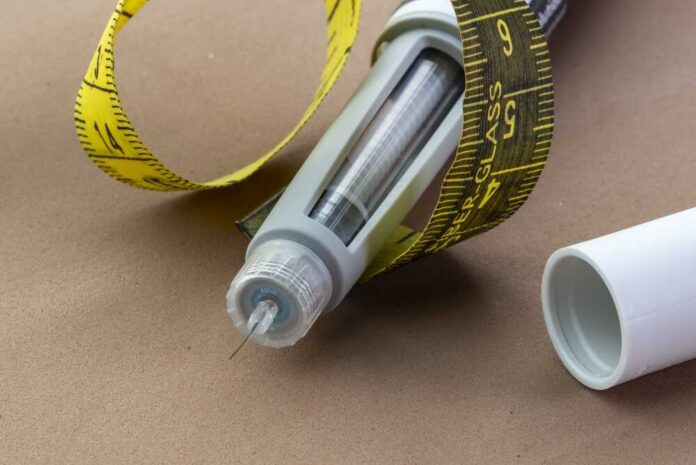
A new injection trimmed dangerous organ-hugging belly fat by about 12% on MRI in early human testing.
Story Snapshot
- Participants received lower-abdominal injections of CBL-514 every three weeks for up to 12 weeks.
- MRI scans showed an average 12.01% drop in visceral fat with treatment; placebo rose 5.68%.
- Randomized Phase 2 designs underpin the claim, with placebo control and imaging endpoints.
- Published data already show local subcutaneous fat loss versus placebo after CBL-514.
What the early trials found, and why MRI matters
Investigators tested CBL-514 as a series of small injections across the lower abdomen. Dosing reached as high as 600 milligrams, spaced every three weeks, for up to four sessions. Four weeks after the last treatment, magnetic resonance imaging showed a mean visceral fat reduction of 12.01% in the active group. The placebo group’s visceral fat rose 5.68% over the same span, also measured by magnetic resonance imaging. Imaging offers a direct view of fat depots that bathroom scales cannot.
Randomized, placebo-controlled designs strengthen the signal. Clinical-trial records describe Phase 2 studies with single-blind randomization, including programs that enrolled dozens to more than one hundred adults. That framework helps isolate a drug effect from noise, diet drift, or holiday eating. The magnetic resonance imaging endpoint anchors the visceral-fat claim to an objective anatomic readout rather than weight alone. That design choice fits common sense and aligns with how clinicians think about metabolic risk.
How this differs from ordinary weight loss
Most diets and many drugs shrink fat cells by draining stored energy. CBL-514 is being studied for a different aim: reducing local fat volume in the treated area. A published randomized Phase 2 trial reported a statistically significant drop in abdominal subcutaneous fat volume versus placebo at four and eight weeks after treatment, confirming a local effect where the injections were placed. That matters because belly fat has layers. Subcutaneous fat sits under the skin; visceral fat packs around organs and drives much of the risk.
The visceral-fat headline stands out because organ-surrounding fat links to insulin resistance, fatty liver, and heart risk. Lifestyle studies suggest that when visceral fat falls by about 10%, insulin-resistance scores can improve over time. That pattern supports the idea that where you lose fat matters, not just how much. Still, a single magnetic resonance imaging snapshot is not the same as a long-term health outcome. Trials must track whether the reduction lasts and whether lab markers move in step.
Dosing, timing, and what comes next
The programs described injections every three weeks across a 12-week window, then a four-week pause before the magnetic resonance imaging check. That schedule helps separate acute swelling from true volume change. The Phase 2 portfolio also includes pharmacokinetic work to map how the compound moves through the body and how long it lingers. Future studies can build on that map to refine dose, spacing, and total treatment cycles that balance effect size, comfort, and safety.
New injection CBL-514 shown to reduce visceral fat in human trialshttps://t.co/XjXKfFoDwz
— Ahsan Ali (@imsn_official) October 11, 2026
Regulators and clinicians will ask three practical questions. First, durability: does visceral fat stay down at three, six, and twelve months without rebound? Second, translation: do fasting insulin, hemoglobin A1c, liver fat, or blood pressure improve along with magnetic resonance imaging? Third, specificity: does the drug target fat tissue without collateral injury to nearby structures? The current published human data already show local subcutaneous fat reduction with a strong placebo-controlled signal. The reported visceral loss on magnetic resonance imaging adds energy to the case, but longer follow-up will decide clinical value.
Where conservative common sense lands today
Health systems should reward tools that reduce risk at the source and do so efficiently. A shot series that trims organ fat without daily drugs or surgery sounds like a win for patients and payers. The early data justify more study with clear endpoints and transparent reporting. That means prespecified magnetic resonance imaging analyses, metabolic labs, and safety readouts posted in full. The randomized Phase 2 groundwork is in place, and the peer-reviewed subcutaneous-fat loss strengthens credibility. One brief caveat is appropriate: the visceral-fat percentage comes from early-phase imaging at a short interval.
Bottom line for patients and doctors
CBL-514 produced a double-digit drop in visceral fat on magnetic resonance imaging within weeks of the final injection, while placebo edged up. Randomized designs and published subcutaneous-fat results suggest a real local fat effect in the treated area. The next wins would be durability and metabolic proof, measured the same careful way as the imaging. If those arrive, this could become a clinic-based option that targets the fat that matters most, and does it with precision.
Sources:
clinicaltrials.gov, academic.oup.com, clareohealth.com, fda.gov