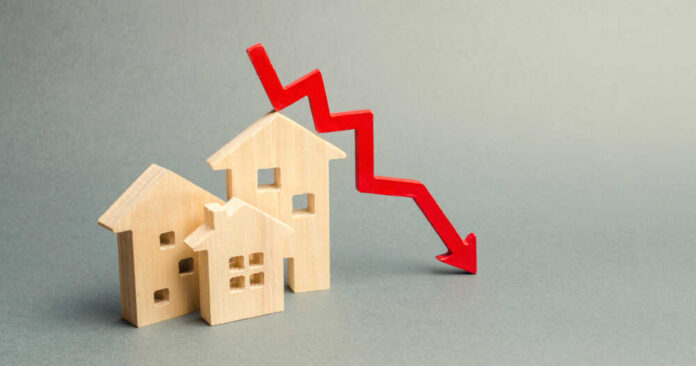
You now need about a six-figure salary to buy a typical American home, and that shift is reshaping the market.
Story Snapshot
- Harvard researchers say a household needs roughly $120,000 to afford a typical home today [2][5].
- Monthly payments on a median-priced home reached about $3,100 in late 2025 [5].
- The share of affordable listings for moderate earners has plunged since 2019 [2].
- Affordability varies sharply by metro; many places clear $100,000-plus just to compete [1].
The affordability bar jumped, and it is shutting buyers out
Harvard’s Joint Center for Housing Studies reports that the income needed to buy a typical home is now about $120,000. That figure locks many would-be buyers out who earned enough five years ago but do not today.
The same brief points to mortgage payments of near $3,100 per month by late 2025, which helps explain why sales stalled and starter homes are out of reach for average families [5]. Report coverage repeats the $120,000 threshold and a market “subdued” by high costs [2].
Income required to afford a median-priced home has almost doubled since 2020, report finds https://t.co/Q3DcSs9wXP pic.twitter.com/3lyJaHuJ15
— New York Post (@nypost) June 19, 2026
Sticker shock is not the whole story. Payments exploded because home prices leaped and mortgage rates stayed high. That one-two punch stretched the gap between what a median family earns and what a median home costs. Harvard’s lead author called the gap the widest on record.
Markets respond to price signals, and here the signal is brutal: fewer listings that normal earners can buy, more time on the sidelines, and more households postponing family and career plans to wait it out [2].
One nation, many markets: income hurdles swing by city
National numbers grab headlines, but the local bill decides who wins a house. The Harvard report shows the income needed to afford the median home cleared $100,000 in 169 of 387 metro areas in 2025.
That rise from 31 metros earlier in the decade shows how far the squeeze has spread. But it also shows that conditions differ by region, which is why one-size national fixes often miss the mark and why buyers must plan market by market [1].
Trade groups echo the strain but from a listings view. The National Association of Realtors says households earning $75,000 can afford about a fifth of active listings, and those earning $100,000 can afford about a third.
That is progress from a year earlier, yet most middle-income buyers still cannot reach most homes. Inventory rose, but not the kind at prices that meet typical paychecks, which keeps demand muted and churns frustration [17].
Renters feel the squeeze, and that feeds the ownership freeze
Rents cooled slightly in new leases, but cost burdens for renters hit record highs. Nearly half of renter households paid more than 30 percent of their income for housing in 2024.
Many in the $45,000 to $75,000 range are now stretched, which cuts savings for down payments and keeps first-time buyers out of the queue. When the rental ladder breaks, the homeownership ladder does too, and the entire housing pipeline slows to a crawl [6][7].
A new Harvard housing report finds high home prices, mortgage rates and affordability challenges are slowing household growth and keeping the U.S. housing market subdued, with many young adults delaying homeownership and even forming their own households.https://t.co/FSKxlbzuSe
— WLOS (@WLOS_13) June 21, 2026
This says prices rise when supply trails demand. The evidence lines up. Builders added homes, but not enough in the price bands where most families shop. Local rules that slow approvals or block density reduce the supply of smaller, cheaper homes.
Aligning with local control and market freedom, the better fix is to cut red tape, speed permits, allow more types of housing on less land, and let builders meet demand. Federal aid can help the poorest renters, but markets need room to work [3][17].
What buyers and policymakers can do now
Buyers should widen their search radius, hunt rate buydowns, and target homes that need modest work to win value others overlook. Sellers should price to the payment, not to last spring’s comps, and consider concessions that lower monthly costs.
Policymakers should streamline zoning for duplexes and courtyard apartments, fast-track infill development, and reduce fees that inflate entry-level prices. Transparent property tax and insurance rules can also steady the payment shock that scares off families at the closing table [2][17].
Expect the headline income bar to inch with rates. If mortgage rates drift down, the monthly payment eases and the required income softens. But without more supply, especially sub-$300,000 homes, the relief will be limited and short. The range of local outcomes will persist.
The metros that prune regulation and permit more units will rebuild affordability first; the ones that do not will keep exporting their families to places that will [1][17].
Sources:
[1] Web – Income needed to afford a median-priced home has nearly doubled since …
[2] Web – [PDF] The State of the Nation’s Housing 2026
[3] Web – Housing market ‘subdued,’ as household growth held back by …
[5] Web – Harvard’s 2026 Rental Housing Report Points to a Softer Market with …
[6] Web – Ten Takeaways from the 2026 State of the Nation’s Housing
[7] Web – New Report Finds Cooling Rental Markets, But Affordability Crisis …
[17] Web – [PDF] Housing Affordability in the United States: Trends, …