A three-story shrine to affordable seafood in the heart of Times Square is shutting its doors, and the real story is not just about shrimp but about what happens when construction, conversion, and corporate retreat collide.
Story Snapshot
- Red Lobster’s Times Square flagship is closing June 14 after 23 years of business in the crossroads of the world.[2][3]
- The company blames years of scaffolding, blocked access, and a looming office-to-residential conversion for making the site economically unsustainable.[1][2][3]
- The closure comes on the heels of Chapter 11 bankruptcy and more than 100 other restaurant shutdowns across the chain.[3]
- This is a case study in how big-city construction and policy choices quietly kill once-thriving middle-market businesses.
How a Tourist Magnet Became a Financial Dead End
Red Lobster planted its Times Square flag in 2003, betting that a three-story seafood palace at 5 Times Square could turn endless tourists into endless shrimp sales.[2][3] For 23 years, that bet largely worked.
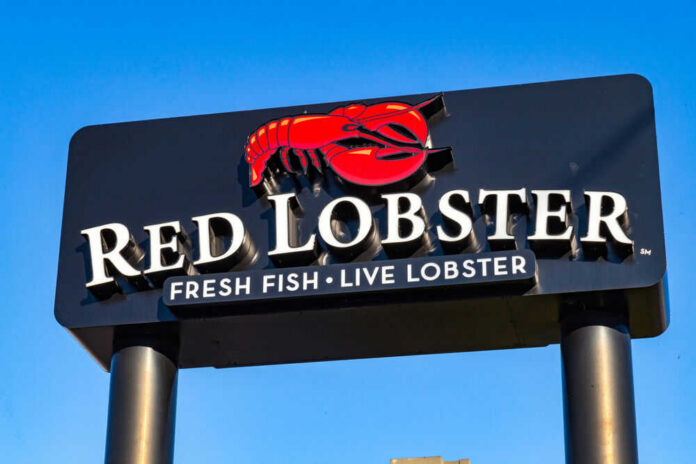
This was not some sleepy outpost; it was a recognizable landmark on Seventh Avenue between 41st and 42nd Streets, with massive signage aimed squarely at the camera phones and charter buses below.[1][2] Then the construction arrived and refused to leave.
Scaffolding swallowed the façade, blocking sightlines and forcing “open during construction” banners to do the work once handled by neon and foot traffic.[1] Company spokespeople say prolonged construction hammered access, visibility, and walk-in business until the numbers no longer penciled out.[1][2][3]
The chain now calls the location “no longer viable,” corporate-speak for: the rent and headaches outran the receipts. Anyone who has tried to find a doorway behind New York scaffolding understands how that happens long before accountants confirm it.
Construction, Conversion, and the Quiet Role of Policy
The building itself is no longer really a restaurant building. New York State’s Empire State Development agency and the city are working to convert vacant office space at 5 Times Square into hundreds of apartments.[1][2] Red Lobster points directly to that office-to-residential overhaul as part of the rationale for shutting down.[1][2][3]
When a tower’s entire economic logic changes, ground-floor retail becomes collateral damage, especially if government incentives favor conversion more than business continuity.
Red Lobster to close Times Square restaurant after more than 20 years https://t.co/1XYXrwVQOm
— FOX Business (@FoxBusiness) June 1, 2026
Supporters of these conversions argue that replacing hollowed-out offices with housing helps fix downtown vacancy and the city’s housing crunch. That may be true on a macro chart, but the ground-level effect is clear: long-term tenants face years of disruption with no guarantee of future payoff.
When scaffolding and construction rigs turn a marquee spot into a maze, the free market is not really free; it is nudged by zoning decisions, subsidies, and planners who answer to city hall, not to diners. From a common-sense vantage point, if public policy helps create the mess, public officials should at least admit the tradeoff.
Bankruptcy, Chain Retrenchment, and What Is Left Unsaid
This closure did not happen in isolation. Red Lobster entered Chapter 11 bankruptcy in May 2024 and has closed more than 100 restaurants in recent years.[3] In that filing, the company already marked Times Square as a location that might need to go.[3]
So while construction is real, it is also convenient framing for a chain that must cut high-rent, high-drama stores to keep the rest of the portfolio alive. The flagship became another line item in a national retreat.
🚨 END OF AN ERA:
The Red Lobster in Times Square is closing after 23 years in operation.
The iconic Midtown location will reportedly shut its doors due to ongoing construction impacts in the area.#NYC #TimesSquare #RedLobster #Manhattan #UnfiltNY pic.twitter.com/b6fUSCzEhw
— UnfiltNY | NYC News (@UNFILTNY1) June 1, 2026
Reporters and analysts point to a list of self-inflicted wounds: aggressive promotions like all-you-can-eat shrimp, rising seafood costs, and a tough casual-dining environment.[2][3] None of those problems started on Seventh Avenue. Yet the company’s official statement leans heavily on local construction, not on corporate missteps or political constraints.
That communications pattern is familiar: blame the scaffolding, mention the conversion, and glide past the boardroom. For consumers, the result is the same—a darkened doorway where a reliable, mid-priced meal once stood.
A Symbol of What Happens to the Middle
The loss of this Red Lobster is not a culinary tragedy; New York still has world-class seafood. It is, however, one more sign that the middle of the market is being squeezed from both ends. Tourists with money drift to ultra-branded experiences and celebrity chefs; locals seek cheaper, faster options or stay home.
Chains that once offered a predictable, modestly priced night out now face high urban rents, complex regulations, and disruptive construction with little margin for error.
When a household name cannot survive 23 years into its run at one of the most trafficked corners on earth, the signal is loud. A mix of government-driven building policy, corporate strategy, and prolonged construction can quietly erase the kind of place many families relied on for a big-city treat they could actually afford.
The Times Square Red Lobster is closing on June 14, but the bigger story is whether cities still have room for the middle-class restaurant in the middle of town.[2][3]
Sources:
[1] Web – Red Lobster to close Times Square restaurant after more than 20 years
[2] Web – Red Lobster’s Flagship Times Square Restaurant Is Closing After 23 …
[3] Web – Red Lobster to close Times Square location, citing construction