
President Trump’s investment accounts executed more than one hundred Nvidia trades while Nvidia’s chief gained unusual White House access and attention from national security briefers.
Story Snapshot
- Trump-linked accounts reported at least 103 Nvidia trades since his return to office.
- Disclosures show Nvidia holdings rose to about $13 million to $62 million by August 2026.
- Trump received briefings about an alleged Chinese intelligence matter tied to Jensen Huang in 2025 and 2026.
- The administration allowed limited Nvidia H200 exports to China after meetings that included Huang.
What the disclosures show about Nvidia trading
Financial disclosures reviewed by reporters show Trump’s investment accounts made at least 103 Nvidia purchases and sales after he returned to the White House. Estimated aggregate transaction values range from about $27 million to $97.5 million across the period reviewed. During the first eight months of 2026 alone, those transactions totaled an estimated $9.4 million to $28.3 million. The reports also describe tens of thousands of trades across the portfolio, which backers cite to frame Nvidia activity as one slice of a large program.
By late August 2026, Trump’s reported Nvidia holdings had grown substantially from the end of 2024. The estimated value stood between roughly $13 million and $62 million, up from about $615,000 to $1.3 million at the end of 2024. Those figures come from ranges in the official disclosures and do not reveal exact share counts, entry prices, or net gains. They do show that Nvidia became one of the largest named positions in the reported holdings.
National security briefings and Huang’s access
Trump received an intelligence briefing in October 2025 about a suspected Chinese intelligence operation tied to a woman linked to Jensen Huang, according to published accounts. A later account said a United States official and other sources described a second briefing on May 12, 2026, delivered by Secretary of State Marco Rubio aboard Air Force One. That second briefing occurred shortly before Huang joined Trump on a state visit to China, according to those reports.
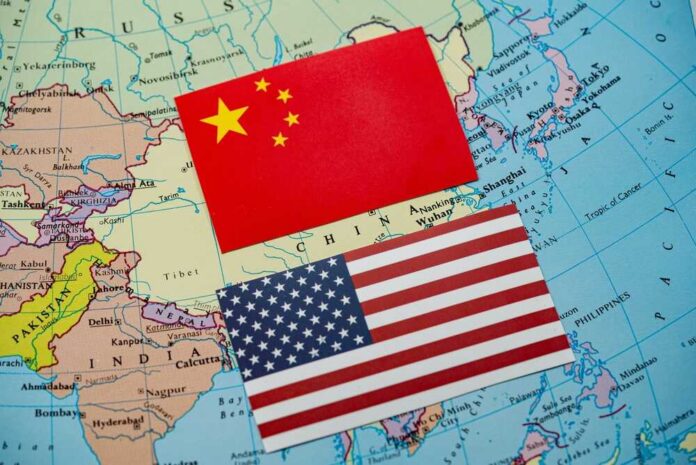
After meetings that involved Huang, the administration approved controlled exports of Nvidia’s H200 chips to approved customers in China. Trump announced the approach on December 8, 2025. Coverage described a structure that required a 25 percent payment to the United States government. Supporters framed the plan as a way to keep leverage, maintain some market access, and direct money back to taxpayers. Critics argued it risked aiding China’s artificial intelligence progress.
Where ethics law meets presidential practice
Federal conflict-of-interest statutes do not bind the president the same way they bind most executive branch employees. Past presidents have used voluntary steps such as disclosure, recusals, divestment, or blind trusts to reduce perceived conflicts. Securities law still applies, including the Stop Trading on Congressional Knowledge Act, which confirms that officials cannot trade on material nonpublic information gained through their jobs. That line—appearance versus proof—drives much of today’s debate.
The disclosures and reporting establish timing and access but do not identify a specific flow of material nonpublic information into a particular trade. CNBC reported that a White House spokesperson said independent advisers manage Trump’s portfolio without his input, and the Trump Organization said the setup aims to avoid even the appearance of a conflict. That claim aligns with a common-sense conservative view: clear rules, strong guardrails, and accountability without criminalizing routine policy engagement.
Congressional scrutiny and what comes next
House Republican committee leaders requested a closed-door briefing with Huang. Their letter cited significant national security concerns about the People’s Republic of China’s potential access to sensitive United States technology and information. That request tracks with long-standing priorities: tighten export controls, protect chip leadership, and keep decision-making free from hidden leverage. Huang has publicly denied knowing the woman was tied to Chinese intelligence, and Trump has said he believes him.
Further clarity depends on records that show who knew what and when. A full trade-by-trade ledger could be matched to meeting logs and policy dates. Intelligence brief summaries, if releasable, could separate national security risk from securities-relevant information. Commerce and congressional files could show how export decisions formed. Conservative governance priorities point to a clean test: show the dates, show the data, and let the facts drive any consequence—not the headlines.
Sources:
cnbc.com, washingtonpost.com, abc7.com, news24.com, fortune.com