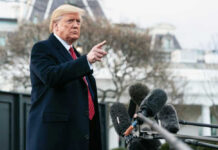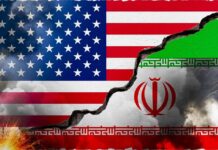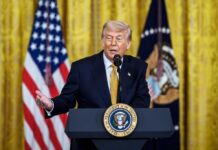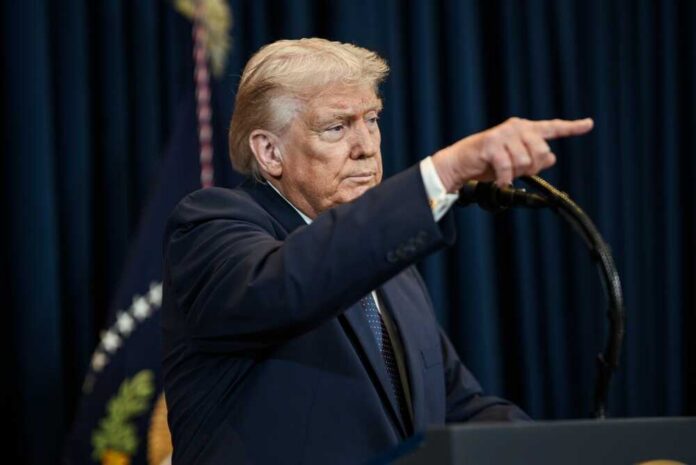
President Trump unveiled an “Economic D-Day” to choke Iran’s cash flows and warned that any nation bankrolling Tehran will face “tremendous” costs.
Story Highlights
- Trump is shifting from new strikes to maximum economic pressure on Iran.
- Treasury plans unprecedented measures targeting Iran’s oil, shipping, and finance links.
- Sanctions and a naval blockade aim to drain Tehran’s revenue and limit aggression.
- Research shows sanctions bite hard economically, but political results can vary.
Trump Sets “Economic D-Day” Against Tehran’s Wallet
President Trump said his administration is “low-keying it” on new strikes while turning the screws on Iran’s economy. He described Iran as cash-starved and inflation-hit, and said the United States would keep piling on financial pain until Tehran changes course.
His warning extended to countries and firms that help Iran skirt restrictions. The message was simple: do business with Iran’s regime and face severe costs. The White House framed this as pressure without new large-scale combat.
NEW: President Trump is turning up the pressure on Iran, announcing what he calls the "MOST CRUSHING ECONOMIC OPERATION EVER TAKEN AGAINST ANY COUNTRY."
"This will be Economic Warfare and Isolation on an unprecedented scale."
"I am also announcing that ANY country that allows… pic.twitter.com/2bt1LIKf5S
— FOX Business (@FoxBusiness) August 20, 2026
The shift follows months of strikes, sanctions, and a blockade that already strained Iran’s trade. Trump’s team believes Tehran’s weak balance sheet is now the key pressure point.
The goal is to stall oil sales, freeze access to dollars, and tighten enforcement across ships, banks, and brokers. Supporters argue this path saves American lives, preserves military options, and reminds adversaries that the dollar system has teeth. The strategy leans on past playbooks, but with wider, faster enforcement.
What The New Economic Offensive Could Hit Next
Reporting says the Treasury Department is readying actions “never seen,” signaling broader designations and secondary penalties that scare off third-country buyers, insurers, and financiers.
That may include cracking down on front companies, ship-to-ship transfers, and digital asset channels used to move money around sanctions walls. A tougher blockade posture would add more risk and cost to Iran’s oil exports. Each step aims to isolate Tehran from global markets and dry up the regime’s war chest.
Past pressure campaigns targeted oil, banks, metals, aviation, and shipping. This round appears set to widen linkages, speed blacklisting, and punish compliance failures faster.
The basic pressure chain is clear: without steady oil revenue and bank access, Iran struggles to pay proxies, buy weapons, and stabilize prices at home. That squeeze raises domestic costs for the regime and narrows its options abroad. Officials present this as leverage to force better behavior without another war surge.
Why Economic Pressure Fits Conservative Priorities
Americans support tools that punish enemies while avoiding open-ended wars. Economic power lets the United States hit terror sponsors in their wallets and protect American troops.
It backs strong borders and energy independence by stopping Iran from using oil cash to menace shipping lanes and fund militias that destabilize allies. It also upholds a core rule: if you help a hostile regime, you will pay a price. That clarity deters bad actors without bloated nation-building.
This path also recognizes the long history of sanctions on Iran. The Treasury Department describes a multi-law framework that can be tightened across time and domains. A 2018 effort reimposed major measures after the nuclear deal waivers ended, setting a tough baseline that today’s actions can build on.
That continuity matters. It shows allies, banks, and shippers that Washington will enforce rules and keep closing loopholes, not blink when Tehran probes for gaps.
The Hard Truth: Sanctions Hurt Economies; Results Take Work
Studies show sanctions can slam oil exports, weaken exchange rates, and drive inflation and lower growth in target countries. That is the economic bite Trump wants Tehran to feel now.
But experts also note that while pain is certain, political outcomes can be mixed or slow. Sanctions can lose some punch over time if targets adapt, and success often depends on tight enforcement and partner support. That is why this campaign stresses speed, scope, and secondary penalties.
Trump announces Economic D-Day against Iran, targeting oil, trade, shipping & financial networks.
Secondary sanctions could raise global pressure.
📊 Potential impact: Oil ↑ | Gold ↑ | USD ↑ | Risk Sentiment ↓ Key risk: supply disruptions or wider escalation.#trump pic.twitter.com/LotAMZAfav
— Carlos And Company (@carlosandcompny) August 20, 2026
The test ahead is clear. If Washington sustains intense financial pressure and blocks workarounds, Iran faces shrinking cash and shrinking choices. If third countries see the risk and step back, the squeeze deepens.
President Trump’s warning to backers of Iran raises the stakes further: pick Tehran and lose access to the U.S. market and dollar system. For Americans who want strength without endless wars, this is a constitutional, accountable way to keep faith with our troops and secure our interests.
Sources:
aljazeera.com, cnbc.com, reuters.com, fortune.com, finance.yahoo.com, state.gov