
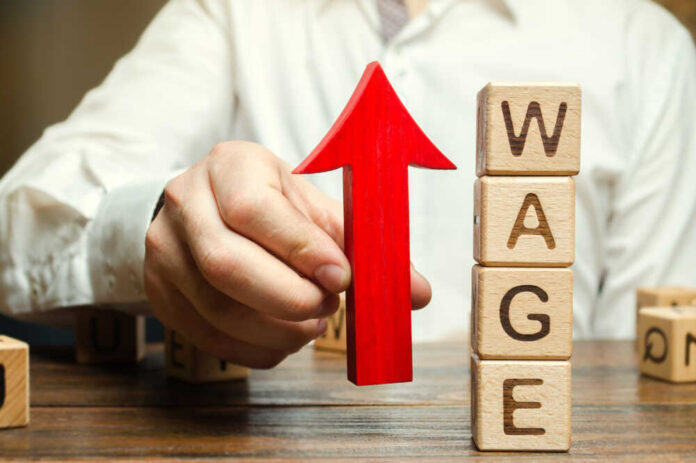
Seattle promised delivery drivers a raise, and their pay on paper doubled overnight—but new research shows most never saw the extra money.
Story Snapshot
- Seattle’s 2024 gig-worker pay law doubled the base rate delivery apps must pay drivers per task, from $5.37 to $12.52.
- DoorDash reported 30,000 fewer delivery requests and $1 million in lost revenue within two weeks of the law taking effect.
- New academic research finds drivers’ total monthly earnings barely changed because tips dropped and available tasks shrank.
- Uber Eats has paid Seattle more than $15 million in back pay and fines for allegedly violating gig-worker protection laws.
What Seattle’s Pay Law Actually Requires
Seattle’s App-Based Worker Minimum Payment Ordinance took effect in January 2024. It forces delivery companies like DoorDash and Uber Eats to pay drivers a set minimum for each task completed inside city limits.
City officials designed the rule to guarantee gig workers something close to Seattle’s standard minimum wage, arguing the high cost of living demanded it.
The law worked exactly as written in one sense. Base pay per delivery task jumped from $5.37 to $12.52 almost immediately, according to research highlighted by the National Bureau of Economic Research.
That is a real, measurable win on paper. The trouble started once customers and the apps themselves reacted to the new cost structure.
Seattle is set to raise its minimum wage again in 2027, potentially giving the city the highest wage floor in the country.
The increase comes as the local economy faces mounting strain: 450 restaurants closed in the first half of 2025, job postings in the metro area were down… pic.twitter.com/MqTuYULhkM
— Fox News Politics (@foxnewspolitics) September 30, 2026
The Numbers Behind the Backfire
DoorDash added a $4.99 regulatory fee and Uber Eats tacked on a $5 local operating fee right after the ordinance passed. Customers responded by ordering less.
DoorDash counted 30,000 fewer delivery requests and $1 million in lost business in just the first two weeks. Uber Eats saw its own order volume drop by roughly 30 percent.
Fewer orders meant drivers competed harder for the tasks that remained, and tips shrank as prices rose.
A Carnegie Mellon University-linked study found the law failed to meaningfully increase drivers’ earnings and likely did little to improve their overall financial situation. Fortune’s own analysis of the data reached the same conclusion: monthly pay barely budged despite the doubled base rate.
Boston University researchers added that experienced drivers actually completed fewer tasks after the law took hold, partly because more competitors entered the market chasing the higher advertised pay.
City Hall’s Defense and the Fight Over Enforcement
Seattle Council President Sara Nelson has stood behind the ordinance, calling it a guarantee of fair pay equal to the city’s minimum wage.
Working Washington, the labor group that pushed for the law, argues the companies’ loss numbers are not trustworthy because Uber and other platforms never handed over raw data to prove the declines actually happened.
Btw for those in support of rasing corporate income taxes
Ask Seattle how rasing the minimum wage for delivery drivers to 25 dollars an hour went
Spoiler alert it wasn't great because nobody went to food delivery apps because they (predictably got too expensive) https://t.co/JJvYmb1cTM— AC Ballin (@BallinwitAC) September 24, 2026
Working Washington instead points to enforcement records showing Uber Eats has repeatedly gotten caught shortchanging drivers.
City regulators reached a $3.3 million settlement with Uber Eats in one case for failing to pay required premiums, then a separate $4.4 million settlement, and eventually a combined $15 million settlement covering back pay, interest, and penalties owed to more than 16,000 workers.
Those figures prove the law has teeth. They do not prove it delivered the broader financial lift organizers promised drivers when they campaigned for it.
That gap is the real story here. A city council can mandate a number on a pay stub. It cannot mandate that customers keep ordering food at the new price, and it cannot force a market to absorb costs without consequence.
Seattle’s experiment shows what happens when good intentions collide with basic supply and demand — fewer orders, thinner margins, and drivers left splitting a smaller pie for roughly the same take-home pay they had before the ordinance existed.
Sources:
content.govdelivery.com, seattletimes.com, washingtonexaminer.com, seattle.gov, reason.com, restaurantdive.com, fortune.com