
Parents are rejecting a proven lifesaving vitamin K shot for newborns at alarming rates, gambling with their babies’ lives amid a wave of medical skepticism that threatens family health.
Story Highlights
- A February 2026 study reveals rising refusals of vitamin K injections, which prevent deadly VKDB and reduce the risk of brain bleeds by 81 times.
- National refusal rates doubled from 2.9% to 5.2% between 2017 and 2024, affecting nearly 200,000 newborns in a JAMA analysis of over 5 million births.
- Idaho reports 8 infant deaths from VKDB in 13 months, spotlighting preventable tragedies fueled by misinformation and natural birth trends.
- Refusals link strongly to vaccine hesitancy, with parents 90 times more likely to skip hepatitis B shots, eroding routine pediatric care.
- Experts warn of long-term brain damage in 40% of cases and 14% mortality, urging evidence-based choices to protect conservative family values.
Vitamin K Shot: A Proven Safeguard Since 1961
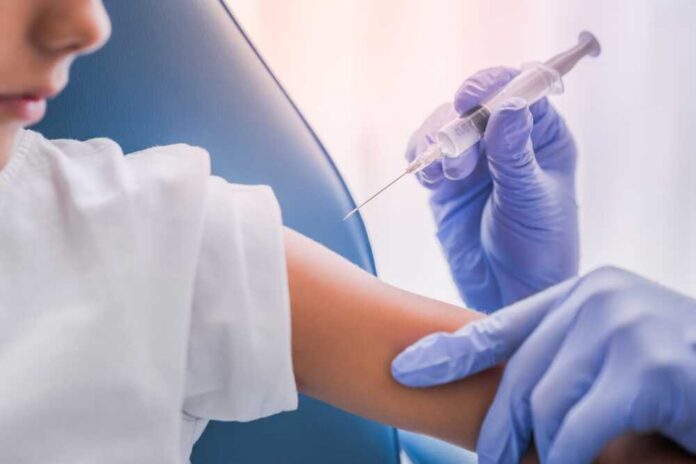
Newborns have low vitamin K levels at birth, which are essential for blood clotting and for preventing VKDB. Hospitals administer a single injection, standard since 1961, as recommended by the American Academy of Pediatrics.
This shot slashes VKDB risk, a rare but catastrophic condition causing uncontrolled bleeding. A meta-analysis of 25 studies confirms that infants without it have an 81-fold higher risk of brain bleeds.
Dr. Kate Semidey of Florida International University presented these findings at the 2026 American Academy of Neurology meeting. Oral alternatives exist but show poorer absorption per clinicians, heightening dangers.
Parents are refusing routine preventative care for newborns at rising rates, study finds https://t.co/oc3sDlAFAK
— CBS News (@CBSNews) March 22, 2026
Rising Refusals Signal Dangerous Trends
Refusal rates climbed from 0.9% in 2015 to 1.6% in 2019 in Minnesota, with national figures nearly doubling to 5.2% by 2024 per a JAMA study across 403 hospitals and 5 million births.
Birthing centers report the highest rates, often overlapping 90% with hepatitis B vaccine refusals. Social media spreads myths about preservatives and pain, despite the shot’s safety profile.
Over 50% of hospital staff note increased pushback. Dr. Tom Patterson, Idaho AAP president, highlighted 8 VKDB deaths in 13 months, calling it super worrisome and an unnecessary loss of young lives.
Devastating Health Impacts on Infants and Families
VKDB strikes without the shot, with 63% of cases involving hemorrhage, 40% long-term brain damage, developmental delays, and seizures, and 14% resulting in death. A Seattle toddler suffered stroke-like symptoms and lifelong needs after parental refusal.
Refusers show a 90-fold higher likelihood of skipping hepatitis B and eye ointment in the U.S. Broader hesitancy leads to 3.4% non-medical exemptions, with only 35-40% of parents intending to follow full vaccination schedules. This endangers conservative families valuing strong, healthy children over unproven natural trends.
Dr. Kristan Scott, the lead on the JAMA study, equates refusal to gamble with a child’s health. Dr. Kelly Wade notes that parents care deeply but face an overload of misinformation. Interventions push prenatal education to counter social media myths and preserve medical trust.
Policy Shifts and Calls for Parental Responsibility
A federal committee under RFK Jr. sought to reevaluate hepatitis B birth doses in late 2025, but was blocked by a judge in January 2026.
Such moves fuel skepticism crossing political lines, yet evidence overwhelmingly supports routine care. Internationally, rates hover at 1-3% in Canada and elsewhere.
With President Trump prioritizing American health and security, parents must reject anti-science fads eroding family protections. Strengthening education upholds individual liberty through informed choices, safeguarding the next generation from avoidable harm.
Sources:
It’s not just vaccines: Parents are refusing other routine preventive care for newborns (KSL)
Why a once-routine newborn shot is seeing rising refusals (SAN)
Across the US, childhood vaccination rates continue to decline (JHU)