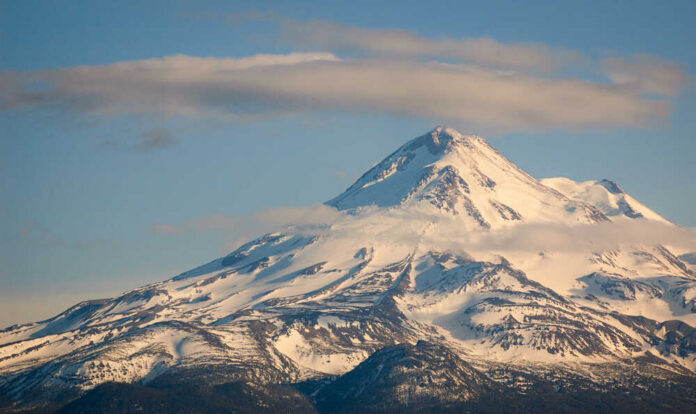
A 31-year-old novice climber fell 1,500 feet down Mount Shasta and somehow lived to tell the story.
Story Snapshot
- A three-person novice team climbed a serious mountaineering route with limited skills and planning.
- One woman slipped near 13,000 feet and slid about 1,500 vertical feet down steep snow in Avalanche Gulch.
- Clouds blocked the helicopter, forcing rescuers to fight the mountain on foot before the airlift.
- The fall fits a larger pattern on Mount Shasta: more rescues, repeated warnings, same avoidable mistakes.
A brutal fall on a famous peak that is not a simple hike
Mount Shasta looks peaceful from the highway, but on its upper slopes, there is nothing gentle about it.
The woman in this story was part of a group of three novice climbers trying to ascend the Left of Heart variation of the Avalanche Gulch route, a steep snow climb that gains roughly 7,000 vertical feet and demands crampons, an ice axe, and real snow skills.
Rangers say they were near 13,000 feet when she slipped and started sliding down the mountain.
Her fall carried her about 1,500 vertical feet, down to around 11,500 feet, before she finally stopped on the snow. That is not a stumble on a trail.
That distance is the length of four or five football fields, over hard, icy terrain where speeds can quickly reach levels that turn a human body into a projectile.
Avalanche Gulch has a long record of accidents like this, and Mount Shasta search and rescue reports show that slips and falls on snow and ice are the main cause of serious incidents on the peak.
How rescuers turned hours of risk into one successful airlift
Lead climbing ranger Nick Meyers was notified around noon by the Siskiyou County Sheriff’s Office search and rescue coordinator that a climber had taken this huge fall. Three United States Forest Service climbing rangers mobilized, working with California Highway Patrol air crews. At first, the plan was simple: fly in, hoist out.
Then the mountain reminded everyone who sets the rules. Low clouds moved in and blocked the helicopter from reaching the woman where she lay injured on the slope.
With the helicopter held back, one ranger had to push up the mountain on foot, carrying rescue gear into thin air and unstable snow.
Another climber from the woman’s group carried equipment, and a fourth, more experienced climber who happened to be nearby joined in to help. They found her awake, with a suspected broken ankle and other injuries, but still alert and in good spirits after that massive fall.
The team stabilized her, loaded her into a litter, and then lowered her down to Lake Helen, a high camp area that is just barely reachable by air in the right conditions.
Why Mount Shasta keeps sending the same hard warning
Around 5:30 p.m., with clouds finally lifting enough, a California Highway Patrol helicopter hoisted the woman from Lake Helen and flew her to Mercy Medical Center Mount Shasta for treatment. That timing matters. Hours of delay, shifting weather, and the thin safety margin for high-altitude helicopter work made this a close-run success.
United States Forest Service statements after the rescue were blunt: Mount Shasta is a high-altitude mountaineering environment, not a casual hike, and even experienced climbers face fast-changing weather, steep snow, and dangerous fall exposure.
Annual reports for the mountain show an average of about 20 search and rescue incidents a year, with many of them in Avalanche Gulch and many caused by slips on snow and ice. Local coverage has already documented a 700-foot fall earlier in 2026 on the same general route, also involving a novice team and poor decisions about timing and conditions.
Common sense says this pattern is not bad luck. When untrained climbers treat a serious route like a day hike, they push risk onto themselves and onto volunteers and officers who have to go rescue them.
Responsibility, risk, and the cost of ignoring clear guidance
United States Forest Service rangers and the Siskiyou County Sheriff’s search and rescue team keep repeating the same advice: carry proper mountaineering gear, learn how to use it, check conditions, climb with experienced partners, and have an emergency plan.
That is not “gatekeeping”; it is basic respect for a wild place and the people who will be called out when something goes wrong. On Mount Shasta, ignoring those rules does not just threaten one climber. It ties up helicopters, law enforcement, and volunteers who may then be unavailable for other emergencies.
Woman Survives 1,500-Foot Fall On Mt. Shasta | NewsRadio 560 WHYN https://t.co/E7f4dTw9Ka
— NewsRadio 560/98.9 FM WHYN (@WHYN560) July 2, 2026
Some online voices like to question fall distances or hint that officials exaggerate to scare people. In this case, the 1,500-foot figure comes from United States Forest Service climbing rangers and has been repeated consistently by major news outlets. There is no serious “Side B” evidence that disputes the core facts.
What we do have is a clear picture: a novice group on a demanding route, a huge fall, and a complex rescue that worked because skilled professionals risked their own safety to give someone a second chance. The mountain did not bend; the people adapted.
Sources:
abcnews.com, shastaavalanche.org, facebook.com, x.com, instagram.com, reddit.com