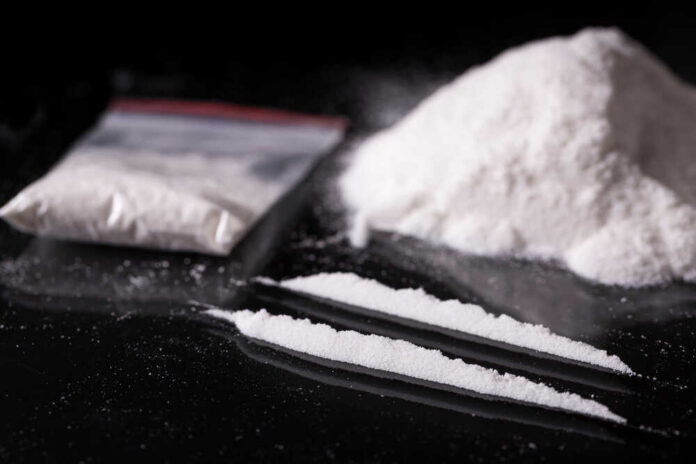
Prosecutors say a cocaine ring reached deep into two Penn State fraternities, with pledges cutting and bagging drugs while 14 people now face charges.
Story Snapshot
- Pennsylvania’s attorney general charged 14 people tied to an organized cocaine operation.
- Investigators link the ring to two Penn State fraternities and say pledges helped package drugs.
- Controlled buys, supplier trips, and fraternity-house sales form the core evidence, according to officials.
- Thirteen of the accused were Penn State students when the conduct occurred, per the state.
State Charges Center On Organized Fraternity-Based Distribution
Pennsylvania Attorney General Dave Sunday announced charges against 14 people after a grand jury probe into cocaine sales tied to Penn State social circles and two fraternity houses.
Officials allege fraternity brothers brought in large amounts of cocaine from source cities, cut it at off-campus houses, and sold it to students. The case cites controlled purchases, messages, and repeated supply runs as key proof. Authorities say this was not casual use; it was a business run through social networks.
13 Penn State frat bros busted in cocaine trafficking ring-including LI student at 'top of the food chain' https://t.co/NHYGRE1SHw pic.twitter.com/beiQCMOClg
— New York Post (@nypost) August 18, 2026
Investigators named two former students as main suppliers and described a steady flow of cocaine into State College. The attorney general’s office says pledges at one fraternity were told to cut and bag cocaine as part of their indoctrination, crossing a bright line between party culture and organized crime.
A local report aligns with the state’s account, describing the fraternities, the packaging methods, and the student-heavy customer base that fueled demand on campus and nearby housing.
How The Investigation Grew From Buys To A Grand Jury
Police and state agents used confidential informants to make multiple buys inside a fraternity setting, which helped map who supplied what and where the money flowed. After those buys, investigators widened the net to track trips to Philadelphia and New York for resupply, then followed the cut-and-bag steps back on campus.
A separate arrest months earlier showed how a single dealer’s takedown can reveal a wider web of contacts and roles within a campus market, according to grand jury reporting.
Local coverage details nearly 30 counts faced by one accused seller, including charges for possession with intent to deliver and related offenses tied to fraternity-house activity.
The attorney general’s announcement stresses that the alleged network used fraternity status to move product, recruit helpers, and shield transactions from outsiders. That fits a broader pattern where campus drug cases become enterprise cases once repeated buying, packaging, and wholesale supply appear in evidence.
What Authorities Say About Hazing And Culture
Prosecutors say some pledges were ordered to help package cocaine as part of joining a fraternity, blending criminal conduct with initiation culture. That framing echoes prior cases where misconduct inside Greek life drew both criminal and campus responses.
The alleged pledge involvement matters because it suggests an institutional channel for labor, not just a loose group of friends. When new members feel pressure to participate, accountability must include those who gave orders and profited from the scheme.
Thirteen former or current Penn State University students were criminally charged Monday on allegations they participated in a cocaine-trafficking ring that involved two fraternities, authorities said.
Read more: https://t.co/gX7nPkiDMs
— ABC News (@ABC) August 18, 2026
Penn State has a long history of public scrutiny around Greek life, even if the issues differ case to case. Administrators in the past have responded to grand jury findings with pledges to tighten oversight and demand safer cultures.
Universities must enforce bright lines, and law enforcement should keep pressing when social clubs become shields for crime.
Why This Case Resonates Beyond State College
Federal and state cases in other college towns show the same playbook: steady suppliers, fraternity houses as hubs, and controlled buys that crack the code. The North Carolina ring a few years ago involved multiple campuses and large volumes, which prosecutors said ran through fraternity links and encrypted chats.
The lesson holds in Pennsylvania. When authorities can show repeated sourcing, packaging, and sales tied to specific houses and roles, they treat it as organized trafficking, not teenage bad choices.
These charges are allegations, and each defendant is presumed innocent until proven guilty. The public stakes are still real. A campus market weakens safety and invites harder drugs, counterfeit pills, and violence.
Clear rules, real enforcement, and transparent consequences protect students who came for class, not cartels. If prosecutors prove their case, this will be a model of how to cut the fuse before a college-town drug trade becomes a regional pipeline.
Sources:
foxnews.com, pennlive.com, attorneygeneral.gov, cbsnews.com, psu.edu, wjactv.com