
Elon Musk’s “pet destroyers” jab at Waymo turned a dry safety fight into a gut-level test of trust on your street.
Story Snapshot
- Musk says Tesla screens new cities for hazards like risky rail crossings before robotaxi rollout.
- Waymo cites large-mileage data showing far fewer serious-injury crashes than human drivers.
- Animal collisions exist for both; one Austin cat death drew public scrutiny and sympathy.
- Federal crash reports vary by company and do not support easy apples-to-apples rankings.
What Musk Claimed And Why It Hit A Nerve
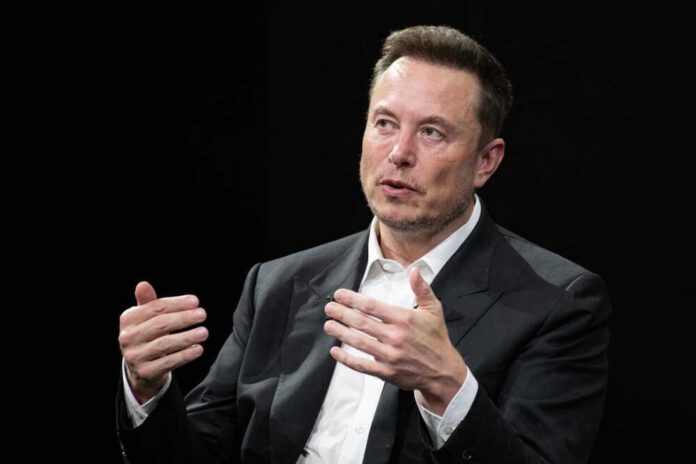
Musk framed the issue around what people love most. Pets are family, so he argued safety must include them. He said Tesla checks each new city for known danger spots before turning on robotaxis, and he called out railroad crossings as a special risk to plan around. That message speaks to control and prevention. It also throws shade at a rival without naming a specific case. The line stuck because it was simple, visual, and personal.
Waymo’s response did not trade insults. It leaned on data. The company says its fully autonomous service has cut serious-injury-or-worse crashes by more than ninety percent compared with humans in the same areas, based on a growing mileage base that now spans over hundreds of millions of driverless miles, and it has shared category breakdowns like airbags and injury crashes. That pitch aims to reassure with scale and consistency, not slogans.
The Animal Collision Flashpoint
Animal strikes draw strong emotion and quick judgments. An Austin case where a Waymo car struck and killed a cat prompted sorrow and questions from locals. Waymo said the vehicle braked but could not avoid the collision and offered condolences to the family. That kind of event is exactly why Musk’s phrase landed. Yet a fair view admits that animals can dart into traffic in ways even careful human drivers cannot always avoid.
Broader records show animal incidents for both companies. Media and federal filings noted cases of domestic and wild animals in the paths of driverless vehicles in several cities. The uncomfortable truth is that animal behavior adds chaos to the road. A wise standard weighs frequency, severity, and whether the system reacted in a way most trained humans would match or beat. One-off headlines do not equal a rate.
What The Comparable Safety Data Really Says
Waymo’s headline claim rests on exposure-adjusted comparisons to human drivers operating in the same cities over the same periods. The company reports large reductions in injury and serious-injury crashes and points to independent insurance analysis that found far fewer bodily-injury and property-damage claims over tens of millions of miles. Those figures do not prove perfection. They do show a clear direction that any skeptic should at least weigh.
Federal rules require crash submissions from automated systems, but they do not require miles or hours driven. That gap makes raw counts from different fleets hard to compare. The National Highway Traffic Safety Administration says data capture varies widely by company and system, which can skew how incidents appear in public files. A clean ranking needs consistent denominators and shared definitions. Until then, top-line comparisons invite spin.
How To Judge The Rival Approaches
Waymo builds around cameras, radar, light detection and ranging sensors, detailed maps, and remote help. Tesla centers on cameras and learned perception, and now emphasizes city-by-city hazard sweeps before expanding service areas. These are not small choices. Sensor diversity and mapped context can add redundancy; a camera-led stack can scale fast and improve with data. Voters and riders should ask which stack avoids severe harm most often across the same streets and hours.
ELON MUSK CALLS WAYMOS 'PET DESTROYERS' 🐾🤖@elonmusk is taking aim at robotaxi rival @Waymo, claiming its driverless cars "run over a lot of pets" while touting Tesla technology designed to detect animals — even gray kittens on gray pavement at night.
Waymo reported multiple…
— Erik Hoffmann (@TheErikHoffmann) October 13, 2026
From a conservative, common-sense view, the yardstick is simple: protect life first, prove it with transparent numbers, and respect local risk. Waymo brought large-mileage, exposure-based injury reductions. Tesla offered a tangible screening practice and a sharp message on care for pets. The strongest claims are those tied to comparable miles and severity outcomes, not the loudest quip. Hold both to the same bar: publish apples-to-apples rates, then expand only where results stay strong.
Sources:
foxbusiness.com, cbsnews.com, yahoo.com, govtech.com, techcrunch.com, businessinsider.com, ground.news, auto123.com