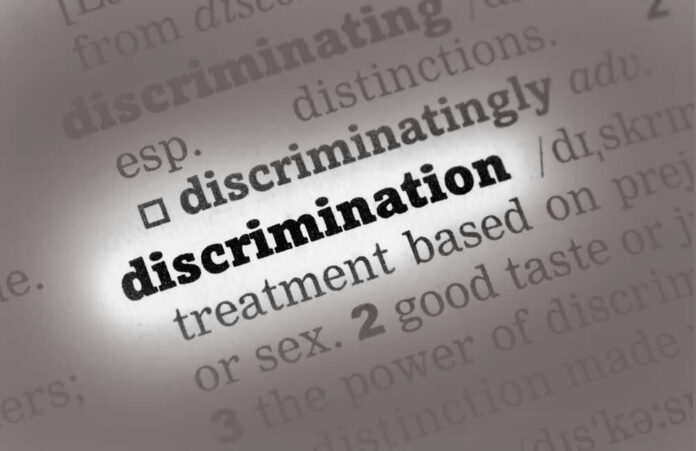
The Trump administration’s EEOC is taking Nike to federal court over allegations that the company’s diversity programs systematically discriminated against White employees in hiring, promotions, and layoffs—a landmark case that could dismantle corporate DEI initiatives across America.
Story Snapshot
- EEOC filed a subpoena enforcement action against Nike on February 4, 2026, investigating alleged reverse discrimination in diversity programs
- Nike’s 2021 DEI commitments tied executive compensation to achieving 35% minority representation targets, raising Title VII concerns
- Investigation initiated by EEOC Chair Andrea Lucas without employee complaints, based on Nike’s own public disclosures and proxy statements
- The case follows layoffs affecting over 2,300 workers since February 2024, with allegations that White employees were disproportionately targeted
- This marks the highest-profile test of corporate DEI practices under Trump’s civil rights enforcement priorities
EEOC Demands Full Disclosure on Race-Based Programs
The Equal Employment Opportunity Commission escalated its investigation by filing federal court action in Missouri to compel Nike’s compliance with a September 2025 subpoena. EEOC Chair Andrea Lucas initiated the probe in May 2024 through a commissioner’s charge—an unusual move that bypassed typical employee complaints.
The agency seeks comprehensive data on Nike’s racial demographics, layoff criteria, and race-restricted mentoring programs. Nike has submitted thousands of pages but EEOC deems the response incomplete, specifically requesting information on how diversity targets influenced hiring decisions, promotions, and workforce reductions that eliminated over 2,300 positions since early 2024.
Corporate DEI Goals Tied to Executive Pay Spark Legal Concerns
Nike publicly committed in 2021 to achieving 35% racial and ethnic minority representation in its U.S. corporate workforce and 30% at the director level or above by 2025. The company described these as binding “commitments” and linked them directly to executive compensation and accountability measures.
This approach, documented in proxy statements and executive remarks, formed the basis for EEOC’s investigation. Conservative legal group America First Legal, founded by Stephen Miller, urged the EEOC to examine these practices in a May 2024 letter.
The case underscores a fundamental tension: when diversity targets become quotas tied to financial incentives, they may violate Title VII’s prohibition on race-based employment decisions affecting all workers.
Trump Administration Shifts Civil Rights Enforcement Focus
EEOC Chair Lucas publicly called on White men to report workplace discrimination in December 2025, signaling the agency’s realignment under Trump administration priorities. This investigation represents a deliberate pivot from previous enforcement patterns that primarily focused on protecting minority groups.
Lucas emphasizes the agency’s commitment to impartial Title VII enforcement across all races, framing the Nike probe as essential to preventing systemic discrimination disguised as progressive policy.
The administration’s approach uses corporations’ own public commitments as evidence, transforming diversity disclosures into potential legal liabilities. This strategy sends a clear message to corporate America that race-conscious programs face heightened scrutiny when they create disparate treatment based on skin color.
The Equal Employment Opportunity Commission announced an investigation Wednesday into allegations that Nike discriminated against White employees and applicants in pursuit of the company's diversity targets. https://t.co/iiJBst2aaO
— The Washington Times (@WashTimes) February 5, 2026
Layoff Patterns and Workforce Reductions Under Investigation
Nike announced 775 job cuts at Tennessee and Mississippi distribution centers in January 2026 for automation purposes, following February 2024 layoffs affecting over 1,600 workers—approximately 2% of the workforce. EEOC alleges these reductions disproportionately targeted White employees, examining whether diversity commitments influenced termination decisions.
The agency demands detailed criteria used for selecting workers for layoffs, including any consideration of race or ethnicity in retention decisions.
Nike disputes characterizations of its workforce management, describing the EEOC’s court filing as a “surprising and unusual escalation” despite what the company claims is extensive good-faith cooperation providing thousands of documentation pages throughout the multi-month investigation process.
Nike’s diversity initiatives under EEOC scrutiny for alleged discrimination against White workers https://t.co/TTRS4LOqxa #FoxBusiness
— CallieBenson (@CallieforTrump) February 5, 2026
Broader Implications for Corporate America’s DEI Programs
This case follows EEOC’s November 2025 subpoena to Northwestern Mutual, establishing a pattern of scrutiny targeting race-based corporate initiatives. Employment law experts describe Nike as a “test case” that could reshape how companies approach diversity nationwide.
If EEOC finds discrimination, Nike’s race-specific targets and incentive structures could be invalidated, forcing corporations across industries to abandon numerical diversity goals tied to executive compensation.
The investigation’s outcome may determine whether companies can legally pursue demographic targets or must adopt race-neutral approaches to workforce development. For Americans frustrated with corporate virtue-signaling and reverse discrimination, this represents accountability for programs that prioritize identity over merit and equal treatment under the law.
Sources:
Nike faces EEOC probe over alleged discrimination against white employees – Axios
Nike faces federal probe over allegations of DEI-related discrimination against white workers – 6ABC
EEOC Takes Aim at Nike: A Test Case for Corporate DEI Under Trump – The Fashion Law
EEOC Files Subpoena Enforcement Action Against Nike – EEOC