
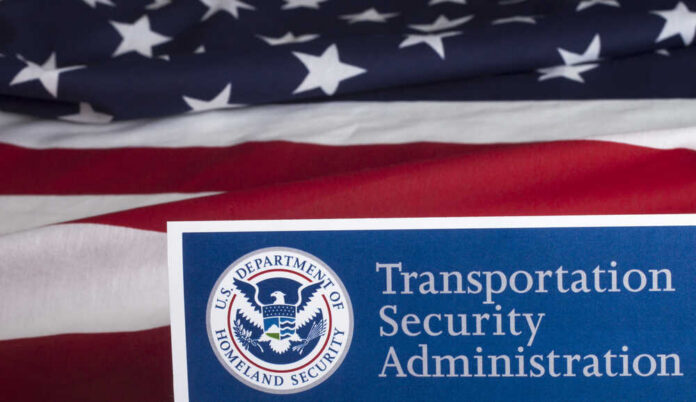
Democrats are holding up Homeland Security funding, and now 61,000 TSA officers are being ordered to keep America’s airports moving—without a paycheck.
Quick Take
- A DHS-only shutdown began at midnight Friday, February 13, 2026, forcing about 95% of TSA’s workforce to work unpaid.
- The funding fight is tied to Democrats demanding new limits on immigration enforcement tactics after a fatal Minneapolis shooting.
- FAA air traffic controllers remain funded, but TSA checkpoint staffing and morale can still drive major airport delays.
- Travel groups warn that disruptions can escalate quickly as missed pay fuels unscheduled absences and longer security lines.
DHS Funding Lapses, TSA Ordered to Keep Screening
Congress allowed Department of Homeland Security funding to expire at midnight on February 13, triggering a partial shutdown that hit DHS while leaving much of the rest of the government running.
About 61,000 Transportation Security Administration officers—roughly 95% of the TSA workforce—are considered essential and must continue screening passengers and bags nationwide. Early reports flagged increasing wait times at some airports as the shutdown coincided with heavy vacation travel.
TSA’s situation is different from air traffic control: FAA controllers are still paid, which reduces the risk of immediate, systemwide flight cancellations. The pressure point is the checkpoint itself—security lanes, baggage screening, and the basic rhythm of moving people safely into terminals. Industry experts have cautioned that long lines don’t always show up on day one, but they can build as fatigue, frustration, and staffing gaps mount.
Immigration Enforcement Demands Drive the Political Standoff
Democrats tied DHS funding to new restrictions on immigration enforcement operations after a fatal shooting incident in Minneapolis last month. The requested changes have been described as including items such as mandatory body cameras, warrant-related procedures, and limits involving masks for agents.
Republicans resisted those conditions, and the Trump White House has emphasized protecting front-line law enforcement, including ICE and Border Patrol, while keeping negotiations open.
The practical result is a funding impasse that treats DHS workers as leverage while lawmakers leave Washington. Reports indicated legislators departed for a planned 10-day break even as airport operations entered a peak travel window.
President Trump has publicly argued for defending immigration enforcement personnel as talks continue, while Democrats have maintained they will not back DHS funding without the added enforcement restrictions.
No clear path to ending the partial government shutdown as lawmakers dig in over DHS oversighthttps://t.co/rGtPT8s6B1 pic.twitter.com/lsLpS6UB9l
— The Washington Times (@WashTimes) February 15, 2026
What Travelers Will Notice First: Lines, Missed Flights, and Slower Bags
Airport impacts usually start with longer security lines, especially at large hubs and during holiday or school vacation weeks. Travel organizations warned that a shutdown can trigger more unscheduled absences, creating a compounding effect where fewer officers must process the same or higher passenger volumes.
Even when planes and pilots are ready, delayed screening can cause missed boarding times and cascading gate changes across the day.
Experts advising travelers have focused on practical steps: arrive earlier than normal, keep prohibited items out of bags, and expect screening to take longer if staffing thins. Airlines may respond by padding schedules or holding departures when screening backlogs spike, but they cannot fully “fix” a checkpoint bottleneck.
As a result, travelers can experience the real costs of Washington gridlock in the form of missed connections and disrupted plans.
Unpaid Essential Workers and the Risk of a Rapid Repeat of 2025
The shutdown revives memories of the previous 43-day funding lapse that ended November 12, 2025, when air travel disruptions intensified over time. The current episode is narrower—DHS-focused rather than government-wide—but TSA is again central because it cannot simply stop operating.
Acting DHS leadership has testified that most TSA employees are required to report even when pay is interrupted, raising obvious family-budget and morale concerns.
TSA agents are working without pay at U.S. airports due to another partial government shutdown. Sad but the democrats don’t care at all. https://t.co/zNmyu90YNk
— fred gotit (@gotit_fred) February 15, 2026
Other DHS components also face strain, including agencies tied to disaster response, maritime security, and cybersecurity, with thousands of employees either furloughed or working without immediate pay depending on mission needs.
If the shutdown drags on long enough for missed or reduced pay periods to hit in early-to-mid March, the risk of disruption rises. The core uncertainty is duration: sources describe growing impacts over days and weeks, not instant collapse.
Sources:
https://simpleflying.com/not-again-tsa-officers-unpaid-shutdown-spring-break/
https://www.foxnews.com/politics/heres-how-dhs-shutdown-could-impact-lives-everyday-americans