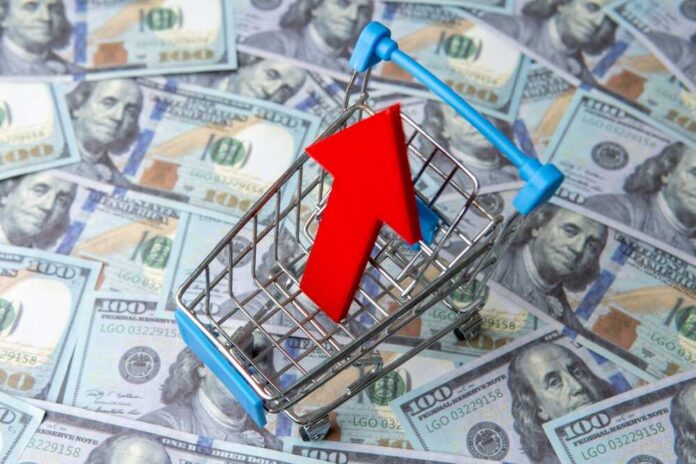
Shoppers are walking out of stores with lighter bags even as receipts keep climbing.
Story Snapshot
- Grocery volume fell while dollar sales rose on higher prices.
- Households are trading down, buying less, and cutting extras.
- Food-at-home inflation stayed hot on a yearly basis in May 2026.
- Manufacturers warn consumers look tapped out after years of hikes.
Fewer Items, Bigger Bills: The Core Shift
McKinsey reports grocery sales rose 1.2 percent in 2025, but volume fell 1.0 percent as prices climbed 2.2 percent. That single line explains the checkout shock. Households are paying more to take less home.
This gap pressures every link in the chain. Retailers see smaller baskets. Brands watch premium items stall. Shoppers pick store brands and walk past treats. This is not a blip; it is a behavior change born of price fatigue, not fickle taste.
Consumer Edge pegs overall grocery spend down roughly 3 percent year over year as buyers rethink where they shop. That shift shows up in store traffic and channel mix.
Discount grocers win trips. Supercenters grab fill-in runs. Online adds only when fees make sense. People compare prices, chase promotions, and build meals from cheaper staples. They do this week after week because it works. Any brand that ignores this new math will lose shelf space and loyalty.
U.S. grocery slowdown deepens as shoppers buy fewer items, raising pressure on food companies https://t.co/F1jS89oACL
— CNBC (@CNBC) July 16, 2026
What The Weekly Tape Says Right Now
Circana data shows total weekly food and beverage unit sales fell 0.9 percent for the week ending May 31, 2026, versus a year ago. That is the barcode reality. Units, not dollars, tell you what left the store. One week does not make a year, but it fits the trend.
When units sag while dollars inch up, price is doing all the work. That stresses promotion budgets, because discounts must now fight both price fatigue and shrinking impulse purchases.
The price backdrop still bites. The University of Michigan summary citing the U.S. Bureau of Labor Statistics shows food-at-home prices rose 2.7 percent year over year in May 2026, near April’s three-year high of 2.9 percent. Households live in the year-over-year world.
They remember what eggs and bread cost last spring. Even if month-to-month gains ease, the level is higher. That is why a cart that “looks normal” still feels expensive at the register.
How Shoppers Are Rewriting The Rules
McKinsey finds shoppers managing spend with precision: more trips, smaller baskets, fewer impulse buys, heavier use of promotions, and more private labels. CoBank adds that many are buying fewer groceries and cutting extras as higher food prices squeeze budgets.
This is classic trading down. Families stretch protein with beans and pasta. Snack packs give way to bulk bags. Name brands lose if they cannot prove value in the bowl or on the plate. Quality still matters, but price-to-portion wins the day.
Food makers now warn of a prolonged downturn as consumers look tapped out after years of hikes. That claim lines up with unit data and store behavior.
When paychecks lag grocery prices, families adjust fast and hard. Companies that bank on brand nostalgia instead of value will learn the wrong lesson. Companies that get sizes, pricing ladders, and promo cadence right will hold share without gutting margins.
The Pushback, The Nuance, And What Comes Next
Some measures show resilience. The U.S. Department of Agriculture’s Economic Research Service reports total food spending climbing in recent years, and intent to spend on groceries looks stable to modestly higher in some surveys.
Those points do not erase the volume story; they explain it. Dollars can rise while units fall when prices run ahead of wages. For policy talk, that gap is the scoreboard. For brands, it is the brief: make value obvious, or get swapped out.
Three moves can steady the cart. First, build clear value tiers so shoppers can trade within your brand, not out of it. Second, price pack architecture must match real meals, not old margin targets. Third, target promotions to refill the basket, not chase vanity share spikes.
The scoreboard to watch is unit velocity on core items. If that recovers while promo depth normalizes, the worst has passed. Until then, lighter bags will keep telling the truth.
Sources:
bls.gov, consumeredge.com, mckinsey.com, ers.usda.gov, ncoa.org