For the first time in four months, inflation actually retreated in June 2026 — and it beat every major forecast by a wide margin.
Story Snapshot
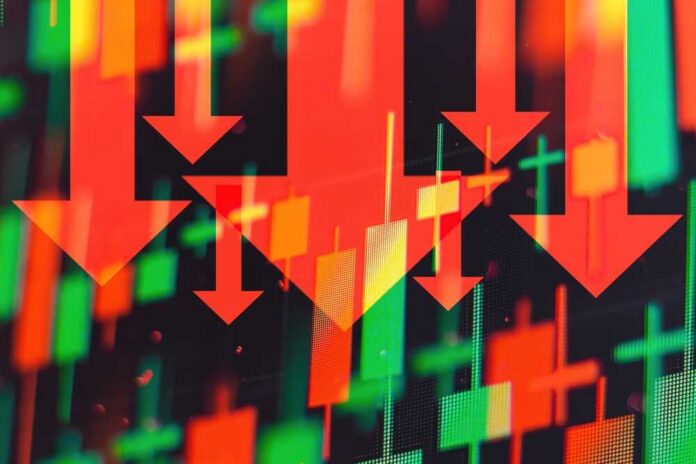
- Annual inflation dropped to 3.5% in June, down from 4.2% in May, beating the 3.8% forecast economists expected.
- Gas prices fell 9.7% in June alone — the steepest single-month drop since April 2020.
- Core inflation, which strips out food and energy, held flat at 2.6% annually, a sign that stubborn service costs haven’t fully let go.
- The Federal Reserve still faces pressure to raise rates, with Middle East conflict keeping energy markets on edge.
Inflation’s Sharpest Monthly Drop Since the Pandemic
The Consumer Price Index for All Urban Consumers fell 0.4% in June on a seasonally adjusted basis, according to the U.S. Bureau of Labor Statistics.
That follows a 0.5% increase in May. The swing is dramatic. Just one month earlier, inflation had hit its highest annual rate since April 2023, driven largely by oil market disruptions tied to the U.S.-Iran conflict. June’s reversal marks the first monthly decline since May 2020.
Inflation just delivered a bigger surprise than economists expected.
Consumer prices fell 0.4% in June, marking the largest monthly decline since the early months of the pandemic in 2020, while annual inflation slows to 3.5%.
Core inflation also came in below forecasts,… pic.twitter.com/4pV6PCV6L6
— FOX Business (@FoxBusiness) July 14, 2026
Gasoline prices led the retreat, tumbling 9.7% in a single month. Used car and truck prices also fell, adding more downward pressure. These two categories — gas and used vehicles — are among the most volatile in the entire Consumer Price Index.
They can spike fast when supply tightens and fall just as fast when the pressure eases. That’s exactly what happened here. Global oil markets calmed enough in June to pull pump prices sharply lower, giving American households a rare break at the gas station.
Why the Number Beat Every Major Forecast
Forecasters expected annual inflation to ease from 4.2% to around 3.8% in June. The actual reading came in at 3.5% — a full 0.3 percentage points below consensus. That gap matters.
It shows that even professional economists, armed with the best available data, underestimated how quickly energy prices would fall. It also tells you that the prior three months of acceleration — driven by oil shocks from the Iran war — reversed harder and faster than models predicted.
The Part of Inflation That Didn’t Cool
Here’s the catch that every household should understand. Core inflation — the measure that strips out food and energy — held steady at 2.6% annually and was flat month over month. Services like rent, healthcare, and insurance didn’t budge much.
This is the stubborn layer of inflation that gas prices can’t fix. History backs this up. In every major disinflation episode since the 1980s, goods prices fall first and fast, while services drag on for months or even years.
That dynamic is playing out again right now. The headline number looks encouraging. But the Federal Reserve watches core inflation closely, and a flat reading won’t give policymakers much reason to cut interest rates.
Reuters noted that the June report will likely offer little comfort to the Fed, especially with Middle East tensions still unresolved and energy markets still unpredictable. One good month of gas prices does not a victory make.
Where This Leaves American Families
Prices are still rising — just more slowly. A 3.5% annual rate means the things you buy today cost more than they did a year ago. The relief in June is real, but it’s built on a foundation of falling gas prices that could reverse quickly if oil markets tighten again.
The Iran conflict hasn’t ended. Supply disruptions remain a live risk. Families who felt squeezed by 4.2% inflation in May are not suddenly in the clear.
What June’s report does confirm is that inflation can move quickly in either direction when energy is the driver. The same force that pushed annual inflation from 3.8% in April to 4.2% in May pulled it back down to 3.5% in June.
That kind of volatility is exhausting for consumers and complicated for policymakers. The honest read is this: one strong report is a data point, not a trend. The path back to the Fed’s 2% target still runs through services inflation — and that road has never been short.
Sources:
apnews.com, bls.gov, reuters.com, usatoday.com, businessinsider.com, cnbc.com, ycharts.com, cepr.org