
Two Navy aviators punched out over dark water, four shipmates got hurt, and the carrier never stopped working.
Story Snapshot
- Two aviators from Carrier Air Wing 3 ejected near USS Dwight D. Eisenhower off Virginia.
- Four sailors aboard the carrier were injured during the recovery mishap, the Navy said.
- Search and rescue teams recovered the aviators quickly; both are safe, officials said.
- The Navy will route this through its formal mishap system before fuller details emerge.
What Happened On Deck And In The Sky
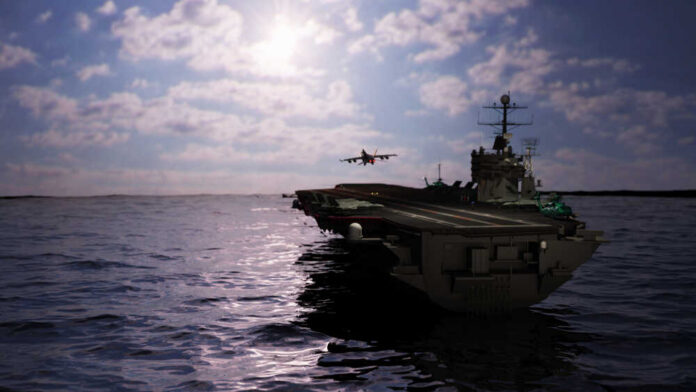
The U.S. Navy reported a mishap during aircraft recovery on USS Dwight D. Eisenhower at 6:18 p.m. Eastern time off Virginia. Two aviators from Carrier Air Wing 3 ejected from their aircraft and were recovered by search and rescue teams.
The Navy said four sailors on the ship were injured during the incident. The service released the basic facts through an official statement and brief press reporting soon followed, tracking the Navy’s account of the event.
2 US Navy aviators eject while landing plane on carrier off Virginia, 4 sailors injured https://t.co/CxxIhkN5qH pic.twitter.com/CSEUttaBQE
— New York Post (@nypost) September 29, 2026
Officials said the aviators were safe after recovery from the water. The ship treated injured sailors and moved at least one for care ashore, according to local coverage that cited Navy statements.
The Navy did not identify the aircraft type in initial releases, which is common when an investigation is pending. Early reports focused on time, place, unit, and immediate medical outcomes rather than causes or fault, which will come later if at all in public form.
Why Carrier Landings Are Unforgiving
Carrier landings demand precise flying, perfect timing, and tight teamwork on a crowded deck. Pilots descend at night, in wind and sea state, toward a small moving target. One wrong cue can force a go-around or, in rare cases, an ejection to save lives.
Deck crews work feet from spinning engines, arresting wires, and heavy gear. Even a short chain of errors can injure sailors nearby. That mix explains why the Navy treats these events as high-hazard operations every single day.
Ejection seats exist for moments like this and they did their job. The rescue force did, too. That outcome reflects training that assumes the worst and plans backward. Carriers drill recovery and medical response to make minutes count.
The ship stabilized the scene and cared for injured sailors as the air wing accounted for its crews. The immediate clarity from the Navy centered on safety, recovery, and treatment—exactly what families and taxpayers most need first.
How The Navy Handles Mishaps And What Comes Next
The Navy’s safety system pushes facts fast up the chain and into a formal process. Commands must report mishaps promptly to the Naval Safety Command and then file structured data and a safety investigation report.
That report analyzes human factors, maintenance, procedures, and environment. It aims to prevent the next accident, not stage a press show. Public detail at this stage stays lean by design while investigators do disciplined work.
Two U.S. Navy aviators ejected as they were landing their plane on the USS Dwight D. Eisenhower aircraft carrier off the coast of Virginia on Monday and four sailors aboard the vessel were injured in what the Navy characterized as a “mishap.”https://t.co/ZRxCbdLOwl
— ConflictLive (@conflict_live) September 29, 2026
Past releases show that formal findings often arrive months later and target practical fixes. The Navy recently published investigations from the USS Harry S. Truman strike group, which flagged communication, knowledge gaps, and training shortfalls across several incidents.
Those lessons mapped to specific actions. Expect a similar arc here: calm the scene, gather facts, protect privacy, fix what can be fixed, and publish what process allows without risking safety or sensitive tactics.
What To Watch Without The Noise
Look for updates on the sailors’ conditions and whether the aircraft suffered major damage. Watch for early safety advisories to the fleet that can spread fast even before a final report. The disciplined response so far fits the Navy’s standard playbook for mishaps.
The facts released align with common sense and with a force that treats flight deck risk as a daily reality and a shared duty. The system is not flashy, but it saves lives when seconds matter.
Sources:
apnews.com, x.com, wavy.com, navy.mil, safety.marines.mil, navalsafetycommand.navy.mil, stripes.com