King Charles III is coming to Washington—and his rare address to Congress will test whether America can still do serious diplomacy.
Story Snapshot
- King Charles III is scheduled for a three-day state visit to the United States in late April 2026, with a state dinner at the White House.
- The King is expected to address a joint meeting of Congress, the first time a British monarch has done so since Queen Elizabeth II in 1991.
- The House adjusted its schedule to ensure members are in session during the final week of April as planning firms up.
- Stops are expected to include New York City, but specific dates and a full itinerary have not been publicly confirmed.
A rare Congress address puts the “special relationship” on full display
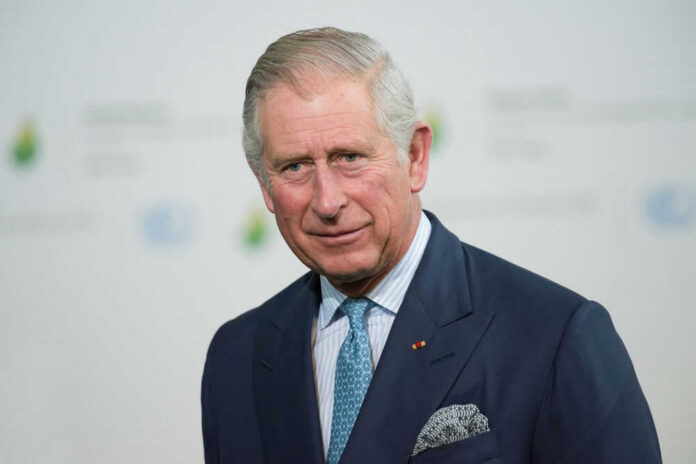
King Charles III is set to make his first U.S. state visit as reigning monarch in late April 2026, a three-day trip expected to include a White House state dinner hosted by President Donald Trump and First Lady Melania Trump, a stop in New York City, and a headline moment on Capitol Hill.
The planned joint address to Congress would be a historical outlier—only the second time in modern history a British monarch has spoken to American lawmakers.
King Charles will visit the U.S. in late April, Buckingham Palace said Tuesday, as Britain hopes to mend ties with President Donald Trump after the Iran war. https://t.co/WPAh3gkw3z pic.twitter.com/Z4ZWWLJPus
— NEWSMAX (@NEWSMAX) March 31, 2026
For Americans who prefer substance over spectacle, the core significance is straightforward: the United States and the United Kingdom are elevating the relationship publicly, at the highest ceremonial level, ahead of America’s 250th anniversary.
What’s confirmed—and what’s still not locked in
Multiple outlets report that the late-April window is real, but key specifics remain under development. The state dinner at the White House is confirmed, as is King Charles’s plan to deliver remarks to a joint meeting of Congress during the last week of April.
At the same time, reporting indicates no date and time for the Capitol Hill speech has been finalized publicly, and the White House is still expected to issue a formal announcement.
One concrete sign of serious planning is on the congressional side. Politico reported that the House schedule was adjusted to ensure members are in Washington during the final week of April, a change from a previously announced calendar.
That matters because joint meetings require coordination, security, and attendance commitments that cannot be improvised at the last minute. For taxpayers, it also underscores why clarity and transparency around official travel and security planning are critical.
Why this visit lands differently in Trump’s second term
The visit is unfolding under a second Trump administration that now owns the machinery of federal decision-making—protocol, security, and the diplomatic messaging that comes with them.
Reporting notes that Trump has previously met with King Charles during this second term, framing the trip as part of an ongoing relationship rather than a cold introduction.
For a conservative audience, that context matters because it shifts the focus from pageantry to leverage: what the U.S. signals, and what the U.S. expects.
Outlets covering the visit also place it alongside broader international security discussions involving British leadership, including U.S.-Israel dynamics and concerns about Iranian involvement in regional conflicts.
While the visit itself is ceremonial, state visits traditionally create space for side conversations that can influence future coordination.
The public does not yet have a detailed agenda beyond the confirmed events, so readers should be cautious about assuming specific policy outcomes until official statements provide more detail.
Tradition, sovereignty, and avoiding the “woke diplomacy” trap
For many Americans, respect for tradition does not mean surrendering sovereignty. A British monarch speaking in the U.S. Capitol is symbolically powerful precisely because it is rare and carefully bounded by America’s constitutional system.
Conservatives who are tired of “woke” messaging in institutions will watch whether leaders keep the focus on shared history, security cooperation, and national interest—rather than turning the moment into another lecture circuit on fashionable global talking points.
The historical comparison is clear in the reporting: Queen Elizabeth II addressed Congress in 1991, becoming the first British royal to do so, and King Charles’ planned remarks would be the first since then. That rarity is the point. It is not routine, and it is not supposed to be.
A joint meeting showcases Congress as a co-equal branch in America’s constitutional design—something voters increasingly want defended against unelected administrative power at home and pressure from international institutions abroad.
What to watch next as the White House formalizes details
Americans should expect a formal White House announcement that fills in the missing pieces: exact dates, security posture, and the order of events between Washington and New York City.
Until then, the best reporting indicates a late-April, three-day framework with a White House state dinner and a joint address to Congress.
If this trip is meant to highlight continuity between two long-standing allies, the administration’s next step is simple: provide specifics, keep the messaging disciplined, and avoid distractions.
For voters focused on kitchen-table issues, it is fair to ask what any major diplomatic moment means for peace, trade, and America’s posture abroad.
The available reporting does not yet provide policy deliverables, and no expert analysis is quoted in the research materials.
Still, the format itself sends a message: Washington is choosing a traditional ally and a constitutional setting—Congress, not a faceless global forum. In 2026, that distinction matters.
Sources:
King Charles III set for state visit to the US next month
King Charles to address Congress during historic first state visit to Washington
King Charles’ U.S. visit will include an address to Congress