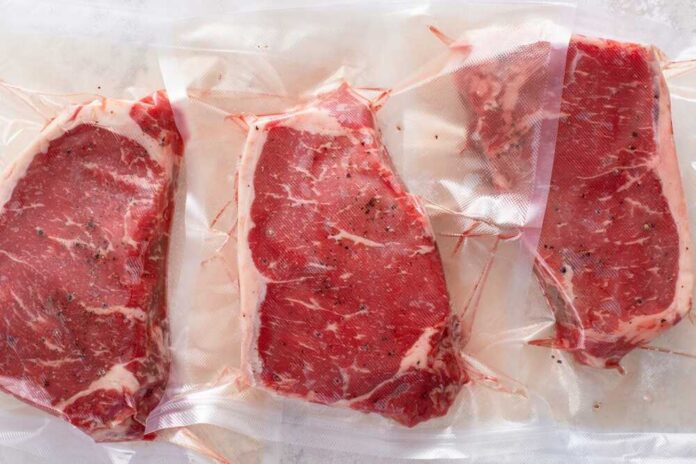
A Memorial Day cookout now exposes a hard truth: the same backyard menu can cost families very different amounts depending on where they live.
Quick Take
- The national average Memorial Day cookout for eight people comes in at $68.37, or $8.55 per person [1].
- Miami and Tampa sit at $84.54, while Indianapolis lands at $58.87 for the same basket [1].
- Food stress is already widespread, with about half of Americans saying grocery costs are a major source of stress [3].
- Core cookout staples such as ground beef, tomatoes, eggs, and cheese have all moved in different directions, squeezing planners from both ends [2].
The Real Price Of A Holiday Grill Out
The Memorial Day cookout has become a small economics lesson disguised as a family ritual. A simple shopping list for eight now costs $84.54 in Miami and $58.87 in Indianapolis, a gap of $25.67 that is large enough to change what people serve, what they skip, and whether they invite the extra cousin [1]. The national average sits at $68.37, but the average hides the local bite.
Hosting a Memorial Day cookout? Here's how much it could cost https://t.co/F0v4l16yYp
— FOX Business (@FoxBusiness) May 22, 2026
That matters because grocery pain is already part of the national mood. The Associated Press reported that about half of Americans say grocery costs are a major source of stress, and Pew Research Center found food costs rank among the most important factors in shopping decisions for most adults [3]. When a holiday meal becomes a budgeting exercise, families do not debate theory. They start replacing beef with chicken, or dropping the second round of burgers.
Why The Same Cookout Costs More In Some States
Florida and the West Coast carry a coastal premium, while the Midwest and Texas still offer the same cookout for under $65 [1]. That spread reflects more than just store pricing. Transportation, regional demand, and local retail conditions all shape the final bill. A family buying the same basket in a high-cost metro area can feel as if inflation has outgrown the national headlines, even when the countrywide average looks merely uncomfortable.
The cost pressure becomes easier to understand when the ingredients are broken apart. ABC News reported that ground beef was up about 15% year over year, tomatoes were up about 50%, lettuce rose about 7.5%, while potatoes fell 11% and eggs dropped 56% [2]. That mix creates the strange modern grocery experience: the burger patty gets more expensive, the potato salad gets cheaper, and the cookout planner has to become an amateur accountant.
What Families Actually Do When Prices Climb
LendingTree’s survey showed that 49% of Americans say food is at least somewhat difficult to afford, 52% say they are spending more on food than last year, and 86% say they have changed how they shop [1]. Those numbers line up with common-sense behavior. People watch prices more closely, trim splurge items, choose store brands, and waste less food. That is not panic buying. It is households adapting to a tighter margin.
The deeper point is that holiday shopping now sits inside a larger affordability squeeze. Pew says the cost of food at home has climbed 28.3% since January 2020, and food prices remain a central concern even when monthly inflation cools . The result is a familiar American contradiction: national statistics can look manageable while the checkout lane still feels punishing. Families do not experience inflation in spreadsheets. They experience it in receipts, one week at a time.
The Common Sense View Of The Cookout Crunch
The strongest reading of the data is not that every price increase proves a national emergency, but that ordinary households deserve honest recognition of how tight the squeeze has become. Americans should not be told that a food bill rising from “annoying” to “painful” is just a matter of attitude. Common sense starts with reality: wages, discipline, and local choices matter, but so do prices that keep climbing faster than comfort allows.
🚨 $8 for a dozen eggs — billionaire Ken Griffin calls inflation 'deeply triggering' for Americans
Despite CPI cooling, real grocery prices stay elevated, squeezing household budgets and consumer confidence.
Rate cuts while Main Street still bleeds? #Inflation #Fed #Economy pic.twitter.com/Z3rZkqmmun
— The Signal 📡 (@signal_daily_) May 24, 2026
That is why the Memorial Day cookout matters beyond the grill. It gives a visible, relatable snapshot of the broader cost-of-living debate. If a family in one city can host eight people for under $60 and another family needs more than $84 for the same menu, the national conversation has to move past abstractions. The real question is not whether Americans can still cookout. The question is how many have to cut back to do it.
Sources:
[1] Web – Half of Americans Struggle to Afford Food | LendingTree
[2] YouTube – Grocery prices stress Americans, poll shows rising worry
[3] Web – The vast majority of US adults are stressed about grocery costs, an …