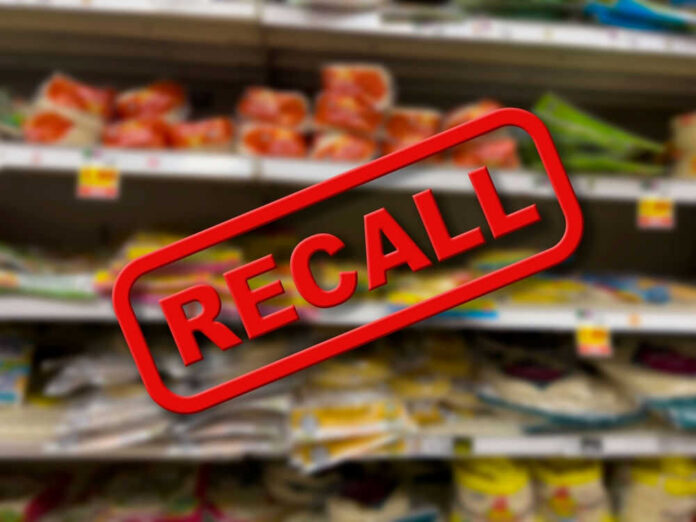
A cheap frozen pizza can become a nationwide warning because one overlooked ingredient can outpace every safety net meant to stop it.
Quick Take
- USDA’s FSIS issued a public health alert on April 30, 2026, tied to frozen pizzas sold at Walmart and Aldi over possible Salmonella exposure.
- The trigger wasn’t the meat topping itself; it was recalled dry milk powder, an FDA-regulated ingredient used in FSIS-regulated products.
- FSIS told consumers not to eat the affected products even if cooked, and to discard or return them; no illnesses had been reported at the time of coverage.
- Private-label supply chains put big retailers in the spotlight while third-party manufacturers and ingredient suppliers often stay largely invisible.
The recall that started with milk powder, not meat
FSIS’s April 30, 2026 public health alert landed on a familiar American dinner shortcut: frozen pizza. Walmart’s Great Value and Aldi’s Mama Cozzi’s labels drew attention because they sit in millions of freezers, especially for families trying to keep grocery bills under control.
The twist came from the root cause: recalled dry milk powder flagged for possible Salmonella contamination, then used as an ingredient inside products regulated by USDA.
This FDA-to-USDA handoff matters because it shows how modern food safety works in layers. FDA oversees many ingredients, while FSIS oversees meat and poultry products.
When a risky ingredient crosses that boundary, agencies have to coordinate fast, and the consumer ends up with a complicated instruction set: check lot codes, “best by” dates, and establishment numbers, then don’t eat the item even if you planned to cook it thoroughly.
Frozen pizzas sold at Walmart and Aldi are tied to a recall involving dry milk powder that could be contaminated with salmonella. https://t.co/9EYGRsz9YZ
— FOX6 News (@fox6now) May 5, 2026
What shoppers were told to do, and why “just cook it” didn’t make the cut
FSIS guidance boiled down to three actions: don’t consume, throw away or return, and clean anything that touched the product. The “even if cooked” language grabs attention because it clashes with kitchen common sense.
Cooking often kills bacteria, but agencies write warnings for real life, not textbook kitchens. Cross-contamination spreads fast—hands to handle, handle to counter, counter to salad—especially when people rush dinner.
The affected products included specific lot codes and “best by” windows reaching into late 2026, a detail that changes the scale of a recall. Long shelf life is great until it isn’t; a pizza bought months ago can still be sitting untouched in a back-of-freezer pile behind the ice cream.
That’s why these alerts keep resurfacing in waves: a consumer reads the headline, then suddenly remembers what’s buried under freezer frost.
Private-label power: Walmart and Aldi own the brand, not the factory
Walmart and Aldi succeed because they push prices down and simplify choices, often through private-label products made by third parties. That business model delivers value, but it also creates a transparency gap for consumers.
FSIS establishment numbers on packaging exist for traceability, yet most shoppers never notice them until a public alert forces a scavenger hunt.
Walmart publicly emphasized customer safety and said it pulled affected items and worked with the supplier to investigate. That response aligns with what big retailers must do when margins are thin but trust is everything.
A store can survive losing a pizza line for a week; it can’t survive customers believing the freezer aisle is a gamble. Aldi reportedly pulled items as well, though public-facing communication differed across outlets.
Salmonella’s real trick: surviving where you least expect it
Salmonella carries an ugly reputation because it thrives in ordinary routines. People associate it with raw chicken, but low-moisture foods and powders can also carry it, sometimes because the bacteria can persist in dry environments longer than most people assume.
Dry milk powder sounds harmless and shelf-stable; that’s exactly why it can slip quietly through a supply chain. Once incorporated into multi-ingredient foods, the contamination becomes harder to isolate.
No illnesses were reported in the coverage tied to this alert, and that’s not a small detail. Preventing sickness is the whole point of early alerts.
Still, “no illnesses yet” doesn’t mean “no risk,” especially for older adults, young children, pregnant women, and anyone with a compromised immune system.
How to check your freezer without turning dinner into a research project
Consumers don’t need a microscope; they need discipline. Start with the exact product name and size, then match the lot code and “best by” date.
If the pizza matches the alert, don’t negotiate with yourself about waste. Bag it, remove it from your kitchen, and sanitize the surfaces and utensils that touched the packaging or product.
If you already ate it, watch for symptoms and contact a healthcare provider if symptoms hit hard or linger.
Frozen pizza sold at Walmart, Aldi recalled over salmonella concerns https://t.co/oKtXzPWAmU
— FOX Business (@FoxBusiness) May 4, 2026
The bigger lesson sits above the freezer: modern convenience runs on long ingredient chains, and one contaminated input can ripple across multiple brands without anyone at the checkout counter knowing.
That’s why cross-agency coordination between FDA and FSIS matters, and why retailers have to move quickly even when no one is sick yet. The smartest outcome looks boring: people return a few pizzas, companies eat the loss, and nobody ends up in the hospital.
Sources:
Frozen pizza sold at Walmart, Aldi recalled over salmonella concerns
Recall alert: pizza sold at Walmart, Aldi recalled over salmonella concerns
Frozen pizza recalls: Walmart, Aldi salmonella